Got Dry Air? The Benefits of a Humidifier and Your Options

During the coldest months of the year, your furnace works overtime to keep your home warm and cozy. Pushing out heat has an unwelcome side effect, however: dry air. Around-the-clock heating drastically reduces indoor humidity levels which are not ideal for your health or comfort. Fortunately, you have options. Adding or installing a humidifier can help restore the balance of humidity in your home and improve your indoor air quality during winter.

Benefits of Using Humidifiers

There are a number of good reasons to be aware of your home’s humidity level and adjust it accordingly. According to the EPA, indoor humidity levels should ideally range between 30% to 50%. Why? 

First, your body needs this amount of humidity to function well. Dry air pulls moisture from your skin, leaving it itchy, flaky, and prone to irritation. It can also dry out your nasal passages and throat, making you more susceptible to colds, congestion, and sinus infections. Adding humidity to the air keeps your skin hydrated and your respiratory system functioning optimally.

Dry air also impairs your sleep. It can cause snoring or worsen existing sleep issues, because it irritates your nasal passages and throat, making it harder to breathe properly. 

Low humidity can cause wooden furniture, floors, and even musical instruments to crack or warp over time. It causes static electricity as well, leading to those annoying shocks you get when you walk across carpet. Static electricity also can cause damage to your electronic devices and even spark fires in very flammable environments. 

Finally, dry air feels cooler than humid air, which means your furnace has to run harder for you to feel warm, worsening the problem and costing your money. 

Your Options for Increasing Humidity in Your Home

If you want to increase the humidity in your home during the winter, you have a number of options available to you. These include:

Portable Humidifiers 

Portable humidifiers are standalone units designed to add moisture to the air in specific rooms. They come in various sizes, and they work well if you want to add humidity to a small area like a  bedroom or a home office. Portable humidifiers are affordable, mobile, and simple to use, but they do require you to refill them regularly as well as clean them to prevent the growth of mold and bacteria. They also have a limited range. If you have a larger home or many bedrooms, you will have to buy and run a number of humidifiers to create a comfortable environment to live, work, and sleep in. 

Central or Furnace Humidifiers

Central or whole-home furnace humidifiers are installed directly into your HVAC system and add moisture to the air as it circulates throughout your home. This results in consistent humidity levels throughout the house, and there is minimal maintenance required. 


There are several types of whole-home humidifiers. Bypass humidifiers use your HVAC system’s airflow to add moisture to the air. They connect to your furnace and utilize a water panel (or evaporative pad) to introduce humidity. Fan-powered humidifiers work similarly to bypass humidifiers but have a built-in fan to pull air through the humidifier’s water panel. This eliminates the need for bypass ductwork. Steam humidifiers heat water to create steam that is injected into the furnace airflow via the home’s ductwork.


Central humidifiers are more expensive, and they also require professional installation, but once they have been installed, they are hands-off for the homeowner, with a minimal amount of maintenance. 

Evaporative Humidifiers

Evaporative humidifier units use a fan to blow air over a wet wick or filter, releasing moisture into the air. These are the most common type of humidifying devices and are available as both portable and whole-home systems. The pros of this type of humidifier are that they are efficient and effective at maintaining humidity levels without over-humidifying. The drawback is that evaporative humidifiers have filters that need to be changed. 

Steam Humidifiers (Vaporizers)

Most people are familiar with vaporizers because they are a go-to for treating anyone who is sick or having trouble breathing, especially children. They work by boiling water to produce steam, which is then released into the air. Vaporizers are effective for adding large amounts of moisture to the air quickly, but they use more electricity than other types of humidifiers and can pose a burn risk if they are not handled properly. 

Ultrasonic Humidifiers

Finally, there are ultrasonic humidifiers that use ultrasonic vibrations to emit a fine mist of water droplets into the air. Many common aromatherapy devices use ultrasonic humidification. They are quiet to operate and energy efficient, but they also require distilled water to avoid releasing mineral particles into the air. These, like vaporizers, are typically smaller, portable units. 

How to Choose the Right Humidifier

When deciding on a humidifier, consider the following factors:

  • Size of Your Space: Portable humidifiers are suitable for individual rooms, while whole-home systems are ideal for larger spaces or entire houses.
  • Budget: Portable units are more budget-friendly upfront, but whole-home systems can save money on energy bills and maintenance in the long run.
  • Ease of Maintenance: The humidifier you choose should be easy to clean and maintain to avoid issues with mold and bacteria.
  • Additional Features: Some models come with features like built-in hygrometers (to measure humidity), adjustable settings, or even smart technology for remote control.

Stay Comfortable All Winter Long

If you would like a more permanent, whole-house solution to your dry-air problem, call us at Weinkauf Plumbing & Heating. We specialize in HVAC installation and maintenance in the greater Alpena and Oscoda and Tawas areas of Upper Michigan. Contact us today to learn more about how we can help you create a healthier, more comfortable home this winter!
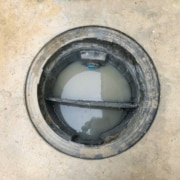
 

Winter Sewer Backups: Causes, Risks, and How to Stay Protected

When the weather turns cold in Northern Michigan, there are many things to look forward to: holiday cheer, cozy gatherings, and winter sports. Unfortunately, winter also brings with it many challenges too, including the possibility of sewer backups. These messy and often hazardous situations are more common during the colder months, and understanding their causes, signs, and risks can help you avoid this unhappy problem.

What Causes Sewer Backups in Winter?

Two of the main culprits for backups during this season are frozen sewer lines and increased water/sewer usage. When temperatures drop, sewer lines can freeze, creating blockages that prevent wastewater from flowing freely. Frozen pipes are especially common in poorly insulated or older sewer systems, where cold air seeps in and freezes water in the lines.

For many people, the holiday season also means hosting gatherings, cooking elaborate meals, and entertaining family and friends. This increase in household activity can put significant stress on your plumbing system, heightening the risk of clogs and backups in your sinks and toilets. Fats, oils, and grease from cooking those turkey and ham dinners can also harden in pipes, contributing to blockages.

Warning Signs of Sewer Problems

The earlier you catch a sewer problem, the better. Keep an eye (and nose!) out for these warning signs:

  • Slow draining fixtures: If your sinks, bathtubs, or toilets are draining slowly, it may indicate a blockage in your sewer line. 
  • Foul odors: Unpleasant smells coming from your drains can signal that wastewater isn’t flowing properly and is backing up.
  • Water backup: Water that backs up from drains or seeps into your home, particularly in basements, is a clear sign of a serious sewer problem. Don’t ignore it! Call us at Weinkauf Plumbing & Heating, and we will fix the problem right away. 

The Risks of Ignoring a Sewer Backup

A sewer backup is more than just an inconvenience—it’s a serious hazard that can pose significant risks to your health and property. Sewer water contains bacteria, viruses, and other pathogens that can contaminate your home and cause illnesses. Exposure to this wastewater can lead to infections, gastrointestinal problems, and other health concerns. Plus, it’s just nasty. You do not want a sewer backup when it’s frigid outside and the roads are hard to travel. 

When wastewater backs up into your home, it can cause extensive damage to flooring, walls, and personal belongings. The more wastewater, the more costly the repairs can become. It may even require professional remediation to remove contaminants and restore your home to its former condition. 

How to Prevent Sewer Problems This Winter

Prevention is the best way to avoid the stress and expense of dealing with a sewer backup. Here are a few steps you can take to protect your home:

  • Insulate your pipes: Proper insulation can help prevent pipes from freezing, reducing the risk of blockages.
  • Watch what goes down the drain: Avoid pouring fat, oil, and grease down the drain, as these substances can harden and clog pipes. Dispose of them in a sealed container instead.
  • Schedule a professional inspection: An inspection of your plumbing system can identify potential issues and ensure your sewer lines are in good shape before the holidays. Contact Weinkauf today if you have any concerns about your plumbing or your sewer system. 

What to Do If You Experience a Sewer Backup

If you do experience a sewer backup, act quickly. Shut off your water supply to prevent further damage, avoid contact with contaminated water, and contact us right away. We’re available in Alpena and Oscoda counties and the surrounding areas to help Northern Michiganders stay safe and comfortable all winter long. Our experienced team can handle sewer backups efficiently, minimizing damage and restoring your peace of mind. Don’t wait until the problem worsens. Stay warm, stay safe, and enjoy a worry-free holiday season!


5 Signs You Have Furnace Problems: Don’t Wait Until It’s Too Late!

As winter approaches in Michigan, your furnace becomes one of the most important appliances in your home. Unfortunately, like any piece of machinery, furnaces do not last forever. Catching furnace problems early can help you prevent costly repairs, improve your home’s energy efficiency, and make sure that you and your family stay warm when it gets icy cold outside. Here are five telltale signs that your furnace might be in trouble.

Furnace Problems to Watch For

Strange Noises: Banging, Squealing, or Rattling

A well maintained furnace is generally very quiet during operation. Unusual or loud sounds signal that there’s a problem. Banging noises might indicate an ignitor delay, often caused by a dirty burner or gas buildup, which can be dangerous. Squealing noises could mean issues with the blower motor or a loose fan belt, while rattling noises may mean that your furnace has loose panels or a failing motor. Ignoring these sounds could lead to larger issues, so it’s best to contact Weinkauf as soon as you notice them.

Uneven Heating Throughout the Home

Are some areas in your home noticeably colder than others? Uneven heating is a common issue with aging or faulty furnaces. This can be caused by a variety of issues, such as clogged ducts, a malfunctioning thermostat, or a furnace that’s too small for your home. If your furnace has to work harder to try to maintain a consistent temperature, you’ve got a two-pronged problem. It’s costing you money and comfort.

Increasing Energy Bills Without Explanation

If you’ve noticed that your energy bills are increasing even though you haven’t touched the thermostat, this could be due to an inefficient furnace. When a furnace starts to wear down, it has to work harder to heat your home, which leads to increased energy consumption. The causes might range from a dirty filter to issues with the blower motor, or a furnace that’s simply reaching the end of its lifespan. The average lifespan of a furnace is 15 to 20 years, although with good care and consistent maintenance, yours may last longer. 

The good news is that newer furnaces are designed for fuel efficiency and will save you money in the long run once installed. 

Frequent Cycling On and Off

Furnaces are designed to cycle on and off to maintain the desired temperature, but if you notice that yours is cycling frequently, there could be an underlying problem. Short cycling can be caused by a clogged air filter, an oversized furnace, or a malfunctioning thermostat. Obviously, this is hard on the furnace. Our professional HVAC technicians can diagnose the issue and help get your furnace back on track.

Yellow Pilot Light

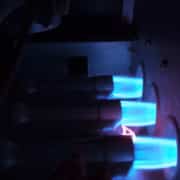
A properly functioning furnace should have a blue pilot light. If you notice the light has turned yellow, this could be a sign of incomplete combustion, often caused by a carbon monoxide leak. Carbon monoxide is a colorless, odorless gas that can be dangerous when inhaled, so it’s important to address this issue immediately. A yellow pilot light could also indicate problems with the burner, such as dirt buildup or an incorrect air-to-fuel ratio. Either way, if you see a yellow flame, it’s time to call for an inspection.

When to Call Weinkauf Plumbing & Heating

If you’re in the Alpena or Oscoda, Michigan area and are experiencing any of these furnace issues, it’s a good idea to call Weinkauf right away. We will send a certified HVAC technician out to inspect your furnace and take care of any problems you are experiencing. From routine maintenance to emergency repairs, our team has the skills and expertise to handle any HVAC or plumbing problem. Don’t wait until Michigan’s next polar vortex and cross your fingers – contact us today to schedule your furnace inspection


Winterizing Your Home: Essential HVAC and Plumbing Tips

Fall is a gorgeous season in northern Michigan, but, as we all know, after fall comes winter – which can be much more challenging. If you want to be comfortable this winter, and protect your home from damage and your pocketbook from high utility bills, now is the time to prepare. Properly winterizing your home can also help prevent unexpected breakdowns or costly repairs. Here’s how to effectively winterize your property and keep your furnace and plumbing running smoothly throughout the colder months in Michigan.

Steps to Take to Winterize Your Home 

HVAC

Let’s start with your HVAC system, since that is what will keep you and your family warm when it’s frigid outdoors. To keep it operating at peak efficiency, you should: 

Schedule a Furnace Tune-Up: Before the cold sets in, have Weinkauf Plumbing & Heating inspect and clean your furnace. We will check for leaks, lubricate parts, and ensure that your  system is in tip-top shape.

Replace Your Furnace Filters: Dirty filters make your furnace work harder and lower your home’s air quality. Regularly change your furnace filters at least 4 times a year for optimal airflow and efficiency. If you have pets or a respiratory condition, consider replacing your filters more frequently – otherwise the pet hair and dander can have a negative effect on your HVAC system and lungs. 

Check Your Thermostat’s Settings: Consider upgrading to a programmable thermostat to save on energy costs. You can easily set your thermostat to a lower temperature when you’re away or asleep and warm up the house when you wake up or return home.

Insulation

Heating and insulating are complementary steps in winterizing your home. Proper insulation is key to keeping it comfortable and reducing strain on your HVAC system. To do this you should check for drafts around your windows and doors and use weatherstripping or caulk to seal any gaps. 

Also check your attic insulation. A well-insulated attic can prevent heat loss and reduce your heating bill. If your current insulation is not at the recommended level, consider adding more. Northern Michigan has a Cold Humid (6A) climate. See the attic insulation recommendations below (from Energy Star) for guidance. 

insulation requirements

Image courtesy of Energy Star

Plumbing 

Frozen pipes are a common problem during winter, and they can lead to major damage if they break. Here are ways to prevent freezing pipes:

  • Keep the Heat On: If you’re away from home, keep your home heated to at least 55°F to prevent pipes from freezing.
  • Let Faucets Drip: On particularly cold nights, let cold water drip from faucets connected to exposed pipes. The water flow helps prevent freezing.
  • Disconnect Outdoor Hoses: Drain and store outdoor hoses in the fall, and shut off water to outdoor faucets to prevent freezing in the pipes.
  • Insulate Pipes: Protect your plumbing by insulating exposed pipes in attics, basements, or crawl spaces. This will reduce the risk of freezing and bursting during cold snaps.

Your water heater works harder in the winter to deliver hot water, so it’s important that it’s ready for the job. The ideal temperature for your water heater is around 120°F to balance both comfort and energy efficiency. If your water heater is located in a colder area of your home, like your garage or basement, consider insulating the tank to reduce heat loss.

Sediment buildup can reduce efficiency, so flush the tank to remove any debris. If you’re unsure how to do this or want to avoid the hassle, call us at Weinkauf, and one of our professional technicians will promptly take care of it for you. 

Ventilation and Airflow

Maintaining proper airflow is crucial for a safe and efficient HVAC system during winter. For safer and more even heating, clear your air vents from blockages like furniture or curtains. Outside, snow, ice, or debris can block your HVAC system’s exhaust vents. Make sure these vents remain clear to prevent carbon monoxide buildup.

Along with ensuring proper ventilation, test your carbon monoxide detectors and replace the batteries before the winter season begins. While you’re at it, change the batteries in your smoke detectors as well. An ounce of prevention is worth a pound of cure. 

Humidity

Michigan is humid, but running your furnace for months on end will suck the moisture out of your air, making your home dry and uncomfortable. Adding a whole-home humidifier will maintain proper humidity levels and improve your comfort and your health during winter.

Protect Your Home and Your Health

Winterizing your home is about more than just comfort – it’s about protecting your investment in your home by preventing costly HVAC and plumbing repairs. By following the above tips, you can prepare your home for the cold weather ahead. If you’d like to schedule a furnace tune-up or consult with a professional about adding a humidifier to your furnace, contact Weinkauf today. We would be happy to inspect your systems, address any concerns, and ensure everything is functioning optimally before winter hits.


How Hard Water Affects Your Plumbing

Michigan has water that is considered moderately hard to hard, depending on location. Unfortunately, hard water has impacts on your home’s plumbing, fixtures, and appliances over time, causing problems like pipe corrosion and low water pressure. In this blog piece we will talk about those impacts and offer solutions that homeowners can implement to help mitigate potential damage and save on their home maintenance costs.

What Is Hard Water? 

Hard water is water that contains high levels of minerals, primarily calcium and magnesium. While it’s not harmful to health, those minerals can build up over time in pipes, hot water heaters, and other fixtures in your home and cause problems over time. 

How Hard is the Water in Alpena, Michigan? 

Water hardness is measured in grains per gallon (gpg), where one grain equals 0.002 ounces of calcium carbonate dissolved in one gallon of water. Anything over 7.5 gpg is considered hard water. Hardness can also be measured in parts per million (ppm), with 120 ppm officially qualifying as hard water. According to the City of Alpena’s 2023 Water Quality Report, the average result for CaCO3 in Alpena is 112. This moderately hard water will have a number of impacts in your home. 

Clogged and Corroded Pipes

The first impact is mineral buildup and pipe blockages. Hard water causes mineral deposits, known as limescale, to accumulate inside pipes. Over time, this buildup narrows the diameter of the pipes. This reduction impedes water flow and increases pressure on your plumbing system. You may experience low water pressure or even a complete blockage as a result. 

Mineral buildup can also lead to corrosion of metal pipes, especially if the water is also acidic. This has two potential effects, both of them negative. Corroded pipes can weaken and break, requiring costly repairs or replacement. Additionally, if these pipes have lead content, that lead can leach into the water supply. Lead is very bad for human and animal health. Lead pipes are more likely to be found in older cities and homes built before 1986.

Stained Fixtures and Leaky Faucets

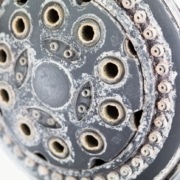
One way that hard water makes itself known is that it often leaves white, chalky stains on faucets, showerheads, and sinks. These stains are caused by calcium deposits. They look messy and can be difficult to remove. 

Minerals from hard water can also deposit themselves in faucets and showerheads, reducing water flow and efficiency. Hard water can also deteriorate rubber seals and valves in fixtures, leading to leaks that waste water and increase your utility bills.

Damaged Appliances

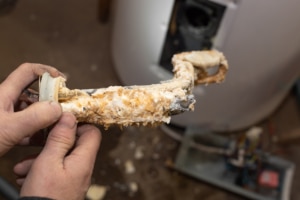
hard water deposits on a heating element coilYour appliances will also suffer from exposure to hard water. Limescale buildup inside water heaters can reduce their efficiency by creating an insulating layer that forces the heater to work harder to deliver hot water. This not only increases your energy bills, it also shortens the lifespan of your water heater.
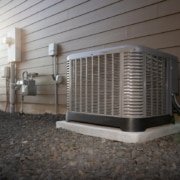
Hard water also will leave mineral deposits on heating elements, in hoses, and on internal components of dishwashers and washing machines. This can lead to reduced performance, longer cycle times, and more frequent breakdowns. Any appliance that supplies or uses hard water can become clogged. This includes refrigerators and coffee makers too. 

How To Solve Hard Water Issues in Your Home

Fortunately, there are a number of solutions to the problems hard water creates. These include: 

Installing a water softener – A water softening system uses ion exchange to remove calcium and magnesium from the water, replacing them with sodium or potassium ions. This process prevents limescale buildup and protects plumbing and appliances.

Using descaling agents in appliances – Regular use of descaling agents in appliances like dishwashers, washing machines, and coffee makers can help remove mineral buildup and keep them running well.

Regular plumbing maintenance – Weinkauf Plumbing & Heating can help identify and remove limescale buildup inside your pipes before it becomes a major issue for your plumbing. Flushing the plumbing system periodically can also reduce mineral accumulation.

Soaking fixtures in vinegar – Vinegar can help dissolve and remove hard water stains and buildup, keeping faucets and showerheads clean and functioning properly.

Upgrading your fixtures – There are fixtures specifically designed to resist limescale buildup, and some faucets and showerheads come with features that make them easier to clean or with anti-limescale materials.

Hard water can be a problem for homeowners, but with the right maintenance and the addition of a water softener, you can protect your plumbing system and appliances and enhance your water quality. If you would like to talk to a professional about your hard water issues, contact us at Weinkauf Plumbing & Heating. We would be happy to inspect your plumbing and appliances and make recommendations on how best to solve any problems you are experiencing. 


How To Maximize Your Air Conditioning in the Summer

How much of your energy bill is used to heat or cool your home? Do you know? The U.S. Department of Energy reports that heating and cooling account for approximately half of the typical home’s energy usage. That percentage is even higher when temperatures fluctuate above or below the norm for summer or winter. When energy prices are already high, you need your HVAC system to operate as efficiently as possible. Since we are in the hottest part of the year now, here are some practical ways to help you get the most out of your air conditioning. 

Tips to Maximize Your Air Conditioning System

Schedule Regular Maintenance

If your HVAC system is not regularly checked and maintained, it’s much less likely to meet top performance standards. Annual professional check-ups can prevent issues and ensure your air conditioning works well when you need it to. If you do notice an issue, you should contact Weinkauf right away. Otherwise your air conditioning system will struggle to cool your home, using far more energy to meet minimum standards of cooling. 

AC maintenance typically involves cleaning components, performing repairs, and refilling the refrigerant. Grime and dirt on parts like the evaporator coil can diminish the system’s performance, while proper care will extend the life of your equipment. 

Weinkauf offers a number of maintenance plans to ensure that your home’s heating, ventilation, and air conditioning (HVAC) systems remain in top-notch condition.

Replace Your Filters

Your HVAC system has to work harder to push air through a dirty filter. Over time, this may result in system failure and additional, unnecessary repairs. Also, a dirty filter can also be a breeding ground for bacteria, dust mites, and mold, creating an unhealthy atmosphere to live or work in. 

For an HVAC unit that sees nearly year-round use, you should change your air filter at least every three months – more often if you have pets or your system is working around the clock to heat or cool. 

Use a Programmable Thermostat

Many HVAC professionals recommend setting the thermostat to 78 degrees to balance your comfort and your energy use. To save more energy, you can raise the thermostat settings to about 80 degrees when you’re away on vacation or at work. You can also set different temperatures in the morning and night when you sleep. The best and easiest way to manage this use is with a programmable thermostat.

maximize your air conditioning

Address Airflow Problems 

If your vents are blocked by furniture or other objects, this interrupts your airflow and forces your HVAC system to work harder to cool. Inside the house, clear away anything that obstructs your vents and vacuum them regularly. Outside your home, you should also remove anything around your AC unit and make sure that it is not clogged with sticks, leaves, or other vegetation. You can also shade your AC unit from direct sunlight to improve its efficiency. 

Check for Air Leaks 

Sometimes the issue is not with your air conditioner but with air leaks. If your home is inadequately insulated or there are leaks in your ductwork or around your doors and windows, your HVAC system will have a tougher job cooling it. Ask Weinkauf about an energy audit if you would like to pinpoint spaces with inadequate insulation or are worried about air leaks in your home. We can find any problematic areas that need upgrading or sealing. 

Add a Ductless Mini-Split System to Hard-To-Cool Areas

Zoning hard-to-cool areas in your home may be a more efficient way to cool them than running your HVAC system more often. Zones are independent areas that are regulated separately. They can be cooled efficiently with a ductless mini-split air conditioner. A ductless system does not require ductwork to transfer heat energy across larger spaces and is often the best way to extend air conditioning to an extra room in your home.

Prevent the Buildup of Ambient Heat

You can keep your rooms cooler by effectively managing ambient heat in your home. During sunny periods, close the curtains or shades. Using ceiling fans can help distribute cool air more evenly, reducing the strain on your air conditioner. 

Use a Dehumidifier

Michigan has an average relative humidity of 72.1%. When it’s hot outside, the moisture in the air only makes it feel hotter. Turning down your thermostat only overworks your equipment, but adding a dehumidifier can reduce utility bills and enhance indoor comfort during the muggy days of summer. It can also prevent moisture damage to your furnishings and other valuables.

Take Practical Steps to Get More Out of Your Air Conditioner

In the summer your air conditioning is what keeps your family comfortable. Keeping your HVAC system running efficiently is a must for staying cool and keeping your energy costs down. By following the above tips, you can enjoy a comfortable and cost-effective summer. If you ever have any concerns about the functionality of your HVAC or would like to discuss adding features that would make it more effective at cooling, call us at Weinkauf Plumbing & Heating. We are always ready to help! 


Too Humid Inside? Add a Dehumidifier to Your HVAC System

We are surrounded by water in Michigan. We have the Great Lakes and 11,000 inland lakes to choose from if we want to spend time fishing, swimming, boating, or water skiing. In fact, Michigan’s very first license plate slogan, used from 1954 to 1964, was Water Wonderland. High humidity is a result of those same water resources. Unfortunately, that’s not as enjoyable. It’s not only unpleasant, it can also cause problems in your home. If you’ve found yourself saying, “It’s not the heat, it’s the humidity,” indoors, one solution is adding a dehumidifier to your HVAC system. 

What Does a Dehumidifier Do?

A dehumidifier is an appliance that removes excess moisture from the air. Many of us use portable dehumidifiers in areas of our homes like the basement because they are prone to damp. Dehumidifiers pull in humid air. This air condenses on an evaporator coil and is directed away from the unit and into a container or a drain, and a fan blows the treated air out of the unit. 

A whole-house dehumidifier operates the same way, but it removes humidity from the entire house. Adding a dehumidifier to your HVAC system can significantly enhance indoor comfort and air quality, but, as with everything, there are some pros and cons to weigh.

The Pros 

The first and most noticeable benefit is improved comfort. Because dehumidifiers reduce excess moisture, your home will feel cooler and more comfortable during the hot, humid months. Your dehumidifier will keep humidity levels below 50%. Ideal indoor humidity falls in the range of 30 to 50%.

A dehumidifier will use energy, but it will make your HVAC system more efficient too. When humidity levels are controlled, your HVAC system doesn’t have to work as hard to cool your home. Dehumidifiers use only a fraction of the power that an air conditioning compressor does, so it’s better to install one than to continuously keep your air on a lower temperature. This increased energy efficiency is good for your pocketbook and the environment. 

Drier air is also a less fertile environment for dust mites, allergens, and fleas. Your indoor air quality will be better, you will breathe easier, and you will have to worry less about your pets. Lower humidity levels help prevent mold and mildew growth, protecting your home and health.

Finally, removing moisture from the air helps safeguard your home and its contents. Installing a dehumidifier helps protect wooden furniture, flooring, art, clothing, and other household items from warping, mildew, or other damage.

The Cons

Unfortunately, installing a whole-house dehumidifier has a price tag, with the cost of the unit and installation. This type of dehumidifier must be professionally installed to ensure a proper connection to your home’s ductwork. 

Dehumidifiers also require regular maintenance like changing filters and emptying and cleaning water reservoirs in order to function effectively and avoid bacterial growth. Depending on your HVAC system setup, adding a dehumidifier may require additional space as well, which could be an issue in smaller homes.

A whole-house dehumidifier is not something that can be uninstalled and moved to a new house if you decide to sell someday because it’s affixed to the HVAC system. However, a whole-house dehumidifier might increase your home’s value, so that’s a positive. 

Should You Install a Dehumidifier?

A whole-house dehumidifier isn’t necessary for every house, but it’s an excellent solution for a home with high humidity. It’s also wise to consider why your home is so moist. There may be a specific issue, like a plumbing leak, causing the problem. If that is the case, a plumber is the solution to avoid permanent damage to your home. 

If you have questions about your home’s humidity, consulting with the HVAC professionals at Weinkauf Plumbing & Heating can help you make an informed decision. We are alway ready to help with either HVAC or plumbing problems, so give us a call today


Planning a Remodel? Visit Our Showroom!

Planning a remodel of your kitchen or bathroom space is a very exciting project! There are so many possibilities for these spaces that you use every day. However, without the right guidance and expertise, it can also be an overwhelming task, and you might make mistakes. One of the key aspects of a successful remodel is choosing the right fixtures and systems for your plumbing needs. Here’s why visiting our showroom at Weinkauf Plumbing & Heating should be a part of your planning process. 

Take Advantage of Our Experience and Expertise

By involving Weinkauf Plumbing & Heating, you’ll benefit from the more than six decades of experience we have in the plumbing industry. Our team of experts can guide you through the selection process, ensuring you choose the best products for your home. We’ve installed it all, and we can advise you on which products may work best for your lifestyle. 

A Wide Range of Products

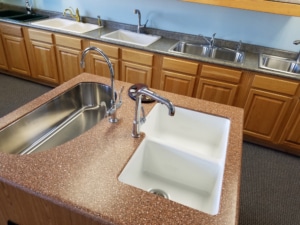
Our showroom offers a comprehensive range of plumbing products, including fixtures, faucets, toilets, sinks, and showers, as well as vanity tops with molded sinks. You can examine and feel the quality of these products before making your decisions. Take pictures and then do more research before you decide. You’ll be using these products on a daily basis for years, so making the right choices now will really pay off over time.

Personalized Guidance

In our showroom, our knowledgeable staff can give you personalized advice tailored to your specific needs and preferences. Whether you’re looking for energy-efficient options or stylish fixtures to complement your interior design, our staff can help you find the perfect solutions for your budget.

Visualizing Your Remodel

showroom sinks

Seeing cabinets, vanities, and shower products in person will help you better visualize how they will look and function in your home. This can help prevent costly mistakes and ensure that everything fits seamlessly into your remodel plan.

Trusted Brands

Weinkauf Plumbing & Heating only carries products from trusted brands known for their reliability and durability. This means you can have peace of mind knowing that your new plumbing fixtures will continue to work well for you and your family for years to come. 

Incorporate a Showroom Visit into Your Remodel Plan

Here are 6 steps you need to take when planning your remodel to ensure that it goes as smoothly as possible: 

  1. Define Your Needs: Before visiting the showroom, list out the plumbing fixtures and systems you need for your remodel. Take into consideration factors like style, functionality, and your budget.
  2. Schedule Your Visit: Contact us to schedule a visit to our showroom. This will ensure that a dedicated expert will be available to assist you when you come.
  3. Bring Your Plans: Bring any blueprints or design plans you have. This helps our staff provide more accurate recommendations tailored to your space.
  4. Ask Questions: Ask about the pros and cons of different products, maintenance requirements, and installation details. We will be happy to answer all of your questions.
  5. Take Notes and Pictures: Document your favorite products and any important details discussed during your visit. This will help you make informed decisions when finalizing your remodel plan.
  6. Follow Up: After your visit, follow up with any additional questions or to confirm your selections. The team at Weinkauf Plumbing & Heating is here to support you during every step of your remodel.

By incorporating a visit to our showroom when you are planning a remodel, you will be able to make more informed decisions about plumbing fixtures and products, avoid common mistakes, and ultimately create a beautiful and functional kitchen or bathroom space that meets your needs.

Weinkauf Plumbing & Heating has been voted Sunrise Side’s Best Plumbing, Heating, and Air Conditioning Service Provider for multiple years by our loyal customers, so we’re confident in our ability to serve you too. For more information and to schedule your showroom visit, call us today


The Advantages of Ductless Mini-Split Air Conditioners

Have you looked at your utility bills lately? Ouch! As electricity prices outpace inflation, many families and businesses are increasingly focusing on energy efficiency in their heating and cooling options to save money. Flexible cooling solutions like ductless mini-split air conditioners have become popular lately. Unlike traditional central-air systems that rely on extensive ductwork, mini-splits offer a streamlined, efficient, and versatile way to cool a space. In this blog we will highlight the many benefits of mini-split systems. 

What Are Ductless Mini-Split Air Conditioners?

A ductless mini-split system consists of two main components: an outdoor compressor/condenser and one or more indoor air-handling units. These components are connected by a conduit, which houses the power cable, refrigerant tubing, and a condensate drain. Because there is no need to install more bulky ductwork, mini-split air conditioners can easily be added to a wide variety of locations.

Benefits of Mini-Split AC Systems

Energy Efficiency

Because mini-split air conditioners do not have ductwork, they don’t waste the same amount of energy as central forced-air systems. Most ducts are made of metal which conducts both heat and cold. Any gaps or cracks in the ductwork allows cooled air to escape rather than move through the vents to cool where it is needed. According to the U.S. Department of Energy, 20 to 30 percent of the air that moves through the duct system is lost due to leaks, holes, and poorly connected ducts. Mini-split air conditioners cool the air where it is.

Flexible Installation Options

Mini-splits can be installed wherever you need them. Units can be mounted on walls, suspended from ceilings, or even installed as floor-standing models. This flexibility allows for the greatest efficiency without additional construction or sacrificing the aesthetics of your space.

Zoned Cooling and Heating

Each indoor unit of a mini-split system is independently controlled, allowing you to create different zones in your home or business, each with its own temperature settings. This is perfect for homes where family members have different comfort preferences or for cooling workrooms with more people in them without having to also cool spaces that are rarely used.

Quiet Operation

Because the loudest component of a mini-split air conditioner, the compressor, is located outside the home, these cooling units are quiet. This means the indoor-noise level is usually much lower than those of other cooling systems like window AC units. A quiet, cooled space is possible!

Improved Indoor Air Quality

Indoor air quality is often diminished by dust, pollen, and other allergens in the air which get trapped inside the ductwork. Ductless mini-split air conditioners generally provide a healthier indoor environment for this reason. Many mini-split models come with multi-stage filtration systems that further reduce dust, bacteria, pollen, allergens, and other air pollutants. Breathe easier with a mini-split air conditioner!

While ductless mini-splits do offer numerous benefits, they may not be the best cooling option for every situation. The initial installation costs can be higher than traditional air-conditioning systems, especially if multiple indoor units are needed. However, the potential energy savings realized over time by their energy efficiency can offset the higher upfront cost.

Also, mini-split systems must be mounted on or next to an exterior wall in order to be connected to the outdoor compressor. If you don’t have the space to mount the unit on an exterior wall, a split system may not work for your situation.

Ductless mini-split air conditioners offer flexibility, energy efficiency, and ease of installation, so they are an excellent option for those looking to upgrade their heating and cooling systems. Whether you’re building a new home, remodeling, or simply replacing your out-of-date air conditioner, a mini-split could be the perfect solution for improving comfort in your home or workspace. If you have questions about mini-splits or other air conditioning options, please contact us at Weinkauf Plumbing & Heating. We are here to help!