How Hard Water Affects Your Plumbing
Michigan has water that is considered moderately hard to hard, depending on location. Unfortunately, hard water has impacts on your home’s plumbing, fixtures, and appliances over time, causing problems like pipe corrosion and low water pressure. In this blog piece we will talk about those impacts and offer solutions that homeowners can implement to help mitigate potential damage and save on their home maintenance costs.
What Is Hard Water?
Hard water is water that contains high levels of minerals, primarily calcium and magnesium. While it’s not harmful to health, those minerals can build up over time in pipes, hot water heaters, and other fixtures in your home and cause problems over time.
How Hard is the Water in Alpena, Michigan?
Water hardness is measured in grains per gallon (gpg), where one grain equals 0.002 ounces of calcium carbonate dissolved in one gallon of water. Anything over 7.5 gpg is considered hard water. Hardness can also be measured in parts per million (ppm), with 120 ppm officially qualifying as hard water. According to the City of Alpena’s 2023 Water Quality Report, the average result for CaCO3 in Alpena is 112. This moderately hard water will have a number of impacts in your home.
Clogged and Corroded Pipes
The first impact is mineral buildup and pipe blockages. Hard water causes mineral deposits, known as limescale, to accumulate inside pipes. Over time, this buildup narrows the diameter of the pipes. This reduction impedes water flow and increases pressure on your plumbing system. You may experience low water pressure or even a complete blockage as a result.
Mineral buildup can also lead to corrosion of metal pipes, especially if the water is also acidic. This has two potential effects, both of them negative. Corroded pipes can weaken and break, requiring costly repairs or replacement. Additionally, if these pipes have lead content, that lead can leach into the water supply. Lead is very bad for human and animal health. Lead pipes are more likely to be found in older cities and homes built before 1986.
Stained Fixtures and Leaky Faucets
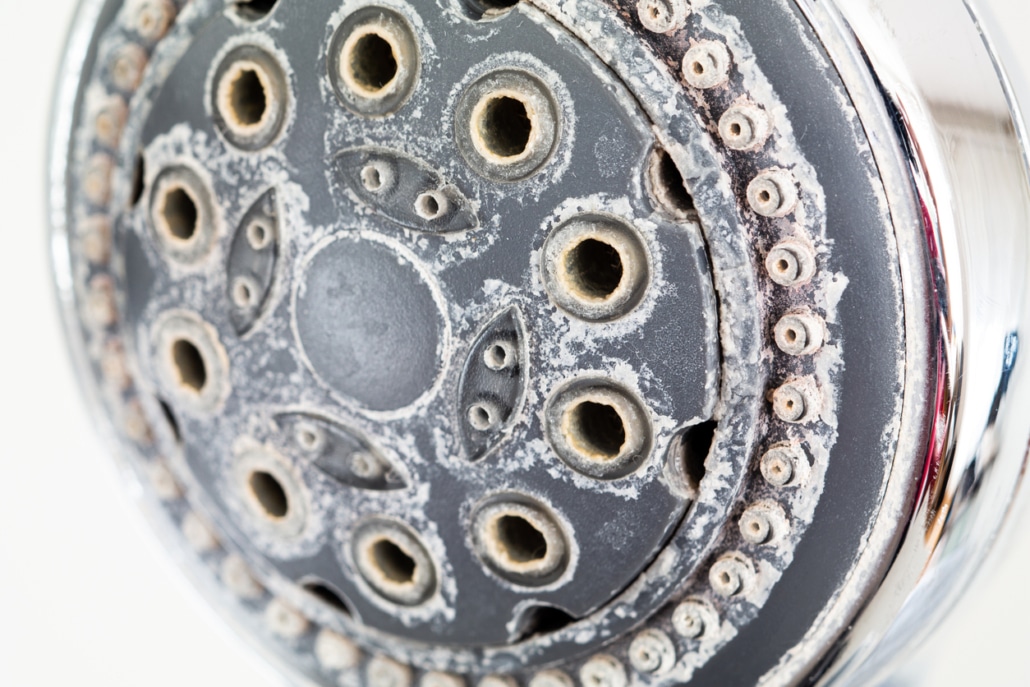
One way that hard water makes itself known is that it often leaves white, chalky stains on faucets, showerheads, and sinks. These stains are caused by calcium deposits. They look messy and can be difficult to remove.
Minerals from hard water can also deposit themselves in faucets and showerheads, reducing water flow and efficiency. Hard water can also deteriorate rubber seals and valves in fixtures, leading to leaks that waste water and increase your utility bills.
Damaged Appliances
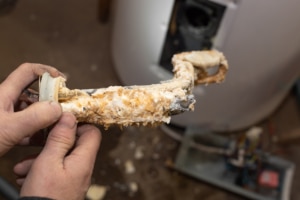 Your appliances will also suffer from exposure to hard water. Limescale buildup inside water heaters can reduce their efficiency by creating an insulating layer that forces the heater to work harder to deliver hot water. This not only increases your energy bills, it also shortens the lifespan of your water heater.
Hard water also will leave mineral deposits on heating elements, in hoses, and on internal components of dishwashers and washing machines. This can lead to reduced performance, longer cycle times, and more frequent breakdowns. Any appliance that supplies or uses hard water can become clogged. This includes refrigerators and coffee makers too.
How To Solve Hard Water Issues in Your Home
Fortunately, there are a number of solutions to the problems hard water creates. These include:
Installing a water softener – A water softening system uses ion exchange to remove calcium and magnesium from the water, replacing them with sodium or potassium ions. This process prevents limescale buildup and protects plumbing and appliances.
Using descaling agents in appliances – Regular use of descaling agents in appliances like dishwashers, washing machines, and coffee makers can help remove mineral buildup and keep them running well.
Regular plumbing maintenance – Weinkauf Plumbing & Heating can help identify and remove limescale buildup inside your pipes before it becomes a major issue for your plumbing. Flushing the plumbing system periodically can also reduce mineral accumulation.
Soaking fixtures in vinegar – Vinegar can help dissolve and remove hard water stains and buildup, keeping faucets and showerheads clean and functioning properly.
Upgrading your fixtures – There are fixtures specifically designed to resist limescale buildup, and some faucets and showerheads come with features that make them easier to clean or with anti-limescale materials.
Hard water can be a problem for homeowners, but with the right maintenance and the addition of a water softener, you can protect your plumbing system and appliances and enhance your water quality. If you would like to talk to a professional about your hard water issues, contact us at Weinkauf Plumbing & Heating. We would be happy to inspect your plumbing and appliances and make recommendations on how best to solve any problems you are experiencing.