Why Your Home Feels Stuffy in Winter and How Ventilation Fixes It

Why Your Home Feels Stuffy in Winter and How Ventilation Fixes It

When winter settles into Michigan and the temperatures stay below freezing for weeks at a time, most homeowners try to seal their homes up as tightly as possible to conserve heat, save money, and stay comfortable. They seal up drafts, shut the windows tight, and rely on their heating system to keep the house warm. After a few weeks of this, though, something can start to feel off.

The air feels heavy. Cooking smells linger longer than they should. Your windows might collect condensation, or your house feels stale no matter what temperature you set your thermostat at.

If your home feels stuffy in winter, you’re not alone. This is one of the most common indoor comfort complaints homeowners have during the coldest months of the year.

And in many cases, your furnace is not the real issue.

Why Winter Air Starts to Feel Stale

During the winter, your home becomes a sealed box. That is intentional because you want to keep the cold air out and the warm air in to survive the chill. The problem is that when fresh air stops coming in, stale air also stops going out.

Your furnace heats the air that is already inside your home. It does not bring in fresh air from outdoors. So the same air continues to circulate over and over again. Over time, that trapped indoor air can start to feel:

  • Stale or heavy
  • Musty or filled with lingering odors
  • Irritating to allergies or sinuses
  • Low in freshness and circulation

In older homes that were less insulated or air tight, natural air leaks used to allow some exchange between indoor and outdoor air. Today’s homes are more energy efficient and much tighter. This is good for your heating bills, but it’s not always good for ventilation.

Signs You May Have a Ventilation Problem

If your home feels stuffy in winter, you might also notice a few other clues. Windows may develop condensation even when humidity levels seem normal. Bathrooms may take longer to clear out steam after showers. You might still smell those onions you sauteed with dinner at bedtime.

Some homeowners even report mild headaches, fatigue, or an overall sense that the air feels harder to breathe. While these symptoms can have many causes, poor home ventilation often plays a role.

In Northern Michigan, where our homes stay sealed for months at a time, these issues tend to build up gradually through the winter season. You may not notice them right away, but when you do, you really do.

The Role of Ventilation in Indoor Comfort

Ventilation is simply the controlled exchange of indoor and outdoor air. It allows stale air to leave the house while bringing in fresh air from outside. In the summer, this happens naturally when windows are open. In winter, opening windows is not practical, so this is where proper ventilation systems come in.

Basic ventilation can include kitchen and bathroom exhaust fans that remove moisture and odors. However, these systems only remove air. They do not bring fresh air back in.

For many homes, especially newer or well insulated ones, a more balanced approach works best.

How an HRV Can Improve Winter Air Quality

One of the most effective solutions for stale winter air is a Heat Recovery Ventilator, often called an HRV.

An HRV system works by pulling stale indoor air out of the home while bringing fresh outdoor air in at the same time. The system transfers heat from the outgoing air to the incoming air so you do not lose the warmth you have already paid to produce.

This is especially helpful in Michigan’s climate, where outside air can be extremely cold for extended periods. An HRV allows you to improve indoor air quality in winter without sacrificing comfort or efficiency.

Homeowners who install a whole home ventilation system often notice:

  • Fresher, cleaner feeling air
  • Fewer lingering odors
  • More balanced humidity levels
  • Reduced window condensation

Adding an HRV to your home is not about heating more. It is about breathing better, fresher air.

Sometimes It Is Not the Furnace

When your home feels uncomfortable in winter, you may think something is wrong with your furnace. In many cases, the furnace is doing exactly what it is supposed to do: producing heat. The missing piece is airflow and fresh air exchange.

A professional evaluation can help determine whether your issue is related to ventilation, humidity balance, ductwork airflow, or heating performance. Often, small adjustments or the addition of a ventilation system can make a noticeable difference in your overall comfort.

Breathe Easier This Winter

Winter is a challenging season, and indoor air quality may not be the first thing on your list when you think of overall comfort. But fresh air matters, and it’s possible to have fresh air in your home even when it is freezing outside.

If the air in your home feels stuffy this winter, you do not have to just live with it. Call Weinkauf Plumbing & Heating to schedule a ventilation and indoor air quality evaluation. We serve homeowners in Alpena, Oscoda, and throughout Northeast Michigan, and we are here to help you stay comfortable all year long.
 

What to Check When Your Gas Furnace Isn’t Heating

Winter showed up fast this year in Michigan, even before Thanksgiving, catching a lot of home and business owners off guard. Unusually cold temperatures and early snowfall arrived before many people had a chance to prepare, putting furnaces to the test sooner than expected. When the weather turns this cold this quickly, even reliable gas furnaces can struggle if something small is off. That’s why Weinkauf Plumbing & Heating is here, to help people whose heat isn’t working quite right, or not working at all.

When the temperatures in Alpena and Oscoda drop, one of the more stressful things you can deal with is a gas furnace that suddenly stops working. Every winter, our team at Weinkauf Plumbing & Heating handles hundreds of calls from locals whose heat has failed. But, while many furnace issues do require professional repair, others are surprisingly easy to fix yourself.

If your gas furnace isn’t heating like it should, here are a few things to check before you call us for service.

1. Change That Air Filter

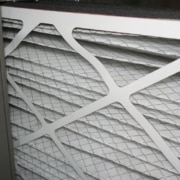
A clogged or dirty furnace filter is one of the most common causes of poor heating performance or complete furnace shutdown. If your furnace can’t pull in enough air, it can overheat and shut off automatically as a safety precaution.

That clogged air filter in your furnace could be full of more than just dust. Over time, it collects pet hair, pollen, mold spores, lint, and even tiny particles of insulation or construction debris. In some cases, bacteria and allergens can build up in the filter, making your indoor air feel stale or irritating your allergies. A dirty filter doesn’t just block airflow, it can lower your home’s air quality while forcing your furnace to work harder than it should.

What to do:

  • Check your filter monthly during the winter.
  • Replace it if it looks dirty or clogged.
  • Set a reminder on your phone or your calendar so you don’t forget.

A clean filter helps your furnace run more efficiently and extends its lifespan.

2. Make Sure the Thermostat Has Power

If your furnace isn’t turning on at all, the problem could be as simple as dead thermostat batteries. Many digital thermostats require AA or AAA batteries to operate, and they don’t always warn you before failing.

Also check:

  • That the thermostat is set to HEAT
  • The temperature is set higher than the current room temp
  • The circuit breaker hasn’t tripped

3. Check Your Propane Tank

For customers outside city limits, propane-powered furnaces are common, and so is running out of fuel in the middle of a cold snap. Before calling your HVAC technician, check your propane tank’s gauge. Even if it’s not empty, if you’re below 20%, it’s time to schedule a refill.

4. Look for Blocked Vents Inside and Out

Sometimes the problem isn’t with the furnace itself, it’s the airflow in and out of your home. If vents are blocked, your system can overheat or shut down early. Check:

  • Are floor or wall vents blocked by rugs, furniture, or toys?
  • Is the area around your furnace clear? (Keep it at least 3 to 6 feet clear.)
  • Are the furnace’s exterior intake/exhaust pipes blocked by snow, ice, or leaves?

Blocked exterior vents are a common cause of furnace trouble in winter, especially after a heavy snow. Your furnace needs clear intake and exhaust vents to operate safely and efficiently. If snow, ice, leaves, or even animal nests block these openings, it can trigger your system to shut down automatically to prevent dangerous buildup of combustion gases like carbon monoxide.

Regularly checking and clearing these vents can help prevent unexpected breakdowns and keep your home safe and warm.

5. Don’t Ignore Short Cycling or Strange Noises

If your furnace is turning on and off rapidly or making new clunking, clicking, or squealing sounds, don’t wait to call us. These are early signs of a mechanical problem.

Short cycling can lead to:

  • Excessive wear on parts
  • Incomplete heating cycles
  • Higher utility bills
  • Risk of long-term furnace damage

When to Call Weinkauf Plumbing & Heating

furnace failure - gas furnace isn't heating

If you’ve tried the checklist above and your furnace still isn’t heating properly, it’s time to call the pros. Our team can help with:

  • Igniter or flame sensor problems
  • Malfunctioning burners or limit switches
  • Cracked heat exchangers
  • Gas line issues
  • Diagnosing thermostat wiring faults

We service gas furnaces of all makes and models throughout Alpena, Oscoda, and surrounding areas. And if your heat goes out in the middle of the night, we offer emergency service when you need it most.

Keep Your Winter Worry-Free

If your gas furnace is not heating, start with this checklist, and don’t wait until your home or business is freezing. You do not need frozen pipes on top of a malfunctioning furnace. Routine maintenance and early attention to small issues can help you avoid a costly breakdown when temperatures drop below zero.

Contact Weinkauf Plumbing & Heating or call us directly at (989) 354-5427. We’ll help you keep your home or business safe, warm, and comfortable all winter long.

How Your HVAC System Can Improve Indoor Air Quality

When you think about your HVAC system, you probably think about heating and cooling – but did you know it also plays a huge role in the air you breathe inside your home? The outdoor air quality in Alpena, Michigan and the surrounding areas varies with weather and seasonal changes, so making sure your indoor air is clean and healthy is more important than ever. Let’s break down how your HVAC system can improve indoor air quality and what you can do to keep your indoor air fresh and safe year-round.

Why Indoor Air Quality Matters

Most of us spend the majority of our time indoors, but if your indoor air is full of allergens, pollens, dust, or other pollutants, it can lead to:

  • Coughing, sneezing, and allergy flare-ups
  • Dry skin or irritated eyes
  • Worsened asthma or breathing issues
  • Headaches and fatigue 

And here’s the thing: if your HVAC system isn’t clean or properly maintained, it could actually be spreading all that stuff around your house.

What’s the Outdoor Air Quality Like in Alpena, MI?

Outdoor air quality directly affects indoor air quality because people do not live in sealed cleanroom environments. We live in houses with windows and doors that are opened and shut all of the time. You might think of the Alpena air quality as fresh and clean, and for the most part, you’re right. But like any area, outdoor air quality can change depending on the season, weather patterns, and nearby activity.

According to Plume Labs, Alpena generally has good air quality, especially compared to big cities. But there are still certain times when air pollution levels can rise, such as:

  • In the summer, when higher temperatures can trigger smog and ozone issues.
  • During wildfire season, even distant fires can send smoke and fine particles into the air.
  • Wood-burning stoves and poor ventilation can lead to localized pollution, especially on still, cold days. 

While outdoor air in Alpena is usually safe, these fluctuations can affect people with asthma, allergies, or other respiratory conditions. And when outdoor air isn’t ideal, your indoor air quality becomes even more important.

4 Ways Your HVAC System Can Help You Breathe Easier

Let’s talk about how your HVAC system can improve your indoor air when it’s set up and maintained the right way.

1. It Filters Out Dust and Allergens

Your system’s air filter catches pollen, pet dander, dust, and other things floating around your home. But if that filter’s clogged or low-quality, it’s not doing much good. Check your filter once a month, and replace it every 1-3 months (or more often if you have pets or allergies) if you want better air quality.

2. It Helps Control Humidity

Furnace overactivity can make your air super dry, and that’s not just uncomfortable, it can lead to dry skin, sore throats, and even make viruses spread more easily. On the flip side, too much moisture in the summer can cause mold and mildew. Look into installing whole-home humidifiers (for dry air) and dehumidifiers (for muggy months) that hook right into your HVAC system if you want healthier, more comfortable indoor air. 

3. It Brings in Fresh Air

Older homes tend to be sealed up tight, and that traps indoor air pollutants inside. Newer HVAC systems can bring in fresh outdoor air and push out the stale air, without losing heat. If your system isn’t set up for fresh air intake, ask your Weinkauf HVAC tech if it’s an option during your next service visit.

4. It Can Even Kill Germs

Some systems now include UV light air purifiers that kill bacteria, viruses, and mold spores as the air flows through your system. These are especially helpful for families with allergies, asthma, or anyone with a sensitive immune system.

Easy Ways to Keep Your Air Cleaner

Want to get the most out of your HVAC system and keep your indoor air healthy? Here’s what you can do:

  • Replace your air filter regularly
  • Schedule a yearly HVAC tune-up (especially before winter or summer hits)
  • Ask about duct cleaning if your home is older or you’ve done recent renovations
  • Consider adding a whole-home humidifier or air purifier if you’re noticing dryness or allergy symptoms 

Let Us Help You Breathe Better

At Weinkauf Plumbing & Heating, we help homeowners in Alpena, Oscoda, and surrounding Northern Michigan stay comfortable and healthy year round. Whether you need a new filter, an indoor air quality check, or a whole-home humidifier installed, contact us! We want to partner with you so your HVAC system can improve your indoor air quality. 

Give us a call today to schedule a service or talk about your options. We’ll help you breathe a little easier this spring – and every season after.


Winterizing Your Home: Essential HVAC and Plumbing Tips

Fall is a gorgeous season in northern Michigan, but, as we all know, after fall comes winter – which can be much more challenging. If you want to be comfortable this winter, and protect your home from damage and your pocketbook from high utility bills, now is the time to prepare. Properly winterizing your home can also help prevent unexpected breakdowns or costly repairs. Here’s how to effectively winterize your property and keep your furnace and plumbing running smoothly throughout the colder months in Michigan.

Steps to Take to Winterize Your Home 

HVAC

Let’s start with your HVAC system, since that is what will keep you and your family warm when it’s frigid outdoors. To keep it operating at peak efficiency, you should: 

Schedule a Furnace Tune-Up: Before the cold sets in, have Weinkauf Plumbing & Heating inspect and clean your furnace. We will check for leaks, lubricate parts, and ensure that your  system is in tip-top shape.

Replace Your Furnace Filters: Dirty filters make your furnace work harder and lower your home’s air quality. Regularly change your furnace filters at least 4 times a year for optimal airflow and efficiency. If you have pets or a respiratory condition, consider replacing your filters more frequently – otherwise the pet hair and dander can have a negative effect on your HVAC system and lungs. 

Check Your Thermostat’s Settings: Consider upgrading to a programmable thermostat to save on energy costs. You can easily set your thermostat to a lower temperature when you’re away or asleep and warm up the house when you wake up or return home.

Insulation

Heating and insulating are complementary steps in winterizing your home. Proper insulation is key to keeping it comfortable and reducing strain on your HVAC system. To do this you should check for drafts around your windows and doors and use weatherstripping or caulk to seal any gaps. 

Also check your attic insulation. A well-insulated attic can prevent heat loss and reduce your heating bill. If your current insulation is not at the recommended level, consider adding more. Northern Michigan has a Cold Humid (6A) climate. See the attic insulation recommendations below (from Energy Star) for guidance. 

insulation requirements

Image courtesy of Energy Star

Plumbing 

Frozen pipes are a common problem during winter, and they can lead to major damage if they break. Here are ways to prevent freezing pipes:

  • Keep the Heat On: If you’re away from home, keep your home heated to at least 55°F to prevent pipes from freezing.
  • Let Faucets Drip: On particularly cold nights, let cold water drip from faucets connected to exposed pipes. The water flow helps prevent freezing.
  • Disconnect Outdoor Hoses: Drain and store outdoor hoses in the fall, and shut off water to outdoor faucets to prevent freezing in the pipes.
  • Insulate Pipes: Protect your plumbing by insulating exposed pipes in attics, basements, or crawl spaces. This will reduce the risk of freezing and bursting during cold snaps.

Your water heater works harder in the winter to deliver hot water, so it’s important that it’s ready for the job. The ideal temperature for your water heater is around 120°F to balance both comfort and energy efficiency. If your water heater is located in a colder area of your home, like your garage or basement, consider insulating the tank to reduce heat loss.

Sediment buildup can reduce efficiency, so flush the tank to remove any debris. If you’re unsure how to do this or want to avoid the hassle, call us at Weinkauf, and one of our professional technicians will promptly take care of it for you. 

Ventilation and Airflow

Maintaining proper airflow is crucial for a safe and efficient HVAC system during winter. For safer and more even heating, clear your air vents from blockages like furniture or curtains. Outside, snow, ice, or debris can block your HVAC system’s exhaust vents. Make sure these vents remain clear to prevent carbon monoxide buildup.

Along with ensuring proper ventilation, test your carbon monoxide detectors and replace the batteries before the winter season begins. While you’re at it, change the batteries in your smoke detectors as well. An ounce of prevention is worth a pound of cure. 

Humidity

Michigan is humid, but running your furnace for months on end will suck the moisture out of your air, making your home dry and uncomfortable. Adding a whole-home humidifier will maintain proper humidity levels and improve your comfort and your health during winter.

Protect Your Home and Your Health

Winterizing your home is about more than just comfort – it’s about protecting your investment in your home by preventing costly HVAC and plumbing repairs. By following the above tips, you can prepare your home for the cold weather ahead. If you’d like to schedule a furnace tune-up or consult with a professional about adding a humidifier to your furnace, contact Weinkauf today. We would be happy to inspect your systems, address any concerns, and ensure everything is functioning optimally before winter hits.


How To Maximize Your Air Conditioning in the Summer

How much of your energy bill is used to heat or cool your home? Do you know? The U.S. Department of Energy reports that heating and cooling account for approximately half of the typical home’s energy usage. That percentage is even higher when temperatures fluctuate above or below the norm for summer or winter. When energy prices are already high, you need your HVAC system to operate as efficiently as possible. Since we are in the hottest part of the year now, here are some practical ways to help you get the most out of your air conditioning. 

Tips to Maximize Your Air Conditioning System

Schedule Regular Maintenance

If your HVAC system is not regularly checked and maintained, it’s much less likely to meet top performance standards. Annual professional check-ups can prevent issues and ensure your air conditioning works well when you need it to. If you do notice an issue, you should contact Weinkauf right away. Otherwise your air conditioning system will struggle to cool your home, using far more energy to meet minimum standards of cooling. 

AC maintenance typically involves cleaning components, performing repairs, and refilling the refrigerant. Grime and dirt on parts like the evaporator coil can diminish the system’s performance, while proper care will extend the life of your equipment. 

Weinkauf offers a number of maintenance plans to ensure that your home’s heating, ventilation, and air conditioning (HVAC) systems remain in top-notch condition.

Replace Your Filters

Your HVAC system has to work harder to push air through a dirty filter. Over time, this may result in system failure and additional, unnecessary repairs. Also, a dirty filter can also be a breeding ground for bacteria, dust mites, and mold, creating an unhealthy atmosphere to live or work in. 

For an HVAC unit that sees nearly year-round use, you should change your air filter at least every three months – more often if you have pets or your system is working around the clock to heat or cool. 

Use a Programmable Thermostat

Many HVAC professionals recommend setting the thermostat to 78 degrees to balance your comfort and your energy use. To save more energy, you can raise the thermostat settings to about 80 degrees when you’re away on vacation or at work. You can also set different temperatures in the morning and night when you sleep. The best and easiest way to manage this use is with a programmable thermostat.

maximize your air conditioning

Address Airflow Problems 

If your vents are blocked by furniture or other objects, this interrupts your airflow and forces your HVAC system to work harder to cool. Inside the house, clear away anything that obstructs your vents and vacuum them regularly. Outside your home, you should also remove anything around your AC unit and make sure that it is not clogged with sticks, leaves, or other vegetation. You can also shade your AC unit from direct sunlight to improve its efficiency. 

Check for Air Leaks 

Sometimes the issue is not with your air conditioner but with air leaks. If your home is inadequately insulated or there are leaks in your ductwork or around your doors and windows, your HVAC system will have a tougher job cooling it. Ask Weinkauf about an energy audit if you would like to pinpoint spaces with inadequate insulation or are worried about air leaks in your home. We can find any problematic areas that need upgrading or sealing. 

Add a Ductless Mini-Split System to Hard-To-Cool Areas

Zoning hard-to-cool areas in your home may be a more efficient way to cool them than running your HVAC system more often. Zones are independent areas that are regulated separately. They can be cooled efficiently with a ductless mini-split air conditioner. A ductless system does not require ductwork to transfer heat energy across larger spaces and is often the best way to extend air conditioning to an extra room in your home.

Prevent the Buildup of Ambient Heat

You can keep your rooms cooler by effectively managing ambient heat in your home. During sunny periods, close the curtains or shades. Using ceiling fans can help distribute cool air more evenly, reducing the strain on your air conditioner. 

Use a Dehumidifier

Michigan has an average relative humidity of 72.1%. When it’s hot outside, the moisture in the air only makes it feel hotter. Turning down your thermostat only overworks your equipment, but adding a dehumidifier can reduce utility bills and enhance indoor comfort during the muggy days of summer. It can also prevent moisture damage to your furnishings and other valuables.

Take Practical Steps to Get More Out of Your Air Conditioner

In the summer your air conditioning is what keeps your family comfortable. Keeping your HVAC system running efficiently is a must for staying cool and keeping your energy costs down. By following the above tips, you can enjoy a comfortable and cost-effective summer. If you ever have any concerns about the functionality of your HVAC or would like to discuss adding features that would make it more effective at cooling, call us at Weinkauf Plumbing & Heating. We are always ready to help! 


Carbon Monoxide Safety and Your HVAC System in Winter

It’s January in Michigan. We are in the coldest part of the year – which means your furnace is working its hardest to keep you and your family warm and cozy around the clock. A properly functioning heating system puts out a lot of heat, but it does so safely, without producing toxins that could cause harm. In this blog we will talk about the risk of carbon monoxide poisoning from improperly maintained HVAC systems so that you will know what you need to do to prevent or detect it in your home. 

Carbon Monoxide Gas, the Invisible Killer

What is carbon monoxide? CO is a colorless, odorless gas that is produced as a byproduct when fuels like gas, oil, kerosene, wood, or charcoal are burned. In large enough amounts, carbon monoxide can be deadly to inhale. 

How can this happen? Primarily if your furnace does not burn its fuel completely, although furnaces are not the only source of CO. Other household appliances, like boilers, gas stoves, fireplaces, and water heaters, can also produce carbon monoxide gas and become dangerous if your home is inadequately ventilated.

While you can’t see or smell carbon monoxide, there are early warning signs of CO poisoning, including headaches, dizziness, weakness, nausea, and confusion. If a person inhales enough CO gas, he can experience severe health issues, including unconsciousness and death. This is because carbon monoxide interferes with the body’s ability to absorb oxygen – something we all need – leading to serious tissue damage. 

Detecting Carbon Monoxide in Your Home

CO cannot be detected without the use of special equipment. You should install carbon monoxide detectors on every level of your home, especially near bedrooms. They will alert you if CO levels rise. Like your smoke alarms, you should test these detectors regularly and replace their batteries as needed. A CO detector has a typical lifespan of between 5 and 7 years, so if yours are older than that, get new ones. 

How to Prevent Carbon Monoxide Buildup

There are a number of things you can do to prevent the danger of carbon monoxide buildup in your home. These include:  

Regular HVAC Maintenance – The first line of defense against CO poisoning is scheduled HVAC maintenance. These periodic checkups ensure your HVAC system and any other appliances that burn fuel are inspected and serviced annually by a qualified technician. HVAC professionals are trained to identify potential hazards, like a cracked heat exchanger or blocked chimney, that could lead to CO buildup.

Proper Ventilation – CO is not dangerous in very small amounts, which is why proper ventilation is crucial. Never use a gas oven to heat your home if your furnace isn’t working or burn anything in a stove or fireplace that isn’t vented. Do not use portable fuel-burning camping equipment or generators indoors either. Carbon monoxide poisoning is also possible if you run your car or truck inside a closed garage. Any vents, including your dryer vents should always be kept clear of snow and other debris.

Education – Educate your family or anyone living in your home about the dangers of CO poisoning. Teach them the symptoms to look for and the importance of evacuating the house and calling 911 if a CO alarm goes off. Immediate treatment is critical to a good outcome if CO poisoning occurs. The person should be moved to fresh air, and medical attention should be contacted. 

Safety First! 

There are many enjoyable things about the winter season, but it’s also important to stay warm and stay safe. Regular maintenance of your HVAC system, proper use of appliances and carbon monoxide detectors, and awareness about carbon monoxide can make all the difference. 

If you have any concerns or questions about carbon monoxide or how well your furnace and other gas-fueled appliances are working, please call us at (989) 354-5427. We will be happy to schedule someone to take a look at your HVAC system and make recommendations for its maintenance and most efficient use. Contact us today! 


Residential Valued Customer Plans – Your Gateway to Comfort and Savings!

Why Not Maintaining Your Home Systems Can Cost You More: Introducing Residential Valued Customer Plans (RVCP)

Are you aware that neglecting regular maintenance of your home’s heating, cooling, and plumbing systems could be costing you significantly? At Weinkauf Plumbing & Heating, we understand these challenges and are thrilled to introduce our Residential Valued Customer Plans (RVCP) – maintenance plans and service packages that not only enhance efficiency but also save you from potential financial pitfalls.

The High Cost of Neglect

  1. Furnace Maintenance: A well-maintained furnace can save up to 30% in energy efficiency, reducing your utility bills. However, ignoring this can lead to decreased efficiency and increased energy costs. Consider the RVCP Furnace Plan at just $18/month to avoid these unnecessary expenses.
  2. Water Heater Upkeep: Failing to maintain your water heater can lead to leaks, heating element failure, or complete unit breakdown. With repairs costing an average of $591, the RVCP Water Heater Plan at $5/month is a small price to pay for peace of mind.
  3. Air Conditioning Care: Air conditioning units require regular tune-ups. Neglect can lead to costly repairs ranging from $150 to over $2,500, including $600 to $2,500 for compressor replacement. Our A/C Plan at $10/month is a smart investment to mitigate these hefty repair bills.

Comprehensive Coverage with RVCP

  1. Deluxe Package: Our Deluxe Package for $30/month covers all three systems and offers a 5% discount on additional HVAC or plumbing work. This comprehensive approach not only saves you money on maintenance but also on potential repairs and energy costs.
  2. Enhanced Efficiency and Savings: Proper maintenance can improve system efficiency by 10%, translating to significant utility savings. Avoiding maintenance can lead to problems like clogged AC drain lines, which can cost $75 to $250 to fix.
  3. Increased Home Value: Homes with documented regular maintenance are more attractive to buyers, potentially increasing your property’s value.

Joining a Weinkauf Residential Valued Customer Plan is not just about maintaining your home systems; it’s about protecting your investment from unnecessary and often substantial repair costs. Our team at Weinkauf Plumbing & Heating is committed to providing you with the best possible service and peace of mind.

Contact us today to inquire and learn more!

It’s Time for Fall Plumbing and HVAC Maintenance!

The summer light is fading, and cooler temperatures are now in the forecast. For many people this is great news – fall is their favorite season. It’s also the perfect time to give your HVAC and plumbing systems a tune-up. As winter approaches, these systems will be working harder than ever to keep your home comfortable. By taking some time now to perform fall plumbing and HVAC maintenance, you can prevent costly repairs and inconvenient outages when you least need them. 

A Helpful Fall Checklist

Here are some essential plumbing and HVAC maintenance tasks to perform in the autumn:

HVAC Maintenance:

  • Change Your Air Filters – Clogged furnace filters can reduce airflow, worsen indoor air quality, and decrease the overall efficiency of your HVAC system. Changing your air filter will help improve the air quality in your home and help your furnace run more efficiently. This is the simplest and yet most effective thing you can do for your HVAC system.
  • Test Your Furnace Turn on your furnace before it gets cold to ensure it’s working correctly before you need it. Listen for any unusual noises, and if you notice any issues, contact us to schedule an appointment for repair.
  • Inspect the Chimney and Flue – If you have a fireplace or wood-burning stove, have your chimney and flue inspected and cleaned, if necessary. Creosote buildup is a potential fire hazard.
  • Seal Any Leaks and Insulate – Check your doors and windows for drafts and seal any gaps with weatherstripping or caulking. To prevent heat loss, insulate attic spaces, and your basement or crawl space.
  • Clean Heating Vents and Registers – Your heating vents and registers need to be clear to ensure even heating throughout your home. Vacuum them and remove any accumulated dirt, pet hair, and debris. This will also help mitigate any fall allergies. 
  • Check Your Thermostat Settings – Adjust your thermostat settings for fall. To save on energy costs in this tough economy, consider programming a lower temperature setting during the nighttime or when you’re away.
  • Schedule Professional Maintenance – Consider scheduling professional HVAC maintenance service. Our HVAC service technician will perform a thorough inspection, clean your system, and make any necessary repairs to keep your furnace running efficiently all winter.

Plumbing Maintenance:

  • Clean Your Gutters and Downspouts – This will prevent water from backing up and causing flooding in your home. 
  • Drain and Insulate Outdoor Faucets – Disconnect and drain any outdoor hoses, and shut off the water supply to outdoor faucets. Insulate these faucets with foam covers to prevent them from freezing and creating potential damage to your pipes.
  • Check for Leaks – Inspect all of your visible plumbing for leaks, including plumbing located under sinks and around toilets. If you have any leaks, immediately address them as they waste water and can cause significant water damage. 
  • Flush Your Water Heater – Drain and flush your water heater to remove any sediment buildup. The sediment that accumulates over time will reduce its efficiency.
  • Insulate Pipes – While you’re addressing heat loss in your attic or basement, remember to insulate any exposed water pipes as well. This will prevent them from freezing and potentially bursting.
  • Test Your Sump Pump – If you have a sump pump, test it to ensure it’s in good working order. Fall is a rainy season in Michigan, which can lead to increased water in basements, so a functional sump pump is essential. Raise the float and make sure it runs correctly, and check the battery and the backup one if you have one.
  • Check the Septic System – If you have a septic system, consider having it inspected and pumped as needed to prevent backups.
  • Schedule Professional MaintenanceContact a licensed plumber for a more comprehensive plumbing checkup. He will be able to identify any hidden issues and provide recommendations. If you already have plumbing problems, call now. A small problem can quickly turn into a big headache and expense if it is not addressed promptly.

Winter Is Coming

September is National Preparedness Month. By performing the above plumbing and HVAC maintenance tasks in the fall, you can help ensure that you and your family will have a warm, cozy, hassle-free winter. You’ll also save on energy costs and prevent costly repairs down the road. For maintenance or service, call us anytime at Weinkauf Plumbing & Heating. We will be there fast to solve your problem!


The Most Expensive Appliances in Your Home

Inflation is hitting everyone in the wallet these days. Utility bills can be anxiety provoking especially when you don’t know what to expect. The costs fluctuate from month to month and season to season. If you dread opening your electric bill, this blog is for you. Here we will discuss which appliances and systems in your home use the most energy so you can decide how you want to use your most expensive appliances – or whether you want to replace them with more energy efficient models. 

Which Appliances Are Most Expensive to Operate? 

#1 Your HVAC System

Heating and cooling account for nearly half the energy used in most homes. An electric furnace will, of course, use more electricity than a gas one, but a gas furnace that runs inefficiently will still run up your electric bill. Your air conditioner should also be in top condition if you want lower bills during the summer months. At Weinkauf, we recommend changing your air filter regularly because a dirty filter will force your HVAC system to work harder and use more energy.

We also recommend that you have a professional check and maintain your HVAC system at least once a year so that it runs smoothly and efficiently at all times. If your furnace is older than 10 years, you could realize significant energy savings by replacing it with a more energy efficient model

We can also upgrade your thermostat to a smart thermostat that will learn your temperature preferences and allow you to reduce HVAC use when you are sleeping or not at home, saving you money over time. 

#2 Your Water Heater

An electric water heater can account for up to 15 percent of your home’s total electricity use. Whether gas or electric, a traditional water heater uses energy continuously in order to provide you with hot water when you need it for washing or bathing. Insulating your water heater tank and pipes can reduce heat loss. Or you could upgrade to a tankless water heater which will supply limitless amounts of hot water when you need it without the energy waste lost during storage. 

#3 Your Washer and Dryer

Laundry and dishwashing are daily tasks that require time and energy. They also account for up to 12 percent of your energy use. To conserve resources, save running your washing machine or dishwasher until you have a full load, and wash more of your clothing on the cold cycle. 

#4 Your Home’s Lighting 

In Michigan we can’t rely on only solar energy for light or heating, but using natural light whenever possible will help lower your lighting costs. Turn off lights when you are no longer using them, and nag your kids to do the same. It’s also good to replace your traditional incandescent light bulbs with LED bulbs which are more energy efficient and last longer. 

#5 Your Stove and Refrigerator

Newer appliances are more energy efficient than older models, particularly ENERGY STAR products, but if you’re not ready or able to replace your stove or refrigerator, keep them cleaned and maintained so they can operate as well and effectively as possible. 

Most of the other personal appliances or devices in your home are not as energy intensive. While it’s always good to turn off televisions or computers when you are not using them, they simply do not take as much energy to run as air conditioners or water heaters. If you see your utility bills rising, you should focus on which of your larger appliances are no longer in top condition and maintenance or upgrade them. By identifying the most expensive appliances in your home, you can reduce your energy consumption and your bills.

There are ways to reduce your utility costs and save money every month. If you have questions about your HVAC system and its efficiency, please contact us at Weinkauf Plumbing & Heating. We would be happy to discuss your options with you and make recommendations for repairing or replacing your furnace, your A/C, or your water heater. 


Change Your Air Filter to Keep Your Furnace in Good Condition

Regular home maintenance is part of responsible homeownership. It helps ensure that all of the parts of your home that keep your family comfortable are working correctly. One regular maintenance task that should not be skipped is changing the air filter on your furnace. This quick, inexpensive task impacts your indoor air quality and can mean the difference between enjoying problem-free comfort in your home and paying for unnecessary repairs. 

What Your Air Filter Does

In most homes, especially homes with newer HVAC systems, the heating, ventilation, and air conditioning systems are combined – which means that all the air that comes through the system is filtered by one filter. There are many types of filters, but they all work to prevent air particles of up to 40 microns from entering the system and clogging the machinery. 

When the air filter gets too dirty, the air pressure in the system can drop which causes reduced air flow. The system must then work harder to do its job. Over time, this creates stress and may result in the furnace breaking down and needing to be repaired or replaced. 

A dirty filter can also be a breeding ground for bacteria, dust mites, and mold, especially if it’s in a damp location. Mold spores can spread throughout the entire house via the HVAC system, creating an unhealthy atmosphere and an expensive problem to remediate. 

How Often Should You Change Your Air Filter? 

The rule of thumb is that, for an HVAC unit that sees nearly year-round use, you should change your air filter at least every three months. If your home has many pets or people living in it or if there is a lot of dust, pollen, or other airborne particulate, changing it once a month would be better. 

Different HVAC systems take different types of filters. Most filters are disposable screens that are designed to trap as much air particulate as possible. There are many types of filters that will fit different types of furnace units. Make sure to use the right size filter for your furnace or it will not work properly. If you have questions about where your filter goes or how it is inserted, ask your HVAC professional when you have your furnace maintenance done. 

Adding an AprilAire 1410 air purifier to your furnace unit will help keep the blower housing within your furnace clean. This means that the air within your entire home will also be cleaner. It comes with a healthy air filter that captures more pollen, dust, dander, and mold spores, leaving your air easier to breathe. 

Have Your Furnace/HVAC Serviced Regularly

You should have your furnace serviced at least once per year. A furnace has many moving parts that can break or degrade over time. An HVAC technician will inspect the belts, coils, and fans as well as your ventilation ductwork to make sure everything is working properly and there are no clogs or other problems. 

Changing your air filter regularly and having your HVAC system serviced at least annually will keep your air clean and your air handling system working smoothly. If you have questions about the quality of your air or your HVAC system, call us at Weinkauf Plumbing & Heating. We will be happy to schedule a time to look at your system and recommend solutions to improve the comfort of your home.