5 Signs You Have Furnace Problems: Don’t Wait Until It’s Too Late!
As winter approaches in Michigan, your furnace becomes one of the most important appliances in your home. Unfortunately, like any piece of machinery, furnaces do not last forever. Catching furnace problems early can help you prevent costly repairs, improve your home’s energy efficiency, and make sure that you and your family stay warm when it gets icy cold outside. Here are five telltale signs that your furnace might be in trouble.
Furnace Problems to Watch For
Strange Noises: Banging, Squealing, or Rattling
A well maintained furnace is generally very quiet during operation. Unusual or loud sounds signal that there’s a problem. Banging noises might indicate an ignitor delay, often caused by a dirty burner or gas buildup, which can be dangerous. Squealing noises could mean issues with the blower motor or a loose fan belt, while rattling noises may mean that your furnace has loose panels or a failing motor. Ignoring these sounds could lead to larger issues, so it’s best to contact Weinkauf as soon as you notice them.
Uneven Heating Throughout the Home
Are some areas in your home noticeably colder than others? Uneven heating is a common issue with aging or faulty furnaces. This can be caused by a variety of issues, such as clogged ducts, a malfunctioning thermostat, or a furnace that’s too small for your home. If your furnace has to work harder to try to maintain a consistent temperature, you’ve got a two-pronged problem. It’s costing you money and comfort.
Increasing Energy Bills Without Explanation
If you’ve noticed that your energy bills are increasing even though you haven’t touched the thermostat, this could be due to an inefficient furnace. When a furnace starts to wear down, it has to work harder to heat your home, which leads to increased energy consumption. The causes might range from a dirty filter to issues with the blower motor, or a furnace that’s simply reaching the end of its lifespan. The average lifespan of a furnace is 15 to 20 years, although with good care and consistent maintenance, yours may last longer.
The good news is that newer furnaces are designed for fuel efficiency and will save you money in the long run once installed.
Frequent Cycling On and Off
Furnaces are designed to cycle on and off to maintain the desired temperature, but if you notice that yours is cycling frequently, there could be an underlying problem. Short cycling can be caused by a clogged air filter, an oversized furnace, or a malfunctioning thermostat. Obviously, this is hard on the furnace. Our professional HVAC technicians can diagnose the issue and help get your furnace back on track.
Yellow Pilot Light
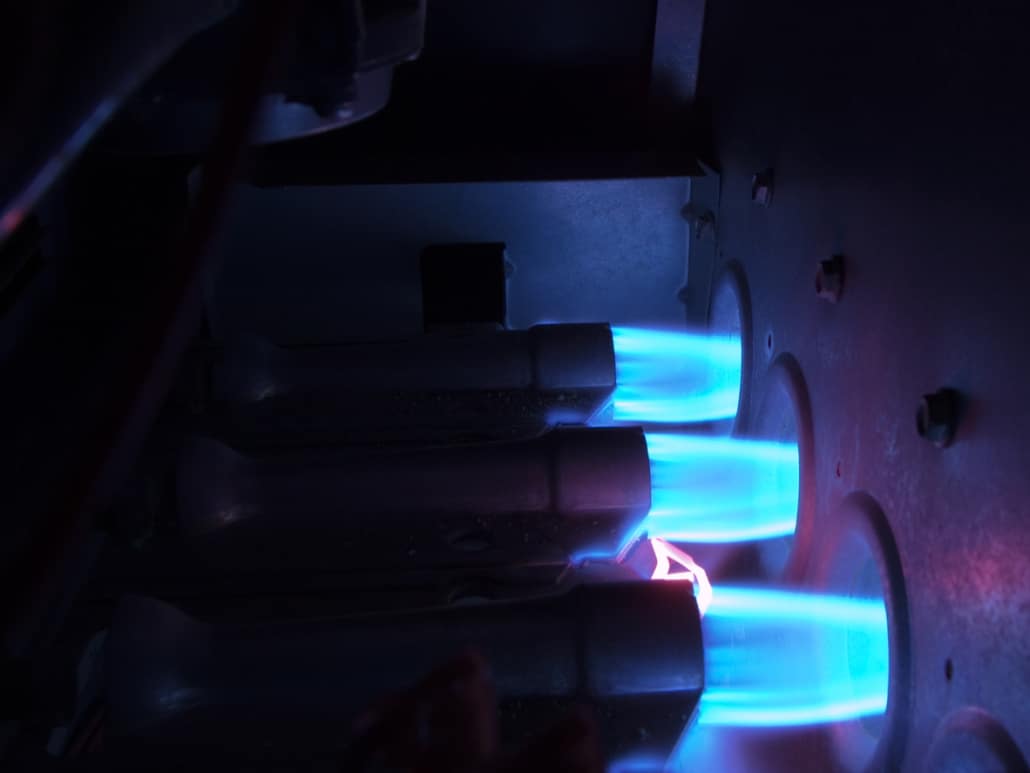
A properly functioning furnace should have a blue pilot light. If you notice the light has turned yellow, this could be a sign of incomplete combustion, often caused by a carbon monoxide leak. Carbon monoxide is a colorless, odorless gas that can be dangerous when inhaled, so it’s important to address this issue immediately. A yellow pilot light could also indicate problems with the burner, such as dirt buildup or an incorrect air-to-fuel ratio. Either way, if you see a yellow flame, it’s time to call for an inspection.
When to Call Weinkauf Plumbing & Heating
If you’re in the Alpena or Oscoda, Michigan area and are experiencing any of these furnace issues, it’s a good idea to call Weinkauf right away. We will send a certified HVAC technician out to inspect your furnace and take care of any problems you are experiencing. From routine maintenance to emergency repairs, our team has the skills and expertise to handle any HVAC or plumbing problem. Don’t wait until Michigan’s next polar vortex and cross your fingers – contact us today to schedule your furnace inspection.