Should You Turn Off Your Boiler in Spring?

After a long Northern Michigan winter, homeowners in Alpena and Oscoda are more than ready to stop paying for heat. We’re ready to open our windows and bask in the natural warmth of that yellow thing in the sky. As temperatures finally begin to rise in May, you might be wondering if you can turn your boiler off now. And, if not right now, when?

The answer depends on your home, your heating system, and what your boiler is responsible for besides heat. In many cases, shutting it down completely may not be your best option. Here is what homeowners should know before flipping that switch off.

Some Boilers Do More Than Heat Your Home

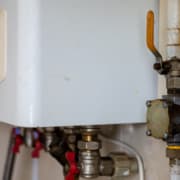
One of the biggest misconceptions about boiler systems is that they only provide heat for radiators or baseboard heating. Many boiler systems also produce your home’s hot water.

If your boiler supplies hot water for showers, sinks, laundry, or dishwashing, turning it off completely will leave you without hot water entirely. Not ideal.

This setup is especially common in older homes that use hydronic heating systems. So before shutting your boiler down for the season, it is important to know exactly what systems in your home it supports.

Spring Temperatures in Northern Michigan Can Change Quickly

Even though May feels like spring, Northern Michigan weather is unpredictable. Temperatures can swing dramatically from one week to the next. A sunny 65-degree afternoon will often turn into a frosty 35-degree night.

That is why many homeowners keep their boiler system operational well into late spring. Rather than shutting the boiler off completely, it may be better to simply lower the thermostat or allow the system to run only when needed during cooler mornings and evenings. This approach helps maintain overall comfort while reducing unnecessary energy use.

Is It Okay to Shut a Boiler Off Completely?

In some situations, yes.

If your boiler is used strictly for heat and your home no longer needs heating during warmer weather, it may be reasonable to turn it off for the season. However, you should still consider:

  • Older boiler systems may benefit from periodic operation to prevent parts from seizing
  • Some systems have circulating pumps that should occasionally run
  • Completely shutting down a neglected system can sometimes make startup issues more likely in the fall

If you are unsure about your specific boiler setup, it is always a good idea to ask a professional before shutting the system down entirely. 

Spring Is Actually a Great Time for Boiler Maintenance

One of the best things homeowners can do in spring is schedule boiler maintenance before next winter arrives. After working hard through another long heating season, boilers can develop buildup, wear, or small issues that are easier and less expensive to address now rather than during a January cold snap.

Spring boiler maintenance can include:

  • Checking system pressure
  • Inspecting pumps and valves
  • Looking for leaks or corrosion
  • Cleaning components
  • Testing controls and safety systems

Scheduling service during the offseason can also mean more flexible appointment availability before the busy winter rush begins again. 

Watch for Signs Your Boiler Needs Attention

Even if your system is still operating normally, spring is a good time to pay attention to warning signs that may indicate maintenance or repairs are needed. Watch for:

  • Uneven heating
  • Strange noises like banging or gurgling
  • Leaks around the boiler
  • Rising energy bills
  • Slow heating performance

These issues may seem minor now, but they can become major problems once cold weather returns.

Boiler Systems Remain a Reliable Heating Option in Northern Michigan

Boiler systems continue to be popular throughout Michigan because they provide steady, comfortable heat and perform well during harsh winters. Many homeowners appreciate the quiet operation and consistent warmth that hydronic heating systems provide, especially in older homes without traditional ductwork. Whether your boiler is brand new or decades old, proper maintenance and seasonal care can help extend its lifespan and improve efficiency.

New Heating Options for Boiler Homes

As heating technology evolves, some homeowners with boiler systems are also starting to explore newer options like air-to-water heat pumps. These systems can work alongside traditional boilers by helping provide efficient heat during the spring and fall shoulder seasons, when temperatures are cool but not severely cold. Instead of replacing the boiler entirely, the heat pump can help reduce how often the boiler needs to run during milder weather.

This type of hybrid setup offers an interesting way to improve efficiency while still relying on the dependable performance of a boiler during the coldest winter months.

Need Boiler Service This Spring?

If you are unsure whether to turn off your boiler in spring or want to schedule seasonal maintenance, Weinkauf Plumbing & Heating can help. We service and install boiler systems throughout Alpena, Oscoda, and Northern Michigan, including hydronic heating systems from trusted manufacturers like Weil-McLain and Lochinvar.

Contact Weinkauf Plumbing & Heating today to schedule a boiler inspection or seasonal maintenance appointment or to discuss other heating and cooling options for your home. We are here to keep you and your family comfortable in winter, spring, summer and fall!
How Weinkauf Plumbing & Heating Is Helping Solve Workforce Challenges in Northern Michigan

Finding skilled workers has become one of the biggest challenges for businesses across Michigan. In industries like plumbing and HVAC, where hands-on experience is critical, the gap between available jobs and trained workers continues to grow. At Weinkauf Plumbing & Heating, our solution has not been to wait for skilled talent to appear. It has been to nurture and grow it.

Through our apprenticeship program and ongoing involvement in regional workforce initiatives, Weinkauf is helping create opportunities for local workers while strengthening the future of the trades in Alpena, Oscoda, and surrounding communities.

A Local Leader in Apprenticeship Training

Weinkauf Plumbing & Heating has taken an active role in developing the next generation of skilled professionals through our registered apprenticeship program. Rather than relying solely on outside hiring, our company focuses on training individuals from within the community. 

Apprentices gain real-world, hands-on experience while earning a paycheck and working alongside experienced technicians. This approach not only builds technical skills but also creates long-term career paths for people who want to stay and work in Northern Michigan.

Highlighted at Regional Workforce Event

On April 30, Weinkauf Plumbing & Heating will participate in the Michigan Works! Northeast Consortium Registered Apprenticeship Lunch and Learn and Race to Talent celebration at the APlex in Alpena.

The event brings together regional employers to share how apprenticeship programs are helping address workforce shortages and support local economic growth. Weinkauf is among the employers featured for successfully implementing an apprenticeship program and investing in workforce development.

As Michigan Works! Northeast Consortium CEO Jessica Topp noted: “Registered Apprenticeship is a proven training model that accelerates worker skills development.”

Why Apprenticeships Work

Apprenticeship programs provide a practical and sustainable way for a company to grow their workforce. Instead of competing for a limited pool of experienced workers, businesses can train employees to meet their specific needs.

Programs like these offer several advantages:

  • Paid, hands-on training from day one
  • Development of skills that match real job requirements
  • Stronger employee retention and long-term growth
  • A reliable pipeline of future technicians

According to Michigan Works!, employers see an average return of $1.47 for every $1 invested in apprenticeship programs, and about 90 percent of apprentices remain with their employer after completing the program.

Creating Opportunities Close to Home

One of the biggest benefits of Weinkauf’s apprenticeship program is the opportunity it creates for local residents. Not everyone wants or needs to leave Northern Michigan to build a career. Apprenticeships allow individuals to stay in the community while gaining valuable skills and steady employment.

As highlighted in The Alpena News, apprenticeship programs provide a way for people to:

  • Learn on the job
  • Earn income without taking on college debt
  • Build a long-term career in a high-demand field

This kind of local investment helps strengthen both the workforce and the community as a whole.

Looking Ahead

Workforce challenges are not going away anytime soon, but we are taking proactive steps to address them. By continuing to invest in apprenticeship programs and participate in regional workforce initiatives, Weinkauf is helping make sure that Northern Michigan has the skilled professionals needed to support homes, businesses, and essential services for years to come.

If you are interested in starting a career in the trades or learning more about apprenticeship opportunities, Weinkauf Plumbing & Heating is always looking for motivated individuals who want to build a future right here in Alpena and Oscoda. Contact us today to talk about your future in heating & cooling or plumbing! 


Air-to-Water Heat Pumps: A New Option for Boiler Homes in Northern Michigan

Many homes across Northern Michigan rely on boiler systems for heat. Hydronic heating systems are reliable, comfortable, and well suited for our colder climate. But newer technology is starting to give homeowners additional options to improve their energy efficiency and reduce their heating costs, especially during the milder months of fall and spring. One of those technologies is the air-to-water heat pump.

While this system is still relatively new in the United States, it is becoming increasingly popular during the shoulder seasons.

What Is an Air-to-Water Heat Pump?

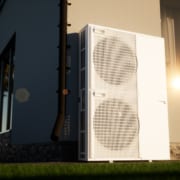
An air-to-water heat pump pulls heat from the outside air, concentrates it using a refrigerant cycle, and transfers that heat into water that circulates through a home’s hydronic heating system. Instead of heating air like a traditional air-source heat pump, these systems produce hot water that can be used with radiators, baseboard heating, or radiant floor systems.

For homes that already use boilers, that makes integration much simpler. Rather than replacing the boiler entirely, the heat pump can work alongside it.

Why They Work Well During the Shoulder Season

Heating needs change dramatically between seasons in Michigan. During the coldest winter months, boilers remain one of the most reliable ways to keep homes warm. But during the shoulder seasons, when temperatures are cool but not extreme, an air-to-water heat pump can often handle the heating load more efficiently.

In those conditions, a heat pump can provide much of the heat needed without requiring the boiler to run as frequently. This hybrid approach can help reduce fuel use while still keeping the reliability of a traditional boiler system when temperatures drop well below freezing.

What Is the Shoulder Season?

In Northern Michigan, the shoulder season refers to the weeks between the coldest part of winter and the warmest part of summer. These periods usually occur in early fall and late spring, when temperatures are cool but not extremely cold.

During these months, homes still need heat, but not at the full capacity required in January or February. Outdoor temperatures might range from the 40s to the low 60s during the day, with cooler nights. Because heating demand is lighter, this is when technologies like air-to-water heat pumps can operate very efficiently.

For many boiler homes, a heat pump can handle much of the heating during these moderate periods, while the boiler remains available to provide reliable heat when temperatures drop well below freezing.

A Good Fit for Homes with Hydronic Heating

Air-to-water heat pumps are particularly accessible for homeowners who already have:

  • Radiator systems
  • Baseboard hydronic heat
  • Radiant floor heating
  • Modern high-efficiency boilers

These systems rely on circulating heated water through the home, which makes them compatible with the type of heat produced by an air-to-water heat pump. Manufacturers like Weil-McLain have been expanding their offerings in this area as interest in hybrid heating systems grows.

Local Support and Distribution

Another reason these systems are becoming more practical is improved access to equipment and parts through regional distributors. In Alpena, companies like RA Townsend help supply contractors with hydronic heating equipment and components needed for modern boiler systems and emerging technologies like air-to-water heat pumps. Having access to local distribution helps ensure installations and maintenance can be handled efficiently.

Is an Air-to-Water Heat Pump Right for Your Home?

Because this technology is still evolving, it is not the right fit for every home. If you’re considering it for your home, before you decide, factor in:

  • Your insulation levels
  • Type of heating system already installed in your home
  • Size of your home 

For many homeowners, the most practical approach may be a hybrid system where the heat pump handles moderate temperatures and the boiler provides reliable heat during the coldest winter days. As interest in energy efficiency grows, systems like this may become more common in Northern Michigan homes.

Talk to a Local Heating Professional

If you have a boiler system and are curious about new heating options, Weinkauf Plumbing & Heating can help you understand what technologies are available and whether they make sense for your home. Our team has decades of experience working with hydronic heating systems across Northeast Michigan and can help you make informed decisions about upgrades and efficiency improvements.

Contact Weinkauf Plumbing & Heating today to learn more about boiler systems, hybrid heating options, and the latest developments in home heating technology.


Why Your Home Feels Stuffy in Winter and How Ventilation Fixes It

Why Your Home Feels Stuffy in Winter and How Ventilation Fixes It

When winter settles into Michigan and the temperatures stay below freezing for weeks at a time, most homeowners try to seal their homes up as tightly as possible to conserve heat, save money, and stay comfortable. They seal up drafts, shut the windows tight, and rely on their heating system to keep the house warm. After a few weeks of this, though, something can start to feel off.

The air feels heavy. Cooking smells linger longer than they should. Your windows might collect condensation, or your house feels stale no matter what temperature you set your thermostat at.

If your home feels stuffy in winter, you’re not alone. This is one of the most common indoor comfort complaints homeowners have during the coldest months of the year.

And in many cases, your furnace is not the real issue.

Why Winter Air Starts to Feel Stale

During the winter, your home becomes a sealed box. That is intentional because you want to keep the cold air out and the warm air in to survive the chill. The problem is that when fresh air stops coming in, stale air also stops going out.

Your furnace heats the air that is already inside your home. It does not bring in fresh air from outdoors. So the same air continues to circulate over and over again. Over time, that trapped indoor air can start to feel:

  • Stale or heavy
  • Musty or filled with lingering odors
  • Irritating to allergies or sinuses
  • Low in freshness and circulation

In older homes that were less insulated or air tight, natural air leaks used to allow some exchange between indoor and outdoor air. Today’s homes are more energy efficient and much tighter. This is good for your heating bills, but it’s not always good for ventilation.

Signs You May Have a Ventilation Problem

If your home feels stuffy in winter, you might also notice a few other clues. Windows may develop condensation even when humidity levels seem normal. Bathrooms may take longer to clear out steam after showers. You might still smell those onions you sauteed with dinner at bedtime.

Some homeowners even report mild headaches, fatigue, or an overall sense that the air feels harder to breathe. While these symptoms can have many causes, poor home ventilation often plays a role.

In Northern Michigan, where our homes stay sealed for months at a time, these issues tend to build up gradually through the winter season. You may not notice them right away, but when you do, you really do.

The Role of Ventilation in Indoor Comfort

Ventilation is simply the controlled exchange of indoor and outdoor air. It allows stale air to leave the house while bringing in fresh air from outside. In the summer, this happens naturally when windows are open. In winter, opening windows is not practical, so this is where proper ventilation systems come in.

Basic ventilation can include kitchen and bathroom exhaust fans that remove moisture and odors. However, these systems only remove air. They do not bring fresh air back in.

For many homes, especially newer or well insulated ones, a more balanced approach works best.

How an HRV Can Improve Winter Air Quality

One of the most effective solutions for stale winter air is a Heat Recovery Ventilator, often called an HRV.

An HRV system works by pulling stale indoor air out of the home while bringing fresh outdoor air in at the same time. The system transfers heat from the outgoing air to the incoming air so you do not lose the warmth you have already paid to produce.

This is especially helpful in Michigan’s climate, where outside air can be extremely cold for extended periods. An HRV allows you to improve indoor air quality in winter without sacrificing comfort or efficiency.

Homeowners who install a whole home ventilation system often notice:

  • Fresher, cleaner feeling air
  • Fewer lingering odors
  • More balanced humidity levels
  • Reduced window condensation

Adding an HRV to your home is not about heating more. It is about breathing better, fresher air.

Sometimes It Is Not the Furnace

When your home feels uncomfortable in winter, you may think something is wrong with your furnace. In many cases, the furnace is doing exactly what it is supposed to do: producing heat. The missing piece is airflow and fresh air exchange.

A professional evaluation can help determine whether your issue is related to ventilation, humidity balance, ductwork airflow, or heating performance. Often, small adjustments or the addition of a ventilation system can make a noticeable difference in your overall comfort.

Breathe Easier This Winter

Winter is a challenging season, and indoor air quality may not be the first thing on your list when you think of overall comfort. But fresh air matters, and it’s possible to have fresh air in your home even when it is freezing outside.

If the air in your home feels stuffy this winter, you do not have to just live with it. Call Weinkauf Plumbing & Heating to schedule a ventilation and indoor air quality evaluation. We serve homeowners in Alpena, Oscoda, and throughout Northeast Michigan, and we are here to help you stay comfortable all year long.


How to Prevent Frozen Pipes in Crawl Spaces and Basements

The challenges of winter in Northern Michigan aren’t just snowdrifts and slippery roads, they can also include frozen pipes, especially in the most vulnerable parts of your home like crawl spaces and basements. At Weinkauf Plumbing & Heating, we get a lot of winter calls from homeowners dealing with burst or frozen pipes in hard-to-reach places.

If you want to avoid major water damage, a no-heat emergency, or a plumbing bill you didn’t plan for, here’s what you need to know about preventing frozen pipes in places you might not think about.

Why Crawl Spaces and Basements Are High-Risk Areas

Crawl spaces, basements, and utility rooms are often less insulated than the rest of your home. These areas are largely uninhabited, so no one worries if they are uncomfortable or not. When the temperature drops below freezing, the water in your pipes can freeze. And when water freezes, it expands. That expansion can cause pipes to crack or burst, even if you’ve never had a problem before.

This doesn’t only happen in older homes either. Any unheated or poorly sealed area is at risk if temps drop low enough for long enough. Sub-zero temperatures, created by weather phenomena like polar vortexes, create exactly the kinds of conditions for pipes to freeze and burst – just when you don’t need one more thing to solve.

Warning Signs You May Be at Risk

  • You have exposed plumbing in an unheated crawl space
  • Your basement feels colder than usual, especially near exterior walls
  • You’ve had frozen pipes in the past
  • You notice frost or condensation forming on pipes

How to Protect Pipes in Crawl Spaces and Basements

1. Insulate Exposed Pipes

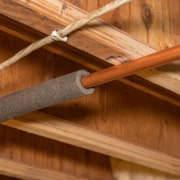
Wrap pipes in foam pipe insulation, which you can find at any hardware store. For extremely cold areas, consider heat tape or heat cables that plug into a standard outlet and provide gentle warmth.

2. Seal Air Leaks

Use caulk or spray foam to seal gaps and cracks in crawl space walls or basement windows. Cold air seeping in around pipes or vents is one of the biggest causes of freezing.

3. Keep the Heat On

Even if your basement isn’t finished, don’t close the vents or shut off heat to that area. A few extra degrees can make all the difference on a subzero night.

4. Add a Crawl Space Door or Insulation Barrier

If your crawl space is exposed to the elements, adding a properly sealed access door or installing a vapor barrier on the ground can help retain heat and block freezing air.

5. Let Faucets Drip During Deep Freezes

If a cold snap is on the way, let the faucet farthest from your water heater drip slowly overnight. This keeps water moving in the pipes, which helps prevent freezing.

6. Use a Space Heater Safely

In extreme cold, placing a small, thermostatically-controlled space heater in the basement or crawl space can help. Be sure to use caution and follow all safety guidelines.

What to Do If You Think a Pipe Froze

Preventative Plumbing Inspections

If you’re not sure whether your pipes are protected, or you’ve had issues with frozen pipes before, we offer plumbing inspections to identify vulnerable areas and suggest improvements before any part of your plumbing becomes a major headache. 

Don’t Wait Until It’s Too Late

Frozen pipes are more than an inconvenience, they can cause thousands of dollars in water damage and interrupt your heat or water supply when you need it most. Whether you’re in Alpena, Oscoda, or anywhere in Northeast Michigan, Weinkauf Plumbing & Heating can help you winter-proof your home’s plumbing.

Call us today at (989) 354-5427 to schedule a plumbing inspection or for emergency service.

What to Check When Your Gas Furnace Isn’t Heating

Winter showed up fast this year in Michigan, even before Thanksgiving, catching a lot of home and business owners off guard. Unusually cold temperatures and early snowfall arrived before many people had a chance to prepare, putting furnaces to the test sooner than expected. When the weather turns this cold this quickly, even reliable gas furnaces can struggle if something small is off. That’s why Weinkauf Plumbing & Heating is here, to help people whose heat isn’t working quite right, or not working at all.

When the temperatures in Alpena and Oscoda drop, one of the more stressful things you can deal with is a gas furnace that suddenly stops working. Every winter, our team at Weinkauf Plumbing & Heating handles hundreds of calls from locals whose heat has failed. But, while many furnace issues do require professional repair, others are surprisingly easy to fix yourself.

If your gas furnace isn’t heating like it should, here are a few things to check before you call us for service.

1. Change That Air Filter

A clogged or dirty furnace filter is one of the most common causes of poor heating performance or complete furnace shutdown. If your furnace can’t pull in enough air, it can overheat and shut off automatically as a safety precaution.

That clogged air filter in your furnace could be full of more than just dust. Over time, it collects pet hair, pollen, mold spores, lint, and even tiny particles of insulation or construction debris. In some cases, bacteria and allergens can build up in the filter, making your indoor air feel stale or irritating your allergies. A dirty filter doesn’t just block airflow, it can lower your home’s air quality while forcing your furnace to work harder than it should.

What to do:

  • Check your filter monthly during the winter.
  • Replace it if it looks dirty or clogged.
  • Set a reminder on your phone or your calendar so you don’t forget.

A clean filter helps your furnace run more efficiently and extends its lifespan.

2. Make Sure the Thermostat Has Power

If your furnace isn’t turning on at all, the problem could be as simple as dead thermostat batteries. Many digital thermostats require AA or AAA batteries to operate, and they don’t always warn you before failing.

Also check:

  • That the thermostat is set to HEAT
  • The temperature is set higher than the current room temp
  • The circuit breaker hasn’t tripped

3. Check Your Propane Tank

For customers outside city limits, propane-powered furnaces are common, and so is running out of fuel in the middle of a cold snap. Before calling your HVAC technician, check your propane tank’s gauge. Even if it’s not empty, if you’re below 20%, it’s time to schedule a refill.

4. Look for Blocked Vents Inside and Out

Sometimes the problem isn’t with the furnace itself, it’s the airflow in and out of your home. If vents are blocked, your system can overheat or shut down early. Check:

  • Are floor or wall vents blocked by rugs, furniture, or toys?
  • Is the area around your furnace clear? (Keep it at least 3 to 6 feet clear.)
  • Are the furnace’s exterior intake/exhaust pipes blocked by snow, ice, or leaves?

Blocked exterior vents are a common cause of furnace trouble in winter, especially after a heavy snow. Your furnace needs clear intake and exhaust vents to operate safely and efficiently. If snow, ice, leaves, or even animal nests block these openings, it can trigger your system to shut down automatically to prevent dangerous buildup of combustion gases like carbon monoxide.

Regularly checking and clearing these vents can help prevent unexpected breakdowns and keep your home safe and warm.

5. Don’t Ignore Short Cycling or Strange Noises

If your furnace is turning on and off rapidly or making new clunking, clicking, or squealing sounds, don’t wait to call us. These are early signs of a mechanical problem.

Short cycling can lead to:

  • Excessive wear on parts
  • Incomplete heating cycles
  • Higher utility bills
  • Risk of long-term furnace damage

When to Call Weinkauf Plumbing & Heating

furnace failure - gas furnace isn't heating

If you’ve tried the checklist above and your furnace still isn’t heating properly, it’s time to call the pros. Our team can help with:

  • Igniter or flame sensor problems
  • Malfunctioning burners or limit switches
  • Cracked heat exchangers
  • Gas line issues
  • Diagnosing thermostat wiring faults

We service gas furnaces of all makes and models throughout Alpena, Oscoda, and surrounding areas. And if your heat goes out in the middle of the night, we offer emergency service when you need it most.

Keep Your Winter Worry-Free

If your gas furnace is not heating, start with this checklist, and don’t wait until your home or business is freezing. You do not need frozen pipes on top of a malfunctioning furnace. Routine maintenance and early attention to small issues can help you avoid a costly breakdown when temperatures drop below zero.

Contact Weinkauf Plumbing & Heating or call us directly at (989) 354-5427. We’ll help you keep your home or business safe, warm, and comfortable all winter long.

Skilled Trades Jobs in Northern Michigan: A Path to a Strong Career

You’re not alone if you’ve been searching for “skilled trades jobs near me” – not at all. With college tuition costs rising and hands-on careers in high demand, more people in Alpena, Oscoda, and across Northern Michigan are turning to the skilled trades for stable, well-paying work.

At Weinkauf Plumbing & Heating, we’re proud to be part of that movement. Whether you’re just starting out or considering a career change, opportunities in plumbing, HVAC, and mechanical systems are growing, and they offer a future you can build with your own hands.

Why Skilled Trades Matter More Than Ever

Skilled tradespeople are the backbone of our homes and communities. They’re the ones keeping the heat on, the water flowing, and the air clean–literally. And right now, Michigan is facing a shortage of experienced trades professionals.

Instead of waiting years to land a job in a crowded job market, skilled trades offer a faster route:

  • No expensive degree required
  • Earn while you learn through apprenticeships
  • Hands-on work that makes a real impact
  • High job security and demand
  • Opportunities to start your own business

As Luke Gerhart, owner of Weinkauf Plumbing & Heating, told The Alpena News,

“There’s always going to be a need there… In Northern Michigan, we’re always going to need heat in the winter, and we’re always going to need plumbing.”

Apprenticeship Programs Open the Door

Weinkauf Plumbing & Heating was recently recognized for its role in developing local talent through apprenticeship programs. These programs are perfect for young people or career changers looking for a clear path into the trades.

Here’s what you get in an HVAC or plumbing apprenticeship:

  • Paid on-the-job training
  • Structured learning from experienced mentors
  • Certification options
  • Long-term career pathways in mechanical and technical fields

We partner with Michigan Works! Northeast Consortium to support USDOL-registered apprenticeship programs, the gold standard for quality training.

Stacy Gerhart emphasized the local impact:

“That’s really what it boils down to… we’re training our own employees, which is very important, so that our company can continue to thrive.

“Our biggest tagline for our company is we’re local. The people here are local, we’re from Alpena, they’re from Alpena. That’s what we pride ourselves in is being locally owned and able to sustain 30 employees and growing.”

Skilled Trades Jobs We Offer

If you’re in Alpena, Oscoda, or anywhere in Northeast Michigan, Weinkauf is hiring for skilled trades positions. Even if you have no formal experience, we’re always looking for reliable, motivated individuals who are eager to learn.

We hire for:

  • HVAC apprentices and technicians
  • Plumbing apprentices and licensed plumbers
  • Boiler and mechanical systems service techs

We’re not just offering jobs, we’re offering a career. Many of our team members started with no prior experience and are now running their own service calls, managing projects, or mentoring the next generation.

What It’s Like to Work in the Skilled Trades

Skilled trades work offers variety, independence, and the satisfaction of solving problems every day. One day you might be diagnosing a furnace in an older home in Alpena, and the next you could be helping a small business in Oscoda fix a leaky water heater.

Plus, these jobs don’t disappear, they grow. People will always need heating, cooling, and clean water. That means consistent work year-round and a career that can’t be outsourced abroad or lost to AI.

Looking for “Skilled Trades Jobs Near Me”?

Stop Googling and start applying. If you’re in Alpena, Oscoda, or the surrounding counties, Weinkauf Plumbing & Heating is always looking for people who want to work hard, learn the trade, and build a future.

Call us, visit our Careers page to see current job openings, or ask about our apprenticeship opportunities today.

Weinkauf Honored for Championing Apprenticeship Excellence in Northern Michigan

Weinkauf Plumbing & Heating, a trusted name in Northeast Michigan since 1959, was recently recognized with a championship award for its outstanding contributions to the Northern Michigan apprenticeship program. The award celebrates the company’s dedication to fostering skilled trades and investing in the future of local youth.

Decades of Dedication to Skilled Trades

For over six decades, Weinkauf Plumbing & Heating has served the region with integrity, professionalism, and a deep commitment to community values. This latest recognition underscores the company’s proactive role in addressing the skilled labor shortage. They are mentoring and training the next generation of tradespeople.

“Our team believes in building more than just heating and plumbing systems—we’re building futures,” said Luke Gerhart, owner of Weinkauf Plumbing & Heating. “We’re proud to help young people in our community gain hands-on experience, develop valuable skills, and find meaningful career paths right here in Northern Michigan.”

Weinkauf receives apprenticeship award from MichiganWorks! for mentoring in Northern Michigan

Recognized at Michigan Works! Northeast Consortium’s “Race to Talent”

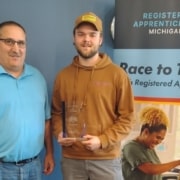
Among those leading the way is Hutch Gibbons, an HVAC Technician Apprentice at Weinkauf. Gibbons was recognized alongside Gerhart at the Michigan Works! Northeast Consortium’s “Race to Talent” event held at the Otsego County Library. The event honored employers who are making significant strides in workforce development through Registered Apprenticeship Programs.

Jeremiah Johnson, Apprenticeship Specialist with Michigan Works! Northeast Consortium, emphasized the company’s unique role in the region: “In the eight counties we cover in Northeast Michigan, Weinkauf Plumbing & Heating is the only company providing an HVAC Apprenticeship program under Michigan Works! Northeast Consortium’s standards for the USDOL registered apprenticeship.”

Inside the Apprenticeship Program at Weinkauf

Our apprenticeship program has become a cornerstone of the company’s workforce development strategy, offering structured training, mentorship, and real-world job experience. By partnering with local schools and trade organizations, Weinkauf Plumbing & Heating continues to create opportunities for youth to thrive in the skilled trades.

Proud to Train: Weinkauf’s Ongoing Mission

As the company looks ahead, its mission remains clear: to serve Northeast Michigan with excellence while empowering the next generation to carry the torch of craftsmanship and community service.

Is a Boiler Heating System Right for Your Northern Michigan Home?

If your home or business doesn’t have ductwork or if you’re tired of uneven heat and dry air from a forced-air furnace, a boiler heating system could be your perfect solution this winter. Here we’ll break down how boilers work, why they’re ideal for Michigan winters, and how to tell if a boiler is right for your home or business.

What Is a Boiler Heating System?

A boiler system heats water instead of air and circulates that hot water through a system of radiators, baseboard heaters, or in-floor piping. This method creates steady, even heat throughout your home or building, and there’s no blowing air or dusty vents involved.

Why Boilers Work So Well in Northern Michigan

Here’s why homeowners and business owners alike choose boilers, especially in older or ductless buildings:

Steady, Comfortable Heat

Hydronic systems radiate warmth evenly through rooms, so there are no more hot and cold spots on your home or building. 

Great for Ductless Homes

Many older buildings in Michigan were built without ductwork. Installing a boiler system means that you do not need to do major renovation to your building, adding a vent system or air returns. 

Less Air Movement = Cleaner Indoor Air

Boilers don’t blow allergens, dust, or pet dander around the house. If you have allergies or asthma, your lungs will thank you all winter. 

Quiet Operation

Boilers operate silently. They don’t kick on and off like a furnace blower, and you’ll get used to the peaceful sound of silence.

Compatible with Radiators and In-Floor Heating

Whether you love the vintage look of cast-iron radiators or the luxury of radiant floors, a boiler can accommodate your design aesthetic and keep you toasty warm at the same time.

Is It Time to Replace Your Boiler?

Boiler heating systems typically last a bit longer than forced air systems. When well maintained with annual service and proper water treatment, they often last 20 to 30 years or more. This is because boilers have fewer moving parts compared to furnaces, so there’s less mechanical wear over time.

Because boiler systems use hot water or steam rather than blowers, they can operate in a gentler way and suffer less from distribution losses like duct leaks and fans constantly cycling. Both of these can stress the mechanics of a system.

If your current boiler is getting to the end of its life cycle, you might be due for an upgrade. Look out for these signs:

  • Uneven or unreliable heat
  • Rising utility bills
  • Leaking or rusting equipment
  • Loud banging or clunking noises
  • Frequent repairs

Today’s high-efficiency boilers use less fuel, heat faster, and last longer, so upgrading could save you money in the long run.

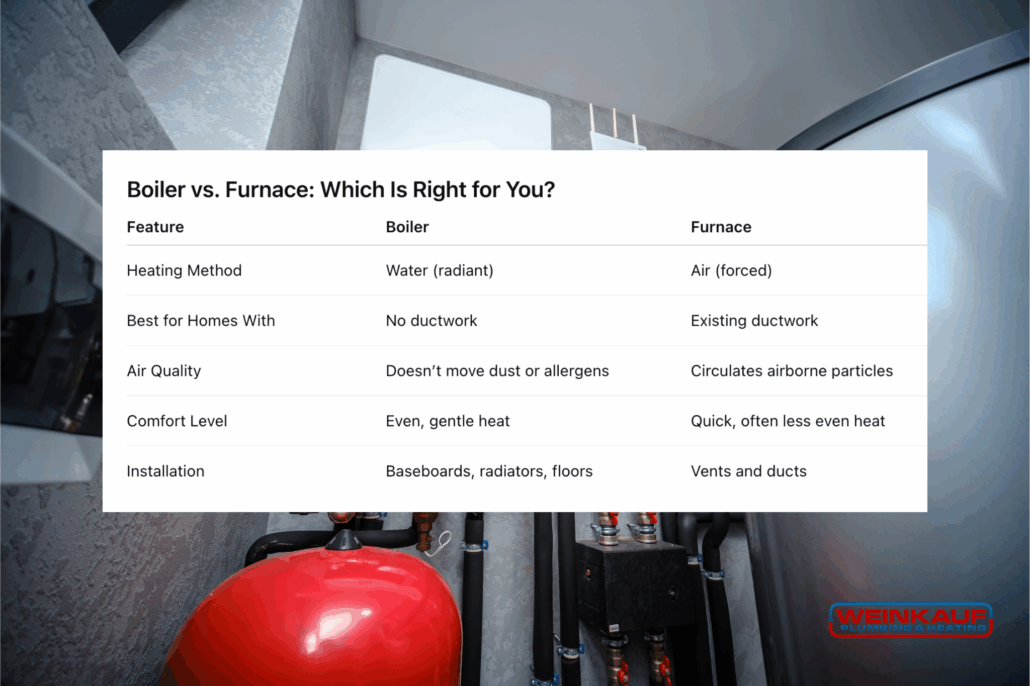
Boiler or Furnace? 

Both systems have their pros. But if you’re building new, remodeling, or looking for reliable heat in a ductless home, a boiler could be the better fit. Here’s a handy guide to help you decide which might be best for your home or business. 

Boiler vs. Furnace

Weinkauf carries boiler systems made by Lochinvar and Weil-McLain. These are two of the most trusted names in boiler technology, and both of these manufacturers’ boiler products offer reliable, energy-efficient heating built to handle tough winters.

Need Boiler Service in Alpena or Oscoda?

At Weinkauf Plumbing & Heating, we install, repair, and maintain boiler systems for homes and businesses in Alpena, Oscoda, and across Northeast Michigan. We’ll help you choose the right system for your space and budget – whether that’s a boiler, a furnace, or a fireplace – so you’ll stay warm all through the coldest, darkest months of the year.

Call us today for a boiler consultation or replacement quote. We’re happy to help with new installations, routine maintenance, or emergency repairs.

It’s Time for Your Furnace Checkup

Fall is here, the leaves have turned, and a chill is in the air. For most people in Michigan, this is the point in the year when their furnace starts to make a very important difference in the quality of their lives. How confident are you that your furnace will work consistently for you through the winter? If you have doubts or would like to avoid a furnace breakdown in the middle of a polar vortex, now is the time to get a furnace checkup. You’re going to want to have the peace of mind regular HVAC maintenance can give you this winter season.

What Happens When Your Furnace Fails

It’s easy to take your heating and cooling systems for granted. When they work the way they are supposed to, your home or business is comfortable – a pleasant place to work or relax. If they break down…that’s when you realize how much you depend on them.

When your furnace fails, the air temperature in your home or business will slowly begin to equalize with the temperature outdoors. If it fails in October, you will be chilly until you can get a professional out to repair it. If it fails in January, you’re going to get very cold, and you may have to find somewhere else to sleep or stay until it’s fixed. The average high temperature in Alpena in Michigan is between 18°F and 26°F. A portable heater or two is not going to keep you and your family warm. 

An even more dangerous possibility with a furnace fail is a carbon monoxide leak. This can result in symptoms such as lethargy, dizziness, headaches, nausea, and vomiting. In the middle of winter, no one has the windows open to let in fresh air, and carbon monoxide poisoning can be a real threat. 

The above reasons are why HVAC professionals recommend having your furnace inspected and maintained every fall. 

Benefits of a Furnace Checkup 

There are many benefits of having your furnace inspected and maintained. First and foremost, there’s the safety aspect. A blocked vent or a cracked heat exchanger can cause a carbon monoxide leak. Prolonged exposure to sub-zero temperature can also cause health problems, particularly for medically fragile people, older people, and young children. 

Secondly, having maintenance performed on your system regularly will save you from more costly repairs. A smaller mechanical issue that goes unfixed can lead to larger, more expensive repairs down the line. Regular maintenance can reduce the risk of furnace breakdown by up to 95%. A furnace is an investment in your own comfort. It’s not a cheap piece of machinery. If you can add to its lifespan by performing annual service, it will save you money overall. 

A furnace that operates efficiently will also lower your utility bills. The more build up your furnace has, the harder it has to work to do its job. In an era of rising energy costs, you want to keep those costs down in any way that you can. Who doesn’t want to save money?

If you neglect your furnace maintenance, you are courting problems. Michigan has long winters, and your furnace is your friend. Take good care of it, and it will perform well and keep you warm and cozy for many years. If you are concerned about how reliable your furnace will be in the coming months, call Weinkauf Plumbing & Heating to schedule a furnace checkup. We will be happy to take care of any of your HVAC needs.