Should You Turn Off Your Boiler in Spring?

After a long Northern Michigan winter, homeowners in Alpena and Oscoda are more than ready to stop paying for heat. We’re ready to open our windows and bask in the natural warmth of that yellow thing in the sky. As temperatures finally begin to rise in May, you might be wondering if you can turn your boiler off now. And, if not right now, when?

The answer depends on your home, your heating system, and what your boiler is responsible for besides heat. In many cases, shutting it down completely may not be your best option. Here is what homeowners should know before flipping that switch off.

Some Boilers Do More Than Heat Your Home

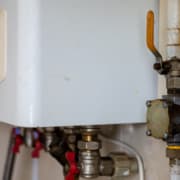
One of the biggest misconceptions about boiler systems is that they only provide heat for radiators or baseboard heating. Many boiler systems also produce your home’s hot water.

If your boiler supplies hot water for showers, sinks, laundry, or dishwashing, turning it off completely will leave you without hot water entirely. Not ideal.

This setup is especially common in older homes that use hydronic heating systems. So before shutting your boiler down for the season, it is important to know exactly what systems in your home it supports.

Spring Temperatures in Northern Michigan Can Change Quickly

Even though May feels like spring, Northern Michigan weather is unpredictable. Temperatures can swing dramatically from one week to the next. A sunny 65-degree afternoon will often turn into a frosty 35-degree night.

That is why many homeowners keep their boiler system operational well into late spring. Rather than shutting the boiler off completely, it may be better to simply lower the thermostat or allow the system to run only when needed during cooler mornings and evenings. This approach helps maintain overall comfort while reducing unnecessary energy use.

Is It Okay to Shut a Boiler Off Completely?

In some situations, yes.

If your boiler is used strictly for heat and your home no longer needs heating during warmer weather, it may be reasonable to turn it off for the season. However, you should still consider:

  • Older boiler systems may benefit from periodic operation to prevent parts from seizing
  • Some systems have circulating pumps that should occasionally run
  • Completely shutting down a neglected system can sometimes make startup issues more likely in the fall

If you are unsure about your specific boiler setup, it is always a good idea to ask a professional before shutting the system down entirely. 

Spring Is Actually a Great Time for Boiler Maintenance

One of the best things homeowners can do in spring is schedule boiler maintenance before next winter arrives. After working hard through another long heating season, boilers can develop buildup, wear, or small issues that are easier and less expensive to address now rather than during a January cold snap.

Spring boiler maintenance can include:

  • Checking system pressure
  • Inspecting pumps and valves
  • Looking for leaks or corrosion
  • Cleaning components
  • Testing controls and safety systems

Scheduling service during the offseason can also mean more flexible appointment availability before the busy winter rush begins again. 

Watch for Signs Your Boiler Needs Attention

Even if your system is still operating normally, spring is a good time to pay attention to warning signs that may indicate maintenance or repairs are needed. Watch for:

  • Uneven heating
  • Strange noises like banging or gurgling
  • Leaks around the boiler
  • Rising energy bills
  • Slow heating performance

These issues may seem minor now, but they can become major problems once cold weather returns.

Boiler Systems Remain a Reliable Heating Option in Northern Michigan

Boiler systems continue to be popular throughout Michigan because they provide steady, comfortable heat and perform well during harsh winters. Many homeowners appreciate the quiet operation and consistent warmth that hydronic heating systems provide, especially in older homes without traditional ductwork. Whether your boiler is brand new or decades old, proper maintenance and seasonal care can help extend its lifespan and improve efficiency.

New Heating Options for Boiler Homes

As heating technology evolves, some homeowners with boiler systems are also starting to explore newer options like air-to-water heat pumps. These systems can work alongside traditional boilers by helping provide efficient heat during the spring and fall shoulder seasons, when temperatures are cool but not severely cold. Instead of replacing the boiler entirely, the heat pump can help reduce how often the boiler needs to run during milder weather.

This type of hybrid setup offers an interesting way to improve efficiency while still relying on the dependable performance of a boiler during the coldest winter months.

Need Boiler Service This Spring?

If you are unsure whether to turn off your boiler in spring or want to schedule seasonal maintenance, Weinkauf Plumbing & Heating can help. We service and install boiler systems throughout Alpena, Oscoda, and Northern Michigan, including hydronic heating systems from trusted manufacturers like Weil-McLain and Lochinvar.

Contact Weinkauf Plumbing & Heating today to schedule a boiler inspection or seasonal maintenance appointment or to discuss other heating and cooling options for your home. We are here to keep you and your family comfortable in winter, spring, summer and fall!

Air-to-Water Heat Pumps: A New Option for Boiler Homes in Northern Michigan

Many homes across Northern Michigan rely on boiler systems for heat. Hydronic heating systems are reliable, comfortable, and well suited for our colder climate. But newer technology is starting to give homeowners additional options to improve their energy efficiency and reduce their heating costs, especially during the milder months of fall and spring. One of those technologies is the air-to-water heat pump.

While this system is still relatively new in the United States, it is becoming increasingly popular during the shoulder seasons.

What Is an Air-to-Water Heat Pump?

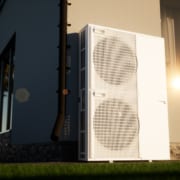
An air-to-water heat pump pulls heat from the outside air, concentrates it using a refrigerant cycle, and transfers that heat into water that circulates through a home’s hydronic heating system. Instead of heating air like a traditional air-source heat pump, these systems produce hot water that can be used with radiators, baseboard heating, or radiant floor systems.

For homes that already use boilers, that makes integration much simpler. Rather than replacing the boiler entirely, the heat pump can work alongside it.

Why They Work Well During the Shoulder Season

Heating needs change dramatically between seasons in Michigan. During the coldest winter months, boilers remain one of the most reliable ways to keep homes warm. But during the shoulder seasons, when temperatures are cool but not extreme, an air-to-water heat pump can often handle the heating load more efficiently.

In those conditions, a heat pump can provide much of the heat needed without requiring the boiler to run as frequently. This hybrid approach can help reduce fuel use while still keeping the reliability of a traditional boiler system when temperatures drop well below freezing.

What Is the Shoulder Season?

In Northern Michigan, the shoulder season refers to the weeks between the coldest part of winter and the warmest part of summer. These periods usually occur in early fall and late spring, when temperatures are cool but not extremely cold.

During these months, homes still need heat, but not at the full capacity required in January or February. Outdoor temperatures might range from the 40s to the low 60s during the day, with cooler nights. Because heating demand is lighter, this is when technologies like air-to-water heat pumps can operate very efficiently.

For many boiler homes, a heat pump can handle much of the heating during these moderate periods, while the boiler remains available to provide reliable heat when temperatures drop well below freezing.

A Good Fit for Homes with Hydronic Heating

Air-to-water heat pumps are particularly accessible for homeowners who already have:

  • Radiator systems
  • Baseboard hydronic heat
  • Radiant floor heating
  • Modern high-efficiency boilers

These systems rely on circulating heated water through the home, which makes them compatible with the type of heat produced by an air-to-water heat pump. Manufacturers like Weil-McLain have been expanding their offerings in this area as interest in hybrid heating systems grows.

Local Support and Distribution

Another reason these systems are becoming more practical is improved access to equipment and parts through regional distributors. In Alpena, companies like RA Townsend help supply contractors with hydronic heating equipment and components needed for modern boiler systems and emerging technologies like air-to-water heat pumps. Having access to local distribution helps ensure installations and maintenance can be handled efficiently.

Is an Air-to-Water Heat Pump Right for Your Home?

Because this technology is still evolving, it is not the right fit for every home. If you’re considering it for your home, before you decide, factor in:

  • Your insulation levels
  • Type of heating system already installed in your home
  • Size of your home 

For many homeowners, the most practical approach may be a hybrid system where the heat pump handles moderate temperatures and the boiler provides reliable heat during the coldest winter days. As interest in energy efficiency grows, systems like this may become more common in Northern Michigan homes.

Talk to a Local Heating Professional

If you have a boiler system and are curious about new heating options, Weinkauf Plumbing & Heating can help you understand what technologies are available and whether they make sense for your home. Our team has decades of experience working with hydronic heating systems across Northeast Michigan and can help you make informed decisions about upgrades and efficiency improvements.

Contact Weinkauf Plumbing & Heating today to learn more about boiler systems, hybrid heating options, and the latest developments in home heating technology.


What to Check When Your Gas Furnace Isn’t Heating

Winter showed up fast this year in Michigan, even before Thanksgiving, catching a lot of home and business owners off guard. Unusually cold temperatures and early snowfall arrived before many people had a chance to prepare, putting furnaces to the test sooner than expected. When the weather turns this cold this quickly, even reliable gas furnaces can struggle if something small is off. That’s why Weinkauf Plumbing & Heating is here, to help people whose heat isn’t working quite right, or not working at all.

When the temperatures in Alpena and Oscoda drop, one of the more stressful things you can deal with is a gas furnace that suddenly stops working. Every winter, our team at Weinkauf Plumbing & Heating handles hundreds of calls from locals whose heat has failed. But, while many furnace issues do require professional repair, others are surprisingly easy to fix yourself.

If your gas furnace isn’t heating like it should, here are a few things to check before you call us for service.

1. Change That Air Filter

A clogged or dirty furnace filter is one of the most common causes of poor heating performance or complete furnace shutdown. If your furnace can’t pull in enough air, it can overheat and shut off automatically as a safety precaution.

That clogged air filter in your furnace could be full of more than just dust. Over time, it collects pet hair, pollen, mold spores, lint, and even tiny particles of insulation or construction debris. In some cases, bacteria and allergens can build up in the filter, making your indoor air feel stale or irritating your allergies. A dirty filter doesn’t just block airflow, it can lower your home’s air quality while forcing your furnace to work harder than it should.

What to do:

  • Check your filter monthly during the winter.
  • Replace it if it looks dirty or clogged.
  • Set a reminder on your phone or your calendar so you don’t forget.

A clean filter helps your furnace run more efficiently and extends its lifespan.

2. Make Sure the Thermostat Has Power

If your furnace isn’t turning on at all, the problem could be as simple as dead thermostat batteries. Many digital thermostats require AA or AAA batteries to operate, and they don’t always warn you before failing.

Also check:

  • That the thermostat is set to HEAT
  • The temperature is set higher than the current room temp
  • The circuit breaker hasn’t tripped

3. Check Your Propane Tank

For customers outside city limits, propane-powered furnaces are common, and so is running out of fuel in the middle of a cold snap. Before calling your HVAC technician, check your propane tank’s gauge. Even if it’s not empty, if you’re below 20%, it’s time to schedule a refill.

4. Look for Blocked Vents Inside and Out

Sometimes the problem isn’t with the furnace itself, it’s the airflow in and out of your home. If vents are blocked, your system can overheat or shut down early. Check:

  • Are floor or wall vents blocked by rugs, furniture, or toys?
  • Is the area around your furnace clear? (Keep it at least 3 to 6 feet clear.)
  • Are the furnace’s exterior intake/exhaust pipes blocked by snow, ice, or leaves?

Blocked exterior vents are a common cause of furnace trouble in winter, especially after a heavy snow. Your furnace needs clear intake and exhaust vents to operate safely and efficiently. If snow, ice, leaves, or even animal nests block these openings, it can trigger your system to shut down automatically to prevent dangerous buildup of combustion gases like carbon monoxide.

Regularly checking and clearing these vents can help prevent unexpected breakdowns and keep your home safe and warm.

5. Don’t Ignore Short Cycling or Strange Noises

If your furnace is turning on and off rapidly or making new clunking, clicking, or squealing sounds, don’t wait to call us. These are early signs of a mechanical problem.

Short cycling can lead to:

  • Excessive wear on parts
  • Incomplete heating cycles
  • Higher utility bills
  • Risk of long-term furnace damage

When to Call Weinkauf Plumbing & Heating

furnace failure - gas furnace isn't heating

If you’ve tried the checklist above and your furnace still isn’t heating properly, it’s time to call the pros. Our team can help with:

  • Igniter or flame sensor problems
  • Malfunctioning burners or limit switches
  • Cracked heat exchangers
  • Gas line issues
  • Diagnosing thermostat wiring faults

We service gas furnaces of all makes and models throughout Alpena, Oscoda, and surrounding areas. And if your heat goes out in the middle of the night, we offer emergency service when you need it most.

Keep Your Winter Worry-Free

If your gas furnace is not heating, start with this checklist, and don’t wait until your home or business is freezing. You do not need frozen pipes on top of a malfunctioning furnace. Routine maintenance and early attention to small issues can help you avoid a costly breakdown when temperatures drop below zero.

Contact Weinkauf Plumbing & Heating or call us directly at (989) 354-5427. We’ll help you keep your home or business safe, warm, and comfortable all winter long.

Is a Boiler Heating System Right for Your Northern Michigan Home?

If your home or business doesn’t have ductwork or if you’re tired of uneven heat and dry air from a forced-air furnace, a boiler heating system could be your perfect solution this winter. Here we’ll break down how boilers work, why they’re ideal for Michigan winters, and how to tell if a boiler is right for your home or business.

What Is a Boiler Heating System?

A boiler system heats water instead of air and circulates that hot water through a system of radiators, baseboard heaters, or in-floor piping. This method creates steady, even heat throughout your home or building, and there’s no blowing air or dusty vents involved.

Why Boilers Work So Well in Northern Michigan

Here’s why homeowners and business owners alike choose boilers, especially in older or ductless buildings:

Steady, Comfortable Heat

Hydronic systems radiate warmth evenly through rooms, so there are no more hot and cold spots on your home or building. 

Great for Ductless Homes

Many older buildings in Michigan were built without ductwork. Installing a boiler system means that you do not need to do major renovation to your building, adding a vent system or air returns. 

Less Air Movement = Cleaner Indoor Air

Boilers don’t blow allergens, dust, or pet dander around the house. If you have allergies or asthma, your lungs will thank you all winter. 

Quiet Operation

Boilers operate silently. They don’t kick on and off like a furnace blower, and you’ll get used to the peaceful sound of silence.

Compatible with Radiators and In-Floor Heating

Whether you love the vintage look of cast-iron radiators or the luxury of radiant floors, a boiler can accommodate your design aesthetic and keep you toasty warm at the same time.

Is It Time to Replace Your Boiler?

Boiler heating systems typically last a bit longer than forced air systems. When well maintained with annual service and proper water treatment, they often last 20 to 30 years or more. This is because boilers have fewer moving parts compared to furnaces, so there’s less mechanical wear over time.

Because boiler systems use hot water or steam rather than blowers, they can operate in a gentler way and suffer less from distribution losses like duct leaks and fans constantly cycling. Both of these can stress the mechanics of a system.

If your current boiler is getting to the end of its life cycle, you might be due for an upgrade. Look out for these signs:

  • Uneven or unreliable heat
  • Rising utility bills
  • Leaking or rusting equipment
  • Loud banging or clunking noises
  • Frequent repairs

Today’s high-efficiency boilers use less fuel, heat faster, and last longer, so upgrading could save you money in the long run.

Boiler or Furnace? 

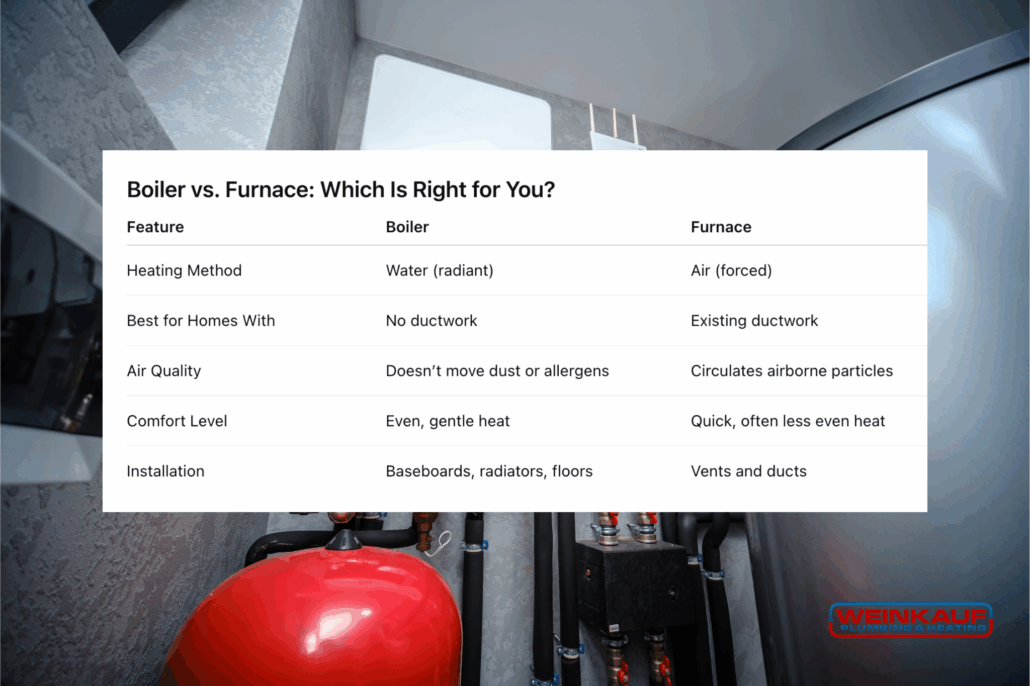
Both systems have their pros. But if you’re building new, remodeling, or looking for reliable heat in a ductless home, a boiler could be the better fit. Here’s a handy guide to help you decide which might be best for your home or business. 

Boiler vs. Furnace

Weinkauf carries boiler systems made by Lochinvar and Weil-McLain. These are two of the most trusted names in boiler technology, and both of these manufacturers’ boiler products offer reliable, energy-efficient heating built to handle tough winters.

Need Boiler Service in Alpena or Oscoda?

At Weinkauf Plumbing & Heating, we install, repair, and maintain boiler systems for homes and businesses in Alpena, Oscoda, and across Northeast Michigan. We’ll help you choose the right system for your space and budget – whether that’s a boiler, a furnace, or a fireplace – so you’ll stay warm all through the coldest, darkest months of the year.

Call us today for a boiler consultation or replacement quote. We’re happy to help with new installations, routine maintenance, or emergency repairs.

It’s Time for Your Furnace Checkup

Fall is here, the leaves have turned, and a chill is in the air. For most people in Michigan, this is the point in the year when their furnace starts to make a very important difference in the quality of their lives. How confident are you that your furnace will work consistently for you through the winter? If you have doubts or would like to avoid a furnace breakdown in the middle of a polar vortex, now is the time to get a furnace checkup. You’re going to want to have the peace of mind regular HVAC maintenance can give you this winter season.

What Happens When Your Furnace Fails

It’s easy to take your heating and cooling systems for granted. When they work the way they are supposed to, your home or business is comfortable – a pleasant place to work or relax. If they break down…that’s when you realize how much you depend on them.

When your furnace fails, the air temperature in your home or business will slowly begin to equalize with the temperature outdoors. If it fails in October, you will be chilly until you can get a professional out to repair it. If it fails in January, you’re going to get very cold, and you may have to find somewhere else to sleep or stay until it’s fixed. The average high temperature in Alpena in Michigan is between 18°F and 26°F. A portable heater or two is not going to keep you and your family warm. 

An even more dangerous possibility with a furnace fail is a carbon monoxide leak. This can result in symptoms such as lethargy, dizziness, headaches, nausea, and vomiting. In the middle of winter, no one has the windows open to let in fresh air, and carbon monoxide poisoning can be a real threat. 

The above reasons are why HVAC professionals recommend having your furnace inspected and maintained every fall. 

Benefits of a Furnace Checkup 

There are many benefits of having your furnace inspected and maintained. First and foremost, there’s the safety aspect. A blocked vent or a cracked heat exchanger can cause a carbon monoxide leak. Prolonged exposure to sub-zero temperature can also cause health problems, particularly for medically fragile people, older people, and young children. 

Secondly, having maintenance performed on your system regularly will save you from more costly repairs. A smaller mechanical issue that goes unfixed can lead to larger, more expensive repairs down the line. Regular maintenance can reduce the risk of furnace breakdown by up to 95%. A furnace is an investment in your own comfort. It’s not a cheap piece of machinery. If you can add to its lifespan by performing annual service, it will save you money overall. 

A furnace that operates efficiently will also lower your utility bills. The more build up your furnace has, the harder it has to work to do its job. In an era of rising energy costs, you want to keep those costs down in any way that you can. Who doesn’t want to save money?

If you neglect your furnace maintenance, you are courting problems. Michigan has long winters, and your furnace is your friend. Take good care of it, and it will perform well and keep you warm and cozy for many years. If you are concerned about how reliable your furnace will be in the coming months, call Weinkauf Plumbing & Heating to schedule a furnace checkup. We will be happy to take care of any of your HVAC needs. 


Why Are Wood Stoves So Popular?

Wood stoves have been a very popular heating option in Northern Michigan for generations, and their popularity continues to grow with Michiganders. Freestanding wood stoves and fireplace inserts provide an efficient, cost-effective, and reliable heat source, making them an especially appealing heating choice during the cold winter months. But what makes them such a popular choice compared to other heating options? Let’s break it down.

6 Practical Reasons for Wood Stoves

Wood stoves are in demand primarily because of their heating efficiency. Freestanding wood stoves generate intense radiant heat, which makes them ideal for warming large spaces. Many wood-stove models are designed to retain and slowly release heat. This means they will keep your home or business warm even after the fire inside has burned out.

If you would like to keep certain areas or zones of your home warmer, instead of running your furnace harder, you might consider installing a wood stove. This way you can add warmth where you need it most, reducing energy waste and lowering your heating costs. Modern EPA-certified wood stoves are more efficient than older models, meaning they burn cleaner and produce more heat with less wood. 

Unlike gas or electric heating systems, wood stoves don’t rely on electricity or fuel supply lines, making them an excellent choice for rural areas or for homes prone to power outages. With a freestanding wood stove, you can count on a dependable heat source even if there’s a blizzard or if an ice storm takes out power lines across the county. They offer you plenty of heat and peace of mind as well. 

Wood stoves are also cost effective. Firewood is often more affordable than electricity, propane, or natural gas, especially if you have access to free or inexpensive wood. And, unlike oil or gas, the cost of wood tends to remain stable, helping homeowners avoid unpredictable energy costs. Also, a well-maintained wood stove can last not years, but decades, making it a solid long-term investment for a homeowner.

From an environmental standpoint, firewood is a sustainable, locally available fuel source that, when sourced responsibly, is considered carbon-neutral, as trees absorb as much carbon dioxide during their lifetime as they release when burned. Modern wood stoves burn cleaner, producing less smoke and creosote buildup while maximizing heat output. 

Unlike traditional fireplaces, freestanding wood stoves can be installed in a variety of locations within the home. They don’t require an existing chimney and can be vented through the roof or a wall, providing more options for placement. 

The Wood-Stove Aesthetic

A freestanding wood stove isn’t just a heat source—it creates a warm, inviting atmosphere in a cabin or home because nothing beats the natural, comforting, mesmerizing flames of a wood stove. Wood stoves can be added to workspaces, garages, tiny homes, or off-grid cabins. Just add wood, and you’ve got a warm, welcoming space to live, work, or play. 

Is a Freestanding Wood Stove Right for You?

If you’re looking for a reliable, efficient, and cost-effective heating solution that also adds beauty and ambiance to your home, a freestanding wood stove is a great option. While some homeowners choose to install wood stoves themselves, using a professional installation company like Weinkauf Plumbing & Heating ensures that your wood stove will be compliant with all safety codes and guarantees that it will function properly. If you’re unsure about any step of the installation process, it’s best to call someone with experience. We’re here to help. 

If you would like help selecting the right wood stove, Weinkauf offers expert guidance, professional installation, and maintenance to ensure you get the most out of your wood heating system. Contact us today at either our Alpena location or our new office in Oscoda, Michigan to get started!


5 Signs You Have Furnace Problems: Don’t Wait Until It’s Too Late!

As winter approaches in Michigan, your furnace becomes one of the most important appliances in your home. Unfortunately, like any piece of machinery, furnaces do not last forever. Catching furnace problems early can help you prevent costly repairs, improve your home’s energy efficiency, and make sure that you and your family stay warm when it gets icy cold outside. Here are five telltale signs that your furnace might be in trouble.

Furnace Problems to Watch For

Strange Noises: Banging, Squealing, or Rattling

A well maintained furnace is generally very quiet during operation. Unusual or loud sounds signal that there’s a problem. Banging noises might indicate an ignitor delay, often caused by a dirty burner or gas buildup, which can be dangerous. Squealing noises could mean issues with the blower motor or a loose fan belt, while rattling noises may mean that your furnace has loose panels or a failing motor. Ignoring these sounds could lead to larger issues, so it’s best to contact Weinkauf as soon as you notice them.

Uneven Heating Throughout the Home

Are some areas in your home noticeably colder than others? Uneven heating is a common issue with aging or faulty furnaces. This can be caused by a variety of issues, such as clogged ducts, a malfunctioning thermostat, or a furnace that’s too small for your home. If your furnace has to work harder to try to maintain a consistent temperature, you’ve got a two-pronged problem. It’s costing you money and comfort.

Increasing Energy Bills Without Explanation

If you’ve noticed that your energy bills are increasing even though you haven’t touched the thermostat, this could be due to an inefficient furnace. When a furnace starts to wear down, it has to work harder to heat your home, which leads to increased energy consumption. The causes might range from a dirty filter to issues with the blower motor, or a furnace that’s simply reaching the end of its lifespan. The average lifespan of a furnace is 15 to 20 years, although with good care and consistent maintenance, yours may last longer. 

The good news is that newer furnaces are designed for fuel efficiency and will save you money in the long run once installed. 

Frequent Cycling On and Off

Furnaces are designed to cycle on and off to maintain the desired temperature, but if you notice that yours is cycling frequently, there could be an underlying problem. Short cycling can be caused by a clogged air filter, an oversized furnace, or a malfunctioning thermostat. Obviously, this is hard on the furnace. Our professional HVAC technicians can diagnose the issue and help get your furnace back on track.

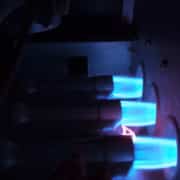
Yellow Pilot Light

A properly functioning furnace should have a blue pilot light. If you notice the light has turned yellow, this could be a sign of incomplete combustion, often caused by a carbon monoxide leak. Carbon monoxide is a colorless, odorless gas that can be dangerous when inhaled, so it’s important to address this issue immediately. A yellow pilot light could also indicate problems with the burner, such as dirt buildup or an incorrect air-to-fuel ratio. Either way, if you see a yellow flame, it’s time to call for an inspection.

When to Call Weinkauf Plumbing & Heating

If you’re in the Alpena or Oscoda, Michigan area and are experiencing any of these furnace issues, it’s a good idea to call Weinkauf right away. We will send a certified HVAC technician out to inspect your furnace and take care of any problems you are experiencing. From routine maintenance to emergency repairs, our team has the skills and expertise to handle any HVAC or plumbing problem. Don’t wait until Michigan’s next polar vortex and cross your fingers – contact us today to schedule your furnace inspection


Should You Repair or Replace Your Furnace?

As Michiganders, we know something about living in a cold climate. At least half of the year we depend on our furnaces to keep us warm and comfortable. When your furnace starts showing signs of trouble, one of the biggest decisions you face as a homeowner is whether to repair the existing unit or replace it entirely. There are many factors to take into account, including the cost of the repair vs. the cost of replacement, the age of the furnace, the unit’s energy efficiency, and how often it is breaking down. This blog will help you understand these factors and more, so you will be able to make a better, more informed decision.

Repair vs. Replace Your Furnace: Factors to Consider

A major repair is always unwelcome news. No one really wants to spend money getting something that was functioning fine in working condition again. However, having reliable heat is very important in the winter, and, in certain very cold temperatures, it can mean the difference between life or death. That’s why being able to assess your situation based on objective information is helpful. Below are the things that we think you should consider when you’re deciding whether to repair or replace your furnace.

The Age of Your Furnace

The first factor to consider is the age of your furnace. Most furnaces have a lifespan of 15 to 20 years. If your furnace is approaching or has surpassed this age range, it will likely be more cost-effective to replace it than to repair it because individual parts are expensive and newer models are more efficient. A new unit will save you money on your energy bills in the long run, so you need to ask yourself if you want to throw good money after bad. 

Frequency and Cost of Repairs

Ask yourself how often your furnace has required repairs in the recent past. If you’re calling in a technician more often than before, these repair costs can add up quickly, making replacement a more financially sound option, especially if the unit is old. A good rule of thumb is that if the cost of repairs approaches 50% of the value of your furnace, replacement is generally the more economical choice.

Energy Efficiency 

Older furnaces tend to be less energy-efficient. If your energy bills have been rising over time, this could be due to the decreased efficiency of your aging furnace. Compare the efficiency ratings (AFUE or Annual Fuel Utilization Efficiency) of your current furnace with newer models. This is the ratio of the furnace’s annual heat output compared to its total annual fossil fuel energy consumed. A higher AFUE rating indicates a more efficient unit.

Heating Performance

Have you noticed cold spots in your home? If your furnace struggles to maintain your home at a comfortable temperature or heats your home unevenly, this could be a sign of a malfunctioning system. A new furnace will provide consistent and efficient heating.

Safety Concerns

“Safety first” should always be your motto with your heating system. If its overall safety ever seems in any way compromised, it’s time for a new furnace. Older furnaces can develop cracks in the heat exchanger, leading to carbon monoxide leaks. This would also necessitate an immediate furnace replacement.

Technological Advancements

New furnaces often feature improvements like smart thermostats, variable speed motors, and better air filtration systems. If cleaner air and round-the-clock comfort are your goals, opting for a new furnace is a solid choice. 

Financial Incentives and Rebates

Research any available rebates or tax incentives for installing an energy-efficient furnace. Local utilities often offer them, and sometimes there are government programs that reward homeowners who invest in energy-efficient appliances. These incentives can significantly offset the cost of a new furnace, making replacement a more attractive option.

Personal Comfort and Peace of Mind

Having a furnace die in the middle of a blizzard or a polar vortex is a very unpleasant and potentially very costly experience for any homeowner, so consider your personal comfort and peace of mind. If your current furnace causes you frequent worry or discomfort, the investment in a new furnace could well be worth the cost. 

Deciding to repair or replace your furnace depends on a combination of factors including age, repair history, efficiency, safety, and personal comfort. While the initial cost of a new furnace might be higher, the long-term savings, efficiency, and peace of mind can make it a worthwhile investment. 

If you have concerns about your furnace, contact the certified technicians at Weinkauf Plumbing & Heating to assess the condition of your furnace and provide you with a recommendation based on your specific situation. The right decision not only impacts your immediate comfort but also your home’s value, so trust the professionals with your HVAC system.


Carbon Monoxide Safety and Your HVAC System in Winter

It’s January in Michigan. We are in the coldest part of the year – which means your furnace is working its hardest to keep you and your family warm and cozy around the clock. A properly functioning heating system puts out a lot of heat, but it does so safely, without producing toxins that could cause harm. In this blog we will talk about the risk of carbon monoxide poisoning from improperly maintained HVAC systems so that you will know what you need to do to prevent or detect it in your home. 

Carbon Monoxide Gas, the Invisible Killer

What is carbon monoxide? CO is a colorless, odorless gas that is produced as a byproduct when fuels like gas, oil, kerosene, wood, or charcoal are burned. In large enough amounts, carbon monoxide can be deadly to inhale. 

How can this happen? Primarily if your furnace does not burn its fuel completely, although furnaces are not the only source of CO. Other household appliances, like boilers, gas stoves, fireplaces, and water heaters, can also produce carbon monoxide gas and become dangerous if your home is inadequately ventilated.

While you can’t see or smell carbon monoxide, there are early warning signs of CO poisoning, including headaches, dizziness, weakness, nausea, and confusion. If a person inhales enough CO gas, he can experience severe health issues, including unconsciousness and death. This is because carbon monoxide interferes with the body’s ability to absorb oxygen – something we all need – leading to serious tissue damage. 

Detecting Carbon Monoxide in Your Home

CO cannot be detected without the use of special equipment. You should install carbon monoxide detectors on every level of your home, especially near bedrooms. They will alert you if CO levels rise. Like your smoke alarms, you should test these detectors regularly and replace their batteries as needed. A CO detector has a typical lifespan of between 5 and 7 years, so if yours are older than that, get new ones. 

How to Prevent Carbon Monoxide Buildup

There are a number of things you can do to prevent the danger of carbon monoxide buildup in your home. These include:  

Regular HVAC Maintenance – The first line of defense against CO poisoning is scheduled HVAC maintenance. These periodic checkups ensure your HVAC system and any other appliances that burn fuel are inspected and serviced annually by a qualified technician. HVAC professionals are trained to identify potential hazards, like a cracked heat exchanger or blocked chimney, that could lead to CO buildup.

Proper Ventilation – CO is not dangerous in very small amounts, which is why proper ventilation is crucial. Never use a gas oven to heat your home if your furnace isn’t working or burn anything in a stove or fireplace that isn’t vented. Do not use portable fuel-burning camping equipment or generators indoors either. Carbon monoxide poisoning is also possible if you run your car or truck inside a closed garage. Any vents, including your dryer vents should always be kept clear of snow and other debris.

Education – Educate your family or anyone living in your home about the dangers of CO poisoning. Teach them the symptoms to look for and the importance of evacuating the house and calling 911 if a CO alarm goes off. Immediate treatment is critical to a good outcome if CO poisoning occurs. The person should be moved to fresh air, and medical attention should be contacted. 

Safety First! 

There are many enjoyable things about the winter season, but it’s also important to stay warm and stay safe. Regular maintenance of your HVAC system, proper use of appliances and carbon monoxide detectors, and awareness about carbon monoxide can make all the difference. 

If you have any concerns or questions about carbon monoxide or how well your furnace and other gas-fueled appliances are working, please call us at (989) 354-5427. We will be happy to schedule someone to take a look at your HVAC system and make recommendations for its maintenance and most efficient use. Contact us today! 


How HVAC Systems Control Humidity

When you feel sticky on a hot summer day or your skin feels dry in January – that’s due to humidity, or the amount of moisture in the air. Humidity significantly affects your personal comfort, and it also impacts the efficiency of your HVAC system. In this blog post, we will discuss how HVAC systems control humidity and explore the effects of humidity on both HVAC systems and personal comfort.

Humidity in Michigan

The state of Michigan is surrounded by water, and it also has more than 11,000 inland lakes or 1,300 square miles of inland water. We are a water-rich state, which is a blessing. We also have to deal with fluctuations in humidity, which can be less pleasant. The humidity in Michigan varies throughout the year because we experience four distinct seasons. In spring, summer, and fall, the weather can be quite humid and sticky, while in winter, especially after the furnace kicks on, the air inside and outside is cold and dry. 

How HVAC Systems Control Humidity

Dehumidification

During the hot, muggy summer months, your HVAC system works to remove excess moisture from the air by passing warm, moist air over a cooling coil. The moisture condenses on the coil and is drained away. Dehumidification not only makes your home more comfortable, it also helps prevent mold growth and other moisture-related damage.

Humidification

Conversely, during the drier months, your HVAC system can add water to the air. This humidification process helps prevent issues like dry skin, static electricity, and discomfort caused by excessively dry air.

Too Humid or Not Humid Enough? 

Humidity affects our personal comfort because it influences how we perceive temperature. High humidity can make a room feel warmer, while low humidity can make it feel cooler. Maintaining the right humidity levels can help occupants feel more comfortable and reduce people’s need (or desire) to fiddle with the thermostat.

Humidity levels also affect personal health. High humidity can make it difficult for our bodies to cool down through evaporation. It’s uncomfortable and can cause lethargy or even heat stroke. Low humidity can lead to dry skin, irritated eyes, and respiratory issues. Balancing humidity ensures that your home will be healthier and more comfortable.

Effects of Humidity on HVAC Systems

The humidity level of your home will affect the efficiency of your HVAC system. High humidity can make a space feel warmer than it actually is, leading to overuse of the air conditioning system. On the other hand, low humidity can make a room feel colder, and you will feel like turning up the thermostat. Maintaining the right humidity level can help HVAC systems operate more efficiently and save you money on energy costs.

If your home is too humid for too long, your HVAC equipment can suffer moisture-related damage. High humidity can also promote the growth of mold and mildew, which can affect system components and air quality. Proper humidity control will extend the lifespan of your HVAC system and reduce the need for frequent repairs or replacement.

Humidity control is an essential aspect of HVAC systems. Properly balanced humidity levels contribute to a more comfortable and healthier indoor environment while allowing HVAC systems to operate optimally. If your home is too humid in the summer or too dry in the winter, there are changes you can make to your HVAC system to alleviate this. Call us at Weinkauf Plumbing & Heating to talk about any problems you’re having with your furnace or air conditioner or upgrades you are thinking of making. We will be happy to discuss your options with you.