
Winterizing the Plumbing in Your Cottage

It’s that time of year again when the leaves turn a rainbow of colors and frost is on the roof in the morning. While there may still be more days to enjoy the beauty of Northern Michigan, if you do not plan to spend the winter there, winterizing the plumbing in your cottage should be a priority. Here we will go through what is involved in this process. 

The Process of Winterizing Your Cottage

While it’s obvious that water can cause damage, we often underestimate the extent of that potential damage. Cold weather will freeze any water left in your pipes or fixtures, and, as it turns to ice, it can expand with so much force that the ice rips a hole in even metal pipes. When the water eventually thaws, either in the spring or during a winter warm up, it will rush through the hole in the damaged pipe and spray out on ceilings and inside walls, over floors and through them. In addition to cosmetic damage to sheetrock and flooring, this can lead to ceiling damage, roof damage, mold, electrical problems, and even affect the structural integrity of the home itself. 

Avoiding the extreme hassle and expense of dealing with extensive water damage is why winterizing is so important when the weather turns cold. You do not want to be worried about the condition of your pipes when the next winter vortex occurs. So what exactly is involved? 

Essentially, winterizing involves shutting off the water to your cottage at the water meter, insulating it, and emptying your home of any remaining water. If it’s not there, that means it can’t freeze and burst a pipe. We don’t think of all of the places water can be, though, so below is a rundown. Follow a checklist and work from one end of the water system to the other, and you’ll be less likely to miss a step.

Shut off the power – Turn off the electrical power to the water pump and the water heater. Shutting off the power protects the elements inside the heater so they are not trying to heat water that is no longer present. 

Interior plumbing – If you’re lucky and your cottage’s plumbing was well designed, all of the pipes will drain to one point and the water supply lines will slope down to a single set of drain valves. If not, you may need to crawl around and discover where all the pipes go and the valves are. Open all of the valves and the taps both inside the cottage. These should remain open all winter so any water in the system will drain. 

If you think there could be any water in the pipes, attach an air compressor to the drain valve and blow out the water through the taps. Do not blow more than 35 pounds of pressure or you could damage the pipes. Every sink, tub, toilet, and faucet should blow clear. A shower may take a little longer to blow out. 

Water heater – Attach a hose to the drain valve of the water heater and drain it completely. If the water heater is outside or underneath the cottage, the hose will direct it away from the heater instead of letting it pool at its base. If there is a pressure or gravity tank elsewhere like in a boathouse, make sure to drain it as well. If there’s a jet pump, remove the drain plug and let all of the water between the pump and the pressure or gravity tank drain. 

Antifreeze – Add one or two cups of antifreeze (propylene glycol) to the jet-pump case to protect the casing and the impeller inside it from freezing. Then pour antifreeze into all sinks, tubs and showers, floor drains, dishwashers, and laundry drains. Toilets will require nearly a gallon of antifreeze. Pour it into the drain tube that’s in the toilet tank until it runs into the bowl and then fill the tank until the flapper is submerged. Top off the toilet bowl with more antifreeze until the hole is covered. A dishwasher will also require a gallon or so of antifreeze to fill up its internal components.

Obviously, this is an involved process, but the time and the small expense is insurance against the much larger time and expense a burst pipe or pipes will cost, so it’s worth it to protect your property. If you would like help with winterizing the plumbing in your cottage, call us at Weinkauf Plumbing & Heating. We can get your pipes and plumbing fixtures ready for winter so reopening your cottage next spring will be a breeze! 


What Alpena’s Sewer Line Service Change Means for Homeowners

If you live in Alpena, Michigan, and have ever had a clogged sewer line, here’s a heads up: As of July 1, 2025, the City of Alpena will no longer respond to a sewer line clog on private property. This change means that homeowners are now fully responsible for hiring a professional plumber or sewer contractor when things go wrong with their sewer line.

At Weinkauf Plumbing & Heating, we’ve been handling sewer backups for years, and we’re here to help local homeowners with reliable, fast service when you need it.

Why Did the City Stop Helping With Clogged Sewer Lines?

The City of Alpena has stated that clearing private sewer lines was never officially part of the utility contract with Veolia (the city’s utility provider). Even though it became a common practice over time, the city ordinance states that the homeowner is responsible for the sewer line up to the connection point at the main sewer.

In other words: if the clog is on your property, it’s your responsibility to fix it.

Before this change, the city offered sewer line clearing for a fee. Now that service is being phased out completely. If your toilet backs up or your floor drain overflows, you’ll need to call a local plumber. That’s where we come in.

Weinkauf Can Help with Alpena Sewer Line Repair

Weinkauf Plumbing & Heating already provides sewer line services for homeowners in Alpena, Oscoda, and surrounding areas. Our experienced team responds to backed-up sewer calls regularly. Here’s our process:

Transparent Estimates

Every home’s sewer system and problem is different, which means flat-rate pricing often doesn’t make sense. That’s why we offer free on-site estimates for most clogs. If you’re unsure what’s causing the backup, we’ll take a look and give you a clear explanation of your options before any work begins.

Emergency Response

If you’re experiencing a clogged sewer line and need help right away, we offer prompt service during business hours and after-hours emergency support. Keep in mind that after-hours service is more expensive, so it’s a good idea to address slow drains with routine maintenance before they turn into a full-blown backup.

Professional Equipment and Expertise

Our team uses professional-grade tools and equipment to get the job done right. From sewer augers to advanced drain cameras, we have everything needed to find and clear the blockage efficiently.

What Causes Sewer Line Clogs?

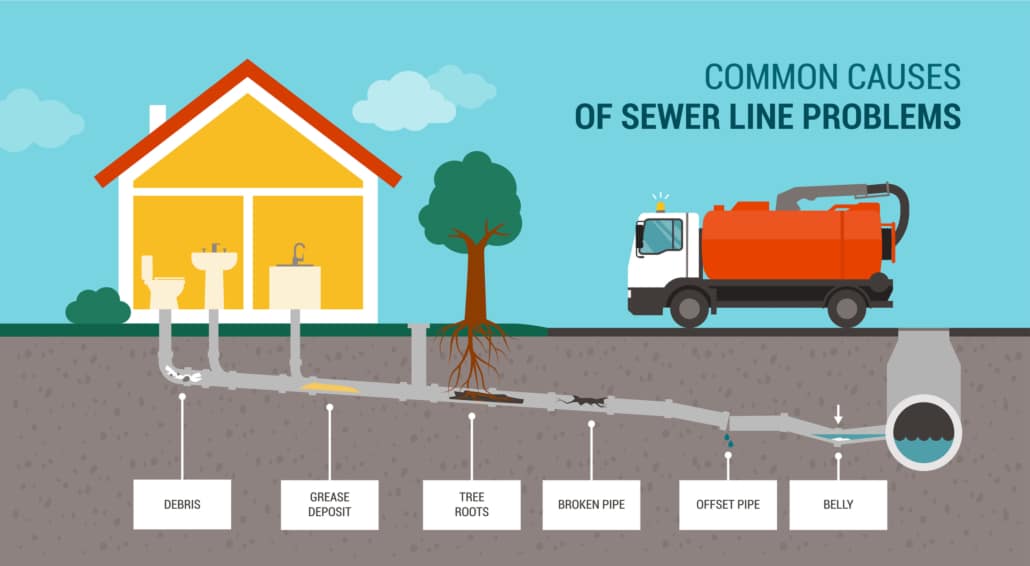
common causes of sewer line clogs

Most clogs are caused by two things:

  1. Flushing the wrong items down the toilet – Products like wipes, feminine hygiene products, and paper towels don’t break down like toilet paper and can easily cause clogs.
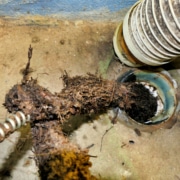
  2. Tree root intrusion – Tree roots, especially from large maples, are drawn to the moisture in sewer lines and can invade through small cracks or joints in older pipes.

In many cases, these roots come from city-owned trees near sidewalks, but Alpena homeowners are still responsible for repairs, even if the roots are the main culprit.

Can I Clear a Clog Myself?

While some people feel comfortable addressing minor plumbing problems at home, DIY sewer cleaning comes with risks, especially if you misidentify the blockage or damage the pipe. If you’re not 100% confident, it’s safer and often more cost-effective to let a professional plumber handle it.

Sewer Maintenance Tips for Homeowners

Here’s our best advice on how to stay ahead of problems and avoid sewer line clogs:

  • Don’t flush anything except toilet paper (even if the packaging says “flushable).
  • Have your sewer line cleaned every 1–2 years if you’ve had clogs before.
  • Know the signs of a developing clog, like gurgling drains, slow flushing, or water backing up in floor drains.
  • Schedule routine maintenance with Weinkauf to catch small issues before they become major headaches. 

Need Help With Your Sewer Line? Call Weinkauf

We know this policy change puts more responsibility on Alpena homeowners, but you don’t have to handle your sewer or other plumbing problems alone. Weinkauf Plumbing & Heating is here to help with fast, fair, and expert sewer line services. We’ve been serving northeast Michigan for decades and can walk you through every step of your plumbing repair or replacement.

If you’re in Alpena or Oscoda, call today for a free estimate, to schedule routine maintenance, or to request emergency sewer service.

Improve Your Home Water Quality

If your water smells strange, leaves stains, or tastes a little off, this is not something you should just tolerate or ignore. These issues are often signs that your home’s water quality isn’t what it should be. Many people in Alpena, Oscoda, and the surrounding Northeast Michigan communities live with poor water quality without realizing there are better options. 

At Weinkauf Plumbing & Heating, we specialize in helping families improve home water quality through customized, professional water treatment systems. Whether you’re on city water or have a private well, here’s what you should know about what’s coming out of your taps.

improve home water quality

The Water Quality Problems You Can See, Smell, or Taste

Most homeowners first notice water quality issues through their senses. These are the most common complaints:

Bad Smells

  • A rotten egg smell often means hydrogen sulfide or sulfur in your water. This is common in well systems. There may also be bacteria in the tank of your water heater causing hydrogen sulfide gas. 
  • A strong chlorine odor can come from municipal water treatment.
  • Earthy or musty smells may indicate decaying organic material in your supply.

Strange Tastes

  • A metallic taste might point to elevated iron or manganese.
  • A salty or bitter aftertaste could signal high levels of total dissolved solids.
  • If you avoid drinking from the tap, that’s usually a sign the taste isn’t meeting your expectations.

Visible Water Problems

  • Orange or brown stains on sinks, tubs, or toilets usually come from excess iron.
  • Hard water scale builds up on fixtures and causes cloudy glasses in the dishwasher.
    Soap that doesn’t lather properly is another common symptom of hard water. A hard water problem can be easily solved by adding a water softener.

These problems may not always be dangerous, but they are frustrating, and they can cause long-term wear on appliances, clothing, and plumbing.

Solutions We Offer at Weinkauf Plumbing & Heating

We don’t just sell water filters. We test your water, explain the results, and install a solution designed to meet your home’s unique needs. In addition to installing water softeners, here are the water treatment systems we recommend and install most often:

Whole-House Water Filtration

A whole-house filter is installed at the point where water enters your home. It reduces chlorine, sediment, and mineral buildup across all taps, appliances, and showers. This improves water taste and smell while protecting plumbing and fixtures.

Iron and Sulfur Removal Systems

These systems specifically target the common complaints we hear about well water: rust stains and that unpleasant rotten egg odor. We offer custom setups tailored to the exact levels of iron or sulfur found in your test results.

Reverse Osmosis (RO) Systems

For drinking and cooking water, reverse osmosis offers an extra layer of protection. These under-sink units remove up to 99 percent of contaminants, including lead, chlorine, fluoride, and PFAS chemicals. RO systems deliver clean, fresh water at the tap that’s better than bottled.

Well Water Treatment Solutions

Well water can carry bacteria, nitrates, heavy metals, or acidity issues. Our custom well treatment solutions may include a mix of filters, UV disinfection, softeners, and neutralizers. We will install whatever your water test shows is needed.

How Our Systems Help With Hidden Contaminants

Our approach is to match the right equipment to the exact problems in your water.

  • If your concern is chlorine byproducts or other treatment chemicals, a whole-house carbon filtration system is the first line of defense.
  • If you want protection against heavy metals, PFAS, or hexavalent chromium, a reverse osmosis system offers effective, point-of-use filtration.
  • For iron, sulfur, and manganese, our specialty removal systems are highly effective and custom-sized to your water supply.
  • Homes with bacterial or microbial risks, particularly those on well water, can benefit from UV light disinfection systems combined with filtration.

We never install anything without first testing your water and showing you the results. This helps us recommend the right solutions for your situation, not someone else’s.

Improve Your Home Water Quality – Start With a Free Water Test

Whether you’re noticing a strange smell or just want to stop buying bottled water, the first step is a water test. Weinkauf Plumbing & Heating offers free in-home water testing to help you understand your options. Once we know what’s in your water, we’ll design a treatment plan that fits your home and your budget.

Call us today to schedule your free water consultation in Alpena, Oscoda, or any of the surrounding Northeast Michigan areas. Let’s improve your home water quality – both the parts you can taste and the parts you can’t.


Frequently Asked Questions About Water Quality & Treatment in Northeast Michigan

Is city water safe to drink?

Municipal water meets federal legal standards, but that doesn’t necessarily mean it’s free of all health risks. According to the Environmental Working Group (EWG), some contaminants found in Alpena’s water, like hexavalent chromium and chlorine byproducts, exceed what many experts consider safe long-term. A home water treatment system adds another layer of protection for your family.

I have a private well. Do I still need water treatment?

Absolutely. Well water is not regulated the way municipal water is. That means it can contain bacteria, nitrates, heavy metals, and other contaminants. A water test is essential, and Weinkauf Plumbing & Heating offers free well water testing to help you understand what’s in your supply.

What’s the best system for bad-tasting or smelly water?

It depends on the cause. If your water smells like rotten eggs or has a metallic or bitter taste, it could be due to sulfur, iron, or chlorine. Weinkauf installs specialty systems like iron/sulfur filters, carbon whole-house filters, and reverse osmosis units to tackle those problems at the source.

Can a reverse osmosis (RO) system filter out dangerous contaminants like PFAS or lead?

Yes. Reverse osmosis systems are highly effective at removing a wide range of contaminants, including lead, fluoride, PFAS, arsenic, and chlorine byproducts. These are typically installed under the kitchen sink for clean, filtered drinking water right at the tap.

How much does it cost to install a water filtration system?

The cost varies depending on your water quality and which system is right for your home. Weinkauf offers customized solutions with options for every budget, and we start with a free water test and consultation to determine exactly what you need.

Does Weinkauf Plumbing & Heating provide service after installation?

Yes. Weinkauf stands by its work. We offer ongoing maintenance and repairs for all water treatment systems we install. 

Are the systems you install high quality?

Yes. Weinkauf uses only high-efficiency, professional-grade systems, including well-known brands for softeners, RO units, and UV disinfection. These systems are built to last and perform reliably for years with proper maintenance.


Summer Plumbing Problems? Helpful Repair and Prevention Tips

For Michiganders summer means backyard barbecues, beach days, and trips up to the cottage, but it can also bring unique plumbing problems for home and business owners. Knowing how to prevent or fix summer plumbing problems can save you time, money, and headaches, so let’s talk about what those challenges are and how to address them. 

But Summer’s the Best Time of the Year?

Yes, summer is wonderful, it really is, but longer days and rising temperatures may put your plumbing through a real workout. The season puts unique demands on pipes and fixtures. Your kids take more showers to cool off, your lawn needs to be watered all the time, and you may have a pool to fill. On top of that, having extra guests or family over means your toilets, sinks, and washing machines are used more than ever. And let’s not forget sudden summer storms, which can strain outdoor drainage systems and even lead to messy backups.

Here’s your guide to common summer plumbing problems and how to prevent them.

1. Leaky Outdoor Faucets and Sprinklers

Summer is prime time for watering lawns, filling pools, and washing cars. But if your outdoor faucets or sprinklers leak, you’re wasting water and potentially damaging your home’s foundation. What should you do to prevent that? 

  • Check all hose bibs and spigots for drips at the start of the season.
  • Replace worn washers or upgrade to frost-free hose bibs if you have older fixtures.
  • Inspect garden hoses for cracks or bulges before heavy summer use.

2. Clogged Garbage Disposals

Summer also means cookouts, corn on the cob, and fresh produce, and all that extra food can wreak havoc on your garbage disposal. Fibrous vegetables, fruit pits, and grease can lead to blockages or damage. Grease and coffee grounds are also notorious for building up and causing clogs. Your garbage disposal is handy, but it’s not a trash can. Treating it with basic TLC can save you a lot of hassle in the long run.

To prevent clogs and backups: 

  • Avoid putting tough items like corn husks, melon rinds, and bones in the disposal.
  • Run cold water for 20 to 30 seconds after every use.
  • Toss ice cubes and lemon peels into the disposal once a week to help clean and deodorize it.

3. Washing Machine Overload

With kids home from school, beach towels piling up, and extra laundry from outdoor activities, your washing machine works overtime in summer. Hoses and drains can leak or clog if they’re not in good shape. Most people don’t think about washing machines as plumbing, but they process a large amount of water that can wind up on your floors if something goes wrong, so: 

  • Inspect washer hoses for cracks or bulges and replace them every 3 to 5 years.
  • Make sure the machine is level to prevent strain on hoses and the drum.
  • Don’t overload the washer. Multiple smaller loads are easier on your plumbing.

4. Sump Pump Failures

Your sump pump is the first line of defense against basement or crawl space flooding, so you want to make sure yours is ready for the next challenge. Flooding is no joke – water can do a remarkable amount of damage in just minutes. 

Test out your sump pump by pouring a bucket of water into the sump pit. The pump should turn on, clear the water, and then shut off. If it doesn’t kick on, or if it sounds strange, clean the pit, checking for debris that might be blocking the float switch. If that doesn’t work, call us at Weinkauf, and we will come and check it out for you. You can also add a battery backup to keep the pump running if your power goes out, especially if you live in a place that’s prone to water. 

5. Sewer Backups After Heavy Rain

Summer often brings dramatic weather changes, including thunderstorms and heavy downpours, and Alpena and Oscoda get their fair share of them. Heavy rain combined with clogged gutters can result in sump pump overwhelm and basement flooding. Municipal sewer lines and saturated drain fields can cause messy sewer backups in your home.

To protect yourself: 

  • Have your main sewer line inspected or snaked if you’ve had issues in the past.
  • Install a backwater valve to help prevent sewage from backing into your basement.
  • Avoid pouring fats, oils, or grease down the drain. They can make clogs worse during heavy rain.

Avoid Summer Plumbing Problems with Inspections and Maintenance

Some of the worst plumbing problems are the ones hiding out of sight. Tree roots can sneak into sewer lines, and corrosion can quietly eat away at pipes, all without you knowing. A professional inspection, especially of your sewer line, can uncover these hidden dangers. Plumbers use camera technology to look inside your pipes and spot potential trouble before it becomes a full-blown backup or blockage. Think of it like giving your plumbing an X-ray. While a sewer camera inspection might feel like an extra cost, it’s far less expensive than cleaning up a sewage backup or repairing a burst pipe later. 

Scheduling preventive services, like drain cleaning when you notice slow drains, can also save you major headaches. Combine that with simple habits like using mesh strainers and keeping grease or coffee grounds out of your sink, and you’ll avoid the flooding and emergency repairs that often hit in the summer.

When to Call Weinkauf Plumbing & Heating

Even with the best prevention, plumbing issues can happen. If you run into:

It’s time to call us.

We have been helping Northern Michigan homeowners and business owners keep their plumbing running smoothly for decades—now with even more reach! With the opening of our new Oscoda, MI location, we’re bringing expert inspections, repairs, and maintenance even closer to you, helping prevent costly emergencies before they happen. Whether you’re in Alpena or Oscoda, we’re here to help. Save our numbers: (989) 354-5427 for Alpena, and (989) 569-1900 for Oscoda. That way, the next time your pipes or HVAC system act up, all you’ll need to remember is the name that’s been trusted for generations: Weinkauf Plumbing & Heating.


Why Your AC Is Running But Not Cooling and What to Do About It

The hot weather is here – finally! It’s the middle of summer in Northern Michigan, and your air conditioner may be working overtime now to cool your home. But is your home actually cool and comfortable? You may hear the fan humming and know the unit is definitely on, but your home still feels hot and sticky. So your AC is running but not cooling. What is the problem, and how do you fix it? 

Your AC Is Running But Not Cooling

If this is your situation, you’re not alone. It’s one of the most common summer issues we see at Weinkauf Plumbing & Heating. The good news? Some AC problems are simple fixes. Others may require a professional. Here’s how to troubleshoot the problem and get your cool air back.

1. Check Your Thermostat Settings

Let’s start with the basics. Check that your thermostat is set to “cool” and not just “fan.” The fan setting can make it feel like the system is running, but it won’t actually cool the air, it just circulates it. Also, make sure your desired temperature is set several degrees lower than the current room temperature. If it’s set at or above the current room temperature, the AC unit will not turn on. 

2. Is Your Air Filter Dirty?

A clogged or dirty air filter can restrict airflow, making it harder for your system to push cold air through your home. This can also lead to frozen coils. 

What to do:

Take out the air filter and hold it up to the light. If you can’t see through it, it’s time to replace it. We recommend changing your air filter every 1–3 months especially during peak cooling season.

3. Check for a Frozen Evaporator Coil

If you’ve noticed ice on your indoor unit or water pooling near your furnace, your evaporator coil may be frozen. This happens when airflow is restricted or refrigerant is low.

Signs of a frozen coil:

  • Warm air coming from vents
  • Ice or frost on the indoor unit
  • Water leaks around the unit

What to do:

  • Turn off your AC and let it thaw completely
  • Replace a dirty filter
  • Call us at Weinkauf if the problem returns

4. Your Outdoor Unit Might Be Blocked

The condenser coil in your outdoor unit releases the heat your AC removes from your home. If the unit is blocked by dirt, leaves, or weeds, it can’t do its job, and your home won’t cool down properly.

What to do:

  • Turn off the power to the unit
  • Gently rinse the unit with a garden hose
  • Clear away any grass, leaves, or debris

If it’s still not cooling after that, there may be deeper issues inside the unit.

5. You Could Have a Refrigerant Leak

Low refrigerant levels can prevent your system from cooling at all. It may still run, but it won’t be able to absorb heat and cool the air. This is not something you can fix yourself.

What are the signs of a refrigerant problem?

  • Your AC blows warm or lukewarm air
  • It emits hissing or bubbling noises
  • There is ice on the refrigerant line

What to do:

Call us at Weinkauf. We will send a licensed HVAC professional to inspect, repair, and recharge your system. You should never attempt to refill refrigerant yourself.

6. The Compressor Might Be Failing

If your AC is running but not cooling, and you’ve ruled out the easier fixes, the problem could be with your compressor. This component is responsible for pressurizing refrigerant and keeping the entire system running efficiently.

Compressor problems often require professional repair or replacement. If your unit is older than 10 years, it might be more cost-effective to upgrade the entire system.

When to Call a Professional

If you’ve tried the simple fixes above and still your AC is running but not cooling, don’t wait to call. Hot and humid air can take a toll on your comfort and your system.

Weinkauf Plumbing & Heating is your trusted local team for air conditioning repair, maintenance, and installation. Serving Alpena, Oscoda, and surrounding areas, we’re available when you need us. We’ve helped hundreds of homeowners in Northern Michigan get their air conditioning back on track quickly and affordably. Whether it’s a refrigerant issue, a faulty compressor, or just a tune-up, we’ll diagnose your problem and get it working again right away.

FAQs About Air Conditioning Repair 

Why is my AC running but not blowing cold air?
Common reasons include a dirty air filter, low refrigerant, frozen evaporator coils, or a blocked condenser. If basic troubleshooting doesn’t help, call a professional for an inspection.

How much does AC repair cost in Northern Michigan?
Costs vary depending on the issue, but minor repairs usually range from $150–$500. Compressor or refrigerant issues may cost more.

How quickly can Weinkauf Plumbing & Heating come out?
We offer prompt scheduling and emergency service calls throughout Alpena and Oscoda. Call us to check our availability today.

Is it worth repairing an old air conditioner?
If your unit is over 10 years old and requires frequent repairs, it may be more cost-effective to upgrade to a newer, more energy-efficient system.


What Is an Air Conditioning Compressor and How Does It Work?

Is your AC ready for summer? When the summer heat finally hits Northern Michigan, you will absolutely want your home or business to be a cool, comfortable retreat. Your air conditioning system works hard to keep things chill, and at the heart of that system is a crucial component: the air conditioning compressor. But what is an air conditioning compressor exactly, and how does it keep your home cool? Let’s talk about it. 

What Is an Air Conditioning Compressor?

An air conditioning compressor functions like the engine of your AC system. It pumps refrigerant through the system, changing it from a cool, low-pressure gas into a hot, high-pressure gas. This process is what allows your air conditioner to remove heat from your home and send it outside, so you can enjoy cool air indoors.

What Does an Air Conditioning Compressor Do?

The Compressor’s Main Job

The compressor’s main job is to pressurize the refrigerant vapor. It takes the refrigerant in its low-pressure gas form and compresses it into a high-pressure gas. This process raises the temperature of the refrigerant so when it reaches the condenser coil outside your home, it can easily release the heat it has collected from inside.

The Cooling Cycle

Here’s a simple breakdown:

  1. The refrigerant absorbs heat inside your home and becomes a low-pressure gas.
  2. The compressor compresses it into a high-pressure, high-temperature gas.
  3. The refrigerant moves to the condenser, releases the heat outside, and turns back into a liquid.
  4. The refrigerant flows through an expansion valve, cooling down before heading back inside to start the cycle again.

Without the compressor, this cycle doesn’t work, and your AC will not cool your home.

Where Is the Air Conditioning Compressor?

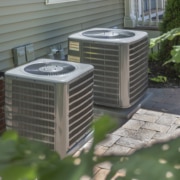
Your air conditioning compressor is located in the outdoor unit, also known as the condenser unit. That’s the metal box sitting outside your home, usually on a concrete pad. Inside that box, the compressor works alongside the condenser coil to release the heat from your home’s air.

How Much Does a Compressor Cost?

Replacing an air conditioning compressor isn’t cheap. Depending on your system, the cost can range from $1,500 to $4,000, including labor. Because of this, HVAC professionals sometimes recommend replacing the entire air conditioning system if it’s old or inefficient. Newer systems are usually more energy-efficient, which can help lower your energy bills in the long run.

FAQ: Air Conditioning Repair in Alpena and Oscoda County, Michigan

How do I know if my air conditioning compressor is working?

If you hear a buzzing or humming sound from your outdoor unit, that’s usually the compressor running. If your home isn’t cooling properly, the compressor might not be working as it should.

What does it mean if my AC compressor is making a ticking sound?

A ticking sound could mean there’s a problem with the electrical components or mechanical parts. If you hear a ticking noise coming from your air conditioning unit, call us at Weinkauf Plumbing & Heating, and we will send one of our experienced HVAC technicians to check it out.

My AC is running, but it’s not cooling. What could be wrong?

This could be a sign of low refrigerant, a refrigerant leak, or a compressor issue. Our HVAC technician can examine your AC unit, diagnose, and fix your issue quickly.

Should I repair or replace my AC compressor?

If your system is older and the compressor fails, replacing the entire AC unit might be more cost-effective. If you have questions, ask! We can give you the information you need to help you make the best choice for your home or business.

FAQ: About Weinkauf Plumbing & Heating

What services does Weinkauf Plumbing & Heating offer?

Weinkauf Plumbing & Heating offers a range of HVAC services, including air conditioning repair, installation, and maintenance. We also provide plumbing, water heater service, and even sheet metal fabrication.

Does Weinkauf Plumbing & Heating serve both Alpena and Oscoda County?

Yes! We proudly serve homeowners throughout the Alpena, Michigan area as well as Oscoda County.

How do I schedule air conditioning service with Weinkauf Plumbing & Heating?

Just give us a call to schedule an appointment. Our friendly team will be happy to help you with your air conditioning issue – or any other HVAC or plumbing issue you have.

Keep Your Cool This Summer

Understanding how your air conditioning compressor works can help you appreciate the challenge it has to keep your home comfortable during the heat of summer. If you’re having trouble with your AC or want to schedule a maintenance check, Weinkauf Plumbing & Heating is here for you. We’ve been keeping homes in Northern Michigan cool for decades. Contact us today to learn more or book a service appointment.

Stay cool this summer, Michiganders!


What to Do If Your Water Heater Is Leaking

A leaky water heater is not something that any homeowner wants to deal with. All appliance failures are inconvenient and stressful, but this one has the added possibility of causing water damage to your home if left unaddressed. That’s why if you see your water heater leaking, you want to know how to deal with it right away. The first rule is: Don’t panic. Here are the steps to take to avoid or minimize any water damage and figure out what to do to fix your water heater problem. 

Your Water Heater Is Leaking – What Now?

Step 1: Turn Off Power or Gas

The first thing you’ll want to do, for safety, is to turn your water heater off. If you have an electric water heater, you’ll need to find your home’s electrical panel and turn off the circuit breaker that powers it. Water and electricity can cause electrocution because water conducts electricity, so always cut your power before inspecting the heater further.

If you have a gas water heater, turn the gas valve (usually located near the bottom of the heater) to the “OFF” position.

Step 2: Shut Off the Water Supply

Next, you’ll want to stop more water from flowing into the tank. Look for the cold water shut-off valve, usually located near the top of the water heater, and turn the valve clockwise to close it. If the valve is stuck or you can’t find it, shut off the main water supply to your house instead.

With the water shut off, you will only have to deal with the water that has already leaked from the tank and what remains inside. You’ll have less to mop up and this will help prevent flooding and damage to the floors or walls nearby.

Step 3: Find the Source of the Leak

Now that the power and the water are cut off, you can determine where the source of the leak is. Common leak points include:

  • Cold or hot water inlet/outlet connections (top of the tank)
  • Temperature and Pressure Relief Valve (side of the tank)
  • Drain valve (bottom of the tank)
  • The tank itself

Wipe the water off the tank and watch closely to see where new moisture appears. This can help you pinpoint where the leak is.

Why Is My Water Heater Leaking?

Understanding why your water heater is leaking can help you figure out whether it’s a minor issue or something more serious. Here are some of the most common reasons:

  1. Loose Connections or Fittings
    Over time, the pipes and fittings that bring water into and out of your water heater can loosen or corrode. A small drip at the top of the tank could simply mean that a fitting needs to be tightened or replaced.
  2. Faulty Temperature and Pressure Relief (T&P) Valve
    The T&P valve is a safety feature designed to release water if the pressure or temperature inside the tank gets too high. If this valve is leaking, it might be worn out, installed incorrectly, or dealing with excessive pressure inside the tank.
  3. Drain Valve Leak
    At the bottom of your water heater, there’s a drain valve used for maintenance and flushing the tank. Sometimes this valve can become loose or start to leak due to wear and tear.
  4. Excessive Pressure Inside the Tank
    If your home’s water pressure is too high or your water heater is overheating, it can cause leaks at various points. High pressure puts extra stress on the tank and fittings, leading to drips or even bursts over time.
  5. Tank Corrosion
    The inside of your water heater tank is exposed to water constantly. Over time, even with protective coatings, the tank can corrode. Once corrosion sets in, small leaks can develop, and unfortunately, when the tank itself is leaking, replacement is usually the only option.
  6. Sediment Buildup
    If you don’t flush your water heater regularly, minerals from your water can settle at the bottom of the tank. This sediment can cause the bottom of the tank to overheat, crack, and eventually leak.

Step 4: Call a Professional

Knowing the cause of the leak is the first step toward getting it fixed and keeping bigger problems from happening in the future. If you’re unsure why your water heater is leaking, call us at Weinkauf Plumbing & Heating right away. We can diagnose the problem and recommend an effective solution.

Even if it seems minor, it’s a good idea to call a licensed plumber to inspect the situation. Our plumbers can to:

  • Confirm the source of the leak
  • Recommend the best repair or replacement option
  • Install new parts or a new water heater safely and up to code

Step 5: Clean Up the Water

If water has spilled onto the floor, use towels, a wet/dry shop vacuum, or a mop to clean it up.
If it’s more than a minor spill, set up fans or a dehumidifier to dry the area and prevent mold growth. Check nearby walls, flooring, and belongings for water damage just in case. 

How to Prevent Future Water Heater Leaks

While you can’t predict when a water heater will leak or fail, scheduling regular maintenance of your water heater can extend its life. During our routine maintenance inspections, Weinkauf’s technicians will flush your tank to remove sediment buildup that can corrode the inside. They will also check valves, pipes, and connections for signs of wear or corrosion.

You should also consider purchasing a water alarm. These inexpensive devices sit on the floor and beep when they detect a leak. 

A leaking water heater isn’t something you want to ignore, but acting quickly can limit damage and save you money. Whether it’s a simple fix or time for a replacement, Weinkauf Plumbing & Heating is here to help homeowners in Alpena, Oscoda, and the surrounding Northern Michigan areas with their plumbing and HVAC problems. If you need service or a new water heater, contact us today. We’ll get the hot water back working in your home or business in no time.


How Your HVAC System Can Improve Indoor Air Quality

When you think about your HVAC system, you probably think about heating and cooling – but did you know it also plays a huge role in the air you breathe inside your home? The outdoor air quality in Alpena, Michigan and the surrounding areas varies with weather and seasonal changes, so making sure your indoor air is clean and healthy is more important than ever. Let’s break down how your HVAC system can improve indoor air quality and what you can do to keep your indoor air fresh and safe year-round.

Why Indoor Air Quality Matters

Most of us spend the majority of our time indoors, but if your indoor air is full of allergens, pollens, dust, or other pollutants, it can lead to:

  • Coughing, sneezing, and allergy flare-ups
  • Dry skin or irritated eyes
  • Worsened asthma or breathing issues
  • Headaches and fatigue 

And here’s the thing: if your HVAC system isn’t clean or properly maintained, it could actually be spreading all that stuff around your house.

What’s the Outdoor Air Quality Like in Alpena, MI?

Outdoor air quality directly affects indoor air quality because people do not live in sealed cleanroom environments. We live in houses with windows and doors that are opened and shut all of the time. You might think of the Alpena air quality as fresh and clean, and for the most part, you’re right. But like any area, outdoor air quality can change depending on the season, weather patterns, and nearby activity.

According to Plume Labs, Alpena generally has good air quality, especially compared to big cities. But there are still certain times when air pollution levels can rise, such as:

  • In the summer, when higher temperatures can trigger smog and ozone issues.
  • During wildfire season, even distant fires can send smoke and fine particles into the air.
  • Wood-burning stoves and poor ventilation can lead to localized pollution, especially on still, cold days. 

While outdoor air in Alpena is usually safe, these fluctuations can affect people with asthma, allergies, or other respiratory conditions. And when outdoor air isn’t ideal, your indoor air quality becomes even more important.

4 Ways Your HVAC System Can Help You Breathe Easier

Let’s talk about how your HVAC system can improve your indoor air when it’s set up and maintained the right way.

1. It Filters Out Dust and Allergens

Your system’s air filter catches pollen, pet dander, dust, and other things floating around your home. But if that filter’s clogged or low-quality, it’s not doing much good. Check your filter once a month, and replace it every 1-3 months (or more often if you have pets or allergies) if you want better air quality.

2. It Helps Control Humidity

Furnace overactivity can make your air super dry, and that’s not just uncomfortable, it can lead to dry skin, sore throats, and even make viruses spread more easily. On the flip side, too much moisture in the summer can cause mold and mildew. Look into installing whole-home humidifiers (for dry air) and dehumidifiers (for muggy months) that hook right into your HVAC system if you want healthier, more comfortable indoor air. 

3. It Brings in Fresh Air

Older homes tend to be sealed up tight, and that traps indoor air pollutants inside. Newer HVAC systems can bring in fresh outdoor air and push out the stale air, without losing heat. If your system isn’t set up for fresh air intake, ask your Weinkauf HVAC tech if it’s an option during your next service visit.

4. It Can Even Kill Germs

Some systems now include UV light air purifiers that kill bacteria, viruses, and mold spores as the air flows through your system. These are especially helpful for families with allergies, asthma, or anyone with a sensitive immune system.

Easy Ways to Keep Your Air Cleaner

Want to get the most out of your HVAC system and keep your indoor air healthy? Here’s what you can do:

  • Replace your air filter regularly
  • Schedule a yearly HVAC tune-up (especially before winter or summer hits)
  • Ask about duct cleaning if your home is older or you’ve done recent renovations
  • Consider adding a whole-home humidifier or air purifier if you’re noticing dryness or allergy symptoms 

Let Us Help You Breathe Better

At Weinkauf Plumbing & Heating, we help homeowners in Alpena, Oscoda, and surrounding Northern Michigan stay comfortable and healthy year round. Whether you need a new filter, an indoor air quality check, or a whole-home humidifier installed, contact us! We want to partner with you so your HVAC system can improve your indoor air quality. 

Give us a call today to schedule a service or talk about your options. We’ll help you breathe a little easier this spring – and every season after.


Water Softener FAQs: Everything You Need to Know

Hard water can lead to many unpleasant issues in your home, ranging from damaged plumbing to dry skin. Installing a water softener can be an effective solution to these problems, but you may have questions about how these systems work and what benefits they offer to home and business owners. Here are some water softener FAQs we get at Weinkauf Plumbing & Heating (with our answers) to help you decide if installing a water softener would be a good solution to your hard water. ​

water softener salt

Top 10 Water Softener FAQs 

1. What is a water softener?

A water softener is a system that is designed to remove minerals like calcium and magnesium from your water supply. These minerals cause water hardness, leading to scale buildup in appliances and pipes, and they reduce the effectiveness of soaps and detergents. A water softener eliminates these minerals and provides “soft” water, which is gentler on your plumbing and skin.

2. How does a water softener work?

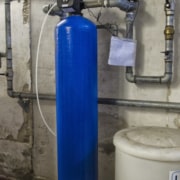
Water softeners typically use a process called ion exchange. Hard water passes through a tank filled with resin beads that are charged with sodium or potassium ions. As the hard water flows over the beads, the calcium and magnesium ions swap places with the sodium or potassium ions, effectively removing the hardness-causing minerals from the water. The system then periodically regenerates, flushing the accumulated minerals and recharging the resin beads with new sodium or potassium ions.​

3. What are the benefits of installing a water softener?

There are a number of benefits for homeowners. First, soft water reduces scale buildup, which extends the life of appliances like dishwashers, washing machines, and hot water heaters.​ It also prevents mineral deposits in pipes. This reduces the risk of clogs and corrosion.​

Additionally, soft water improves the ability of soap to lather, and more soap bubbles mean  cleaner dishes, laundry, and skin.​ Hard water is notorious for causing dry skin and irritation; if you soften your water, your skin and hair will be softer too. 

4. How do I know if I have hard water?

Hardness is measured in parts per million (ppm), with 120 ppm officially qualifying as hard water. According to the City of Alpena’s 2023 Water Quality Report, the average result for CaCO3 in Alpena is 112. In Oscoda county, it is 108. Water hardness can also be measured in grains per gallon (gpg), where one grain equals 0.002 ounces of calcium carbonate dissolved in one gallon of water. Anything over 7.5 gpg is considered hard water. 

Common signs of hard water include scale buildup on faucets and shower heads, soap scum in sinks and bathtubs, spotty or cloudy dishes, dry skin and hair, and reduced water flow from clogged pipes. 

For a definitive assessment, consider scheduling a professional water test. Weinkauf Plumbing & Heating will test your water for free to determine your water’s hardness and recommend appropriate solutions.

5. How often does a water softener need maintenance?

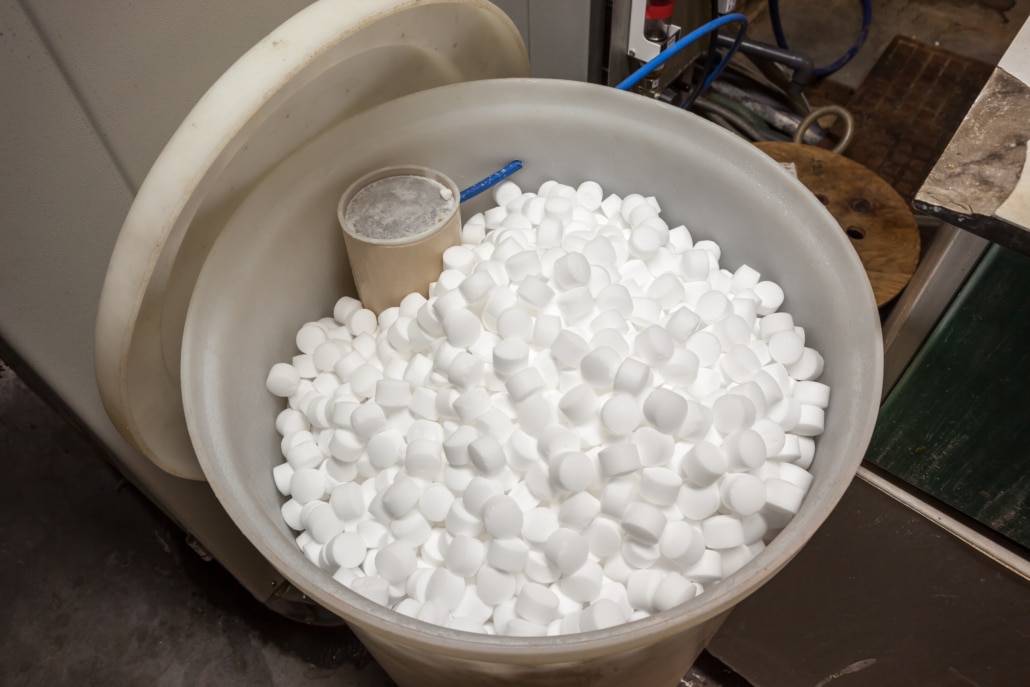
Regular maintenance ensures optimal performance of your water softener. This includes replenishing the salt or potassium in the brine tank as needed, usually every few weeks, depending on your water usage and hardness level. It’s also helpful to have a trained professional inspect and service the system annually to check for issues and clean the resin tank.​ Weinkauf also offers this service to our customers. 

6. Can I install a water softener myself?

While it’s technically possible for a handy homeowner to install a water softener, we recommend that you have a professional handle it. Our professionals will make sure your unit is correctly sized for your home, installed without leaks, and complies with local plumbing codes. This will make a real difference in how efficiently it will operate and how long it will last.  

7. Are there different types of water softeners?

Yes, the main types include:​

  • Salt-Based Ion Exchange Softeners: This is the most common type and uses sodium to replace hardness minerals.​
  • Salt-Free Water Conditioners: These systems use alternative methods, such as template-assisted crystallization, to prevent scale buildup without removing minerals.​
  • Dual-Tank Softeners: These utilize two resin tanks, allowing for continuous soft water supply during regeneration cycles.​

The best choice for you will depend on your specific water quality and household needs.​ 

8. Will a water softener remove other contaminants from my water?

Water softeners are specifically designed to remove hardness minerals like calcium and magnesium. They do not eliminate other contaminants such as iron, sulfur, bacteria, viruses, or chemicals. For comprehensive water purification, consider additional filtration systems. Weinkauf also installs: 

  • Whole-House Filtration Systems

  • Iron and Sulfur Removal

  • UV Purification Systems

  • Reverse Osmosis Drinking Water Systems

  • Well Water Treatment Solutions

If you want your water to be crisp, clean, soft, and odor-free, our team can make it happen for you. We can design and install custom solutions to address hard water, iron, bacteria, and other common well issues.

9. Is softened water safe to drink?

Softened water is generally safe for consumption. However, the ion exchange process adds a small amount of sodium to the water. For most people, this isn’t a concern, but individuals on low-sodium diets should consult with a doctor or choose a reverse osmosis system which will remove sodium from your drinking water.

10. How long does a water softener last?

With proper maintenance, a quality water softener can last between 10 to 15 years. Regular servicing and replacement of components, such as resin beads, will extend the system’s lifespan.​

If you have hard water issues or more questions about water softeners, call us! We’re here to help in both the Alpena and Oscoda areas. Weinkauf Plumbing & Heating offers comprehensive water treatment services, including installation, maintenance, and repair of water softeners and filtration systems. Contact us today at (989) 354-5427 to schedule a free water test and consultation.


Why Are Wood Stoves So Popular?

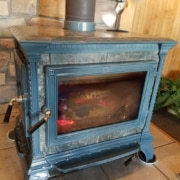
Wood stoves have been a very popular heating option in Northern Michigan for generations, and their popularity continues to grow with Michiganders. Freestanding wood stoves and fireplace inserts provide an efficient, cost-effective, and reliable heat source, making them an especially appealing heating choice during the cold winter months. But what makes them such a popular choice compared to other heating options? Let’s break it down.

6 Practical Reasons for Wood Stoves

Wood stoves are in demand primarily because of their heating efficiency. Freestanding wood stoves generate intense radiant heat, which makes them ideal for warming large spaces. Many wood-stove models are designed to retain and slowly release heat. This means they will keep your home or business warm even after the fire inside has burned out.

If you would like to keep certain areas or zones of your home warmer, instead of running your furnace harder, you might consider installing a wood stove. This way you can add warmth where you need it most, reducing energy waste and lowering your heating costs. Modern EPA-certified wood stoves are more efficient than older models, meaning they burn cleaner and produce more heat with less wood. 

Unlike gas or electric heating systems, wood stoves don’t rely on electricity or fuel supply lines, making them an excellent choice for rural areas or for homes prone to power outages. With a freestanding wood stove, you can count on a dependable heat source even if there’s a blizzard or if an ice storm takes out power lines across the county. They offer you plenty of heat and peace of mind as well. 

Wood stoves are also cost effective. Firewood is often more affordable than electricity, propane, or natural gas, especially if you have access to free or inexpensive wood. And, unlike oil or gas, the cost of wood tends to remain stable, helping homeowners avoid unpredictable energy costs. Also, a well-maintained wood stove can last not years, but decades, making it a solid long-term investment for a homeowner.

From an environmental standpoint, firewood is a sustainable, locally available fuel source that, when sourced responsibly, is considered carbon-neutral, as trees absorb as much carbon dioxide during their lifetime as they release when burned. Modern wood stoves burn cleaner, producing less smoke and creosote buildup while maximizing heat output. 

Unlike traditional fireplaces, freestanding wood stoves can be installed in a variety of locations within the home. They don’t require an existing chimney and can be vented through the roof or a wall, providing more options for placement. 

The Wood-Stove Aesthetic

A freestanding wood stove isn’t just a heat source—it creates a warm, inviting atmosphere in a cabin or home because nothing beats the natural, comforting, mesmerizing flames of a wood stove. Wood stoves can be added to workspaces, garages, tiny homes, or off-grid cabins. Just add wood, and you’ve got a warm, welcoming space to live, work, or play. 

Is a Freestanding Wood Stove Right for You?

If you’re looking for a reliable, efficient, and cost-effective heating solution that also adds beauty and ambiance to your home, a freestanding wood stove is a great option. While some homeowners choose to install wood stoves themselves, using a professional installation company like Weinkauf Plumbing & Heating ensures that your wood stove will be compliant with all safety codes and guarantees that it will function properly. If you’re unsure about any step of the installation process, it’s best to call someone with experience. We’re here to help. 

If you would like help selecting the right wood stove, Weinkauf offers expert guidance, professional installation, and maintenance to ensure you get the most out of your wood heating system. Contact us today at either our Alpena location or our new office in Oscoda, Michigan to get started!