Winterizing the Plumbing in Your Cottage
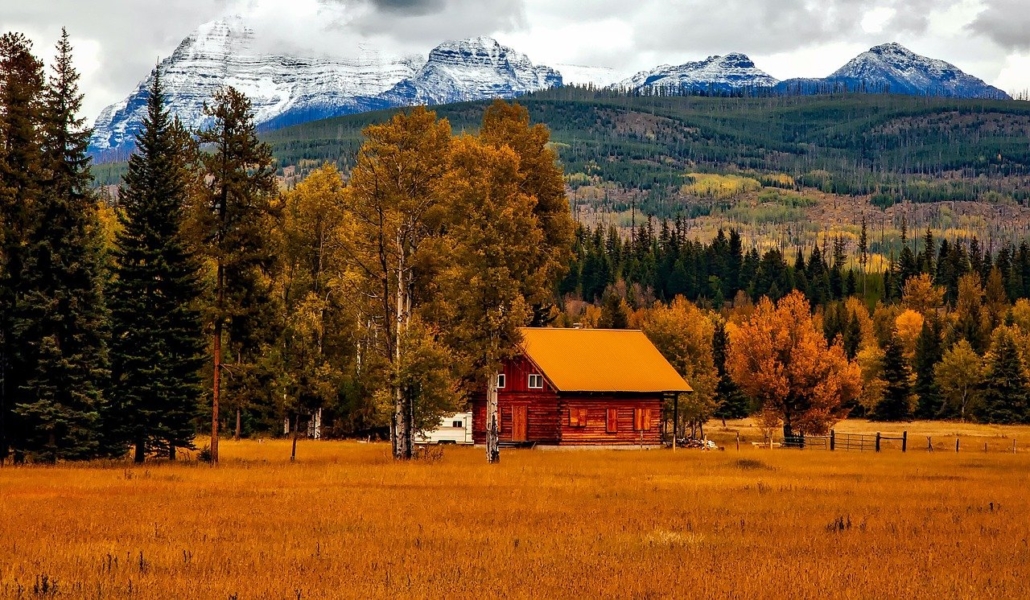
It’s that time of year again when the leaves turn a rainbow of colors and frost is on the roof in the morning. While there may still be more days to enjoy the beauty of Northern Michigan, if you do not plan to spend the winter there, winterizing the plumbing in your cottage should be a priority. Here we will go through what is involved in this process.
The Process of Winterizing Your Cottage
While it’s obvious that water can cause damage, we often underestimate the extent of that potential damage. Cold weather will freeze any water left in your pipes or fixtures, and, as it turns to ice, it can expand with so much force that the ice rips a hole in even metal pipes. When the water eventually thaws, either in the spring or during a winter warm up, it will rush through the hole in the damaged pipe and spray out on ceilings and inside walls, over floors and through them. In addition to cosmetic damage to sheetrock and flooring, this can lead to ceiling damage, roof damage, mold, electrical problems, and even affect the structural integrity of the home itself.
Avoiding the extreme hassle and expense of dealing with extensive water damage is why winterizing is so important when the weather turns cold. You do not want to be worried about the condition of your pipes when the next winter vortex occurs. So what exactly is involved?
Essentially, winterizing involves shutting off the water to your cottage at the water meter, insulating it, and emptying your home of any remaining water. If it’s not there, that means it can’t freeze and burst a pipe. We don’t think of all of the places water can be, though, so below is a rundown. Follow a checklist and work from one end of the water system to the other, and you’ll be less likely to miss a step.
Shut off the power – Turn off the electrical power to the water pump and the water heater. Shutting off the power protects the elements inside the heater so they are not trying to heat water that is no longer present.
Interior plumbing – If you’re lucky and your cottage’s plumbing was well designed, all of the pipes will drain to one point and the water supply lines will slope down to a single set of drain valves. If not, you may need to crawl around and discover where all the pipes go and the valves are. Open all of the valves and the taps both inside the cottage. These should remain open all winter so any water in the system will drain.
If you think there could be any water in the pipes, attach an air compressor to the drain valve and blow out the water through the taps. Do not blow more than 35 pounds of pressure or you could damage the pipes. Every sink, tub, toilet, and faucet should blow clear. A shower may take a little longer to blow out.
Water heater – Attach a hose to the drain valve of the water heater and drain it completely. If the water heater is outside or underneath the cottage, the hose will direct it away from the heater instead of letting it pool at its base. If there is a pressure or gravity tank elsewhere like in a boathouse, make sure to drain it as well. If there’s a jet pump, remove the drain plug and let all of the water between the pump and the pressure or gravity tank drain.
Antifreeze – Add one or two cups of antifreeze (propylene glycol) to the jet-pump case to protect the casing and the impeller inside it from freezing. Then pour antifreeze into all sinks, tubs and showers, floor drains, dishwashers, and laundry drains. Toilets will require nearly a gallon of antifreeze. Pour it into the drain tube that’s in the toilet tank until it runs into the bowl and then fill the tank until the flapper is submerged. Top off the toilet bowl with more antifreeze until the hole is covered. A dishwasher will also require a gallon or so of antifreeze to fill up its internal components.
Obviously, this is an involved process, but the time and the small expense is insurance against the much larger time and expense a burst pipe or pipes will cost, so it’s worth it to protect your property. If you would like help with winterizing the plumbing in your cottage, call us at Weinkauf Plumbing & Heating. We can get your pipes and plumbing fixtures ready for winter so reopening your cottage next spring will be a breeze!