Low Water Pressure? Here Are Some Causes and Solutions

When you turn the faucet on, how fast does your water flow? Is it steady, or do you have to wait minutes just to fill up a pot of water? Does the water trickle out from your showerhead? This can be very frustrating. If you have low water pressure in your home, it can range from being a minor inconvenience to a major interruption of your life, affecting your whole day, from your morning shower to your after-dinner cleanup. What causes low water pressure? In this blog piece we will explain its root causes and give you practical solutions to restore the functionality of your home’s plumbing system and improve your daily life. 

Causes of Low Water Pressure

What are the causes of low water pressure? Here are the most common:

Clogged Pipes – Over time, the minerals in your water supply will often deposit in your pipes, leading to reduced water flow. This is especially true if your home has galvanized iron pipes. Other types of clogging can also occur. The solution for this problem would be to identify the clogged pipe section or sections and either clear or replace them. This would be a job for a professional plumber. 

Corroded Pipes – Unfortunately, pipes do not last forever and can corrode over time, restricting water flow and leading to low water pressure. Corroded piping must be replaced eventually, which is a larger job. Weinkauf Plumbing & Heating would be happy to assess the extent of the problem and discuss options for pipe replacement with you. 

LeaksWater leaks can cause many problems in your home, from water damage and mold growth to higher water bills, so regularly inspect your pipes for leaks, especially if you’re seeing higher water bills and are not using more water. Repairing a leak may require patching a pipe or replacing it entirely with a new one. 

Fixture Problems – the same sediment that can build up in your pipes and cause a loss of water pressure can also accumulate in your faucet or showerhead. If you’ve noticed low water pressure in just one sink or bathtub, it’s more likely to be the fixture than a general piping problem. The solution to this issue would be to clean the aerators within the fixtures or replace the fixtures themselves. 

High Water Demand – Here’s an issue that is not a fault of your plumbing system. If you have high demand in your home or your neighborhood due to times of peak water use, you should schedule activities that involve higher water demand, like doing laundry or watering the lawn, for times when fewer people are using water. Of course, if this issue is very common in your neighborhood and happens regularly, it may be a larger problem that your municipality or water supplier will have to fix. 

Pressure Regulator Failure – If your home has a pressure regulator, low water pressure could be a failure of the regulator. Test the pressure with a gauge and adjust the regulator accordingly. If the regulator is faulty, replacing it may solve your problem.

Water Meter Valve Problem – Finally, sometimes low water pressure can be a simple matter of a partially closed water meter valve. The solution may be as simple as adjusting the main shutoff valve to ensure it’s fully open.

Improving the Water Pressure in Your Home

If none of the above are the cause of your lower water pressure, you could still improve it by installing water pressure booster pumps. Talk to us at Weinkauf about this option if you are not satisfied with the water pressure in any part of your home. We can make it better!

Low water pressure can result from a number of issues. Some of them can be fixed easily by cleaning a clogged aerator or checking your water meter valve. Others, like corroded piping, are more complex and expensive to address. If you’re not sure what the cause is, a licensed, experienced plumber can examine your pipes and ensure that any problems are solved so that your plumbing system will again operate smoothly and efficiently. If you’d like to see a fast solution to any plumbing problem in your home, call Weinkauf Plumbing & Heating today!  
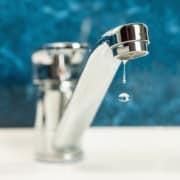
 

The Hidden Costs of Your Leaky Faucet

A leaky faucet is a common plumbing problem that, while it seems like only a minor annoyance, can have many hidden costs for homeowners, ranging from increased water bills to home damage. In this blog piece we will list many of the ways your leaky faucet is costing you and talk about what you can do to fix water leaks in your home. 

A Leaky Faucet Costs You Money 

Increased Water Bills

The most obvious impact of having a leaky faucet is on your water bill. One drip per second doesn’t seem like a plumbing emergency, but the loss works out to over 3,000 gallons of wasted water a year. Depending on your water costs, this could translate into a pricey hike in your yearly water bill.

Potential for Further Damage

That drip may also be a sign of more significant plumbing problems. Also, the constant water loss can lead to corrosion and wear on your pipes and fixtures, resulting in more costly repairs or replacements of your pipes and faucets.

Health and Property Damage Caused by Leaks 

Mold and Mildew Growth

Any place that is continuously wet or moist creates a breeding ground for mold and mildew to thrive in. This can cause health issues over time, especially for people with allergies or respiratory problems. By fixing a leaky faucet promptly, you can prevent the potential health risks associated with mold exposure.

Water Damage

Even a small leak can lead to significant water damage to countertops, cabinets, and floors over time. The cost of repairing water damage can be substantial, far more than what it would cost a plumber to fix a simple leak.

Decreased Home Value

Both water damage and mold growth can have a catastrophic impact on the value of your home, especially when left unchecked. Water is necessary for life, but it’s also one of the most destructive forces on the planet. If you hope to sell your home one day, any potential buyer is likely to be put off by signs of water damage and the lack of maintenance of your house. 

Environmental Concerns

It may not feel like it in our water wonderland state of Michigan, but freshwater is a limited resource. The production and delivery of water require energy. When you waste water by allowing a faucet to leak, you’re also wasting the energy that went into treating and pumping that water to your home. It hurts the environment as well as your pocketbook. 

How to Fix Your Leaky Faucet

Fixing a leaky faucet is often a straightforward DIY project, involving the replacement of washers, O-rings, or a faucet cartridge. But if you’re uncomfortable with doing plumbing repairs yourself or if the problem persists after you’ve switched out an O-ring, it’s wise to call a professional plumber. At Weinkauf Plumbing and Heating, we are always here for the people of Alpena, Michigan and the surrounding area. Give us a call, and we’ll have your faucet repaired right away. 

The hidden costs of your leaky faucet are more than what you think when you see a drip fall into your sink or tub. By taking action to repair leaky faucets promptly, you can save money, avoid potential health risks, prevent property damage, and contribute to the conservation of our state’s precious water resources.


Should You Repair or Replace Your Furnace?

As Michiganders, we know something about living in a cold climate. At least half of the year we depend on our furnaces to keep us warm and comfortable. When your furnace starts showing signs of trouble, one of the biggest decisions you face as a homeowner is whether to repair the existing unit or replace it entirely. There are many factors to take into account, including the cost of the repair vs. the cost of replacement, the age of the furnace, the unit’s energy efficiency, and how often it is breaking down. This blog will help you understand these factors and more, so you will be able to make a better, more informed decision.

Repair vs. Replace Your Furnace: Factors to Consider

A major repair is always unwelcome news. No one really wants to spend money getting something that was functioning fine in working condition again. However, having reliable heat is very important in the winter, and, in certain very cold temperatures, it can mean the difference between life or death. That’s why being able to assess your situation based on objective information is helpful. Below are the things that we think you should consider when you’re deciding whether to repair or replace your furnace.

The Age of Your Furnace

The first factor to consider is the age of your furnace. Most furnaces have a lifespan of 15 to 20 years. If your furnace is approaching or has surpassed this age range, it will likely be more cost-effective to replace it than to repair it because individual parts are expensive and newer models are more efficient. A new unit will save you money on your energy bills in the long run, so you need to ask yourself if you want to throw good money after bad. 

Frequency and Cost of Repairs

Ask yourself how often your furnace has required repairs in the recent past. If you’re calling in a technician more often than before, these repair costs can add up quickly, making replacement a more financially sound option, especially if the unit is old. A good rule of thumb is that if the cost of repairs approaches 50% of the value of your furnace, replacement is generally the more economical choice.

Energy Efficiency 

Older furnaces tend to be less energy-efficient. If your energy bills have been rising over time, this could be due to the decreased efficiency of your aging furnace. Compare the efficiency ratings (AFUE or Annual Fuel Utilization Efficiency) of your current furnace with newer models. This is the ratio of the furnace’s annual heat output compared to its total annual fossil fuel energy consumed. A higher AFUE rating indicates a more efficient unit.

Heating Performance

Have you noticed cold spots in your home? If your furnace struggles to maintain your home at a comfortable temperature or heats your home unevenly, this could be a sign of a malfunctioning system. A new furnace will provide consistent and efficient heating.

Safety Concerns

“Safety first” should always be your motto with your heating system. If its overall safety ever seems in any way compromised, it’s time for a new furnace. Older furnaces can develop cracks in the heat exchanger, leading to carbon monoxide leaks. This would also necessitate an immediate furnace replacement.

Technological Advancements

New furnaces often feature improvements like smart thermostats, variable speed motors, and better air filtration systems. If cleaner air and round-the-clock comfort are your goals, opting for a new furnace is a solid choice. 

Financial Incentives and Rebates

Research any available rebates or tax incentives for installing an energy-efficient furnace. Local utilities often offer them, and sometimes there are government programs that reward homeowners who invest in energy-efficient appliances. These incentives can significantly offset the cost of a new furnace, making replacement a more attractive option.

Personal Comfort and Peace of Mind

Having a furnace die in the middle of a blizzard or a polar vortex is a very unpleasant and potentially very costly experience for any homeowner, so consider your personal comfort and peace of mind. If your current furnace causes you frequent worry or discomfort, the investment in a new furnace could well be worth the cost. 

Deciding to repair or replace your furnace depends on a combination of factors including age, repair history, efficiency, safety, and personal comfort. While the initial cost of a new furnace might be higher, the long-term savings, efficiency, and peace of mind can make it a worthwhile investment. 

If you have concerns about your furnace, contact the certified technicians at Weinkauf Plumbing & Heating to assess the condition of your furnace and provide you with a recommendation based on your specific situation. The right decision not only impacts your immediate comfort but also your home’s value, so trust the professionals with your HVAC system.


Carbon Monoxide Safety and Your HVAC System in Winter

It’s January in Michigan. We are in the coldest part of the year – which means your furnace is working its hardest to keep you and your family warm and cozy around the clock. A properly functioning heating system puts out a lot of heat, but it does so safely, without producing toxins that could cause harm. In this blog we will talk about the risk of carbon monoxide poisoning from improperly maintained HVAC systems so that you will know what you need to do to prevent or detect it in your home. 

Carbon Monoxide Gas, the Invisible Killer

What is carbon monoxide? CO is a colorless, odorless gas that is produced as a byproduct when fuels like gas, oil, kerosene, wood, or charcoal are burned. In large enough amounts, carbon monoxide can be deadly to inhale. 

How can this happen? Primarily if your furnace does not burn its fuel completely, although furnaces are not the only source of CO. Other household appliances, like boilers, gas stoves, fireplaces, and water heaters, can also produce carbon monoxide gas and become dangerous if your home is inadequately ventilated.

While you can’t see or smell carbon monoxide, there are early warning signs of CO poisoning, including headaches, dizziness, weakness, nausea, and confusion. If a person inhales enough CO gas, he can experience severe health issues, including unconsciousness and death. This is because carbon monoxide interferes with the body’s ability to absorb oxygen – something we all need – leading to serious tissue damage. 

Detecting Carbon Monoxide in Your Home

CO cannot be detected without the use of special equipment. You should install carbon monoxide detectors on every level of your home, especially near bedrooms. They will alert you if CO levels rise. Like your smoke alarms, you should test these detectors regularly and replace their batteries as needed. A CO detector has a typical lifespan of between 5 and 7 years, so if yours are older than that, get new ones. 

How to Prevent Carbon Monoxide Buildup

There are a number of things you can do to prevent the danger of carbon monoxide buildup in your home. These include:  

Regular HVAC Maintenance – The first line of defense against CO poisoning is scheduled HVAC maintenance. These periodic checkups ensure your HVAC system and any other appliances that burn fuel are inspected and serviced annually by a qualified technician. HVAC professionals are trained to identify potential hazards, like a cracked heat exchanger or blocked chimney, that could lead to CO buildup.

Proper Ventilation – CO is not dangerous in very small amounts, which is why proper ventilation is crucial. Never use a gas oven to heat your home if your furnace isn’t working or burn anything in a stove or fireplace that isn’t vented. Do not use portable fuel-burning camping equipment or generators indoors either. Carbon monoxide poisoning is also possible if you run your car or truck inside a closed garage. Any vents, including your dryer vents should always be kept clear of snow and other debris.

Education – Educate your family or anyone living in your home about the dangers of CO poisoning. Teach them the symptoms to look for and the importance of evacuating the house and calling 911 if a CO alarm goes off. Immediate treatment is critical to a good outcome if CO poisoning occurs. The person should be moved to fresh air, and medical attention should be contacted. 

Safety First! 

There are many enjoyable things about the winter season, but it’s also important to stay warm and stay safe. Regular maintenance of your HVAC system, proper use of appliances and carbon monoxide detectors, and awareness about carbon monoxide can make all the difference. 

If you have any concerns or questions about carbon monoxide or how well your furnace and other gas-fueled appliances are working, please call us at (989) 354-5427. We will be happy to schedule someone to take a look at your HVAC system and make recommendations for its maintenance and most efficient use. Contact us today! 


The Most Common Kitchen Plumbing Problems

The kitchen is one of the most used and most necessary rooms in your house, and in this busy hub, the plumbing system does a crucial job. Fully functional plumbing keeps your clean water running and the gray water draining so you can accomplish everything from your morning coffee to late-night dishwashing. Everyday activities in the kitchen can lead to various plumbing problems, however. Let’s talk about some of the most common kitchen plumbing problems. 

Your Most Common Kitchen Plumbing Problems

Here are some of the plumbing problems people complain most about in their kitchens:

  • Drippy Faucets: An annoyance in many kitchens, leaky faucets usually happen because of worn-out washers or O-rings. Sometimes, a simple washer swap can fix it, but this depends on the type of faucet you have.
  • Clogged Sinks: Clogs are a common headache, and they can often be fixed with a plunger or plumber’s snake. However, if the clog persists or gets severe, you may have a deeper plumbing problem.
  • Garbage Disposal Hassles: If you misuse or don’t maintain your garbage disposal, it can easily get clogged or jammed. Regular cleaning and avoiding putting tough or fibrous foods down your garbage disposal can help prevent these issues.
  • Dishwasher Plumbing Problems: Dishwashers occasionally act up, like not getting water or not draining properly. These problems are most often caused by faulty valves or clogged drain lines.
  • Low Water Pressure: Low water pressure is irritating and might be caused by a clogged aerator, a leaky pipe, or problems with the main water supply.

Signs You Need a Professional Plumber

While a handy person may be able to deal with smaller kitchen plumbing problems, some issues do need a professional’s touch. Knowing when to call a plumber can save you time, money, and prevent more damage. Here are some signs that it’s time to seek expert help:

  • Persistent Clogs or Backups: If you’re always reaching for the plunger, it might be time for a plumber. Frequent clogs or water backing up in other places like your bathtub or toilet could mean you have a deeper blockage in your main line. These types of blockages require special equipment and training to diagnose and repair.
  • Major Leaks: Big leaks, especially in hard-to-reach areas like behind walls, can cause serious damage to your home. Plumbers can fix the leak, assess any damage that may already have occurred, and recommend solutions to remediate the damage and prevent it from happening again. .
  • Low Water Pressure Everywhere: A clogged faucet aerator is a simple repair, but low water pressure throughout your house signals a bigger problem. This might be an issue with your main water line, like a leak, blockage, or corrosion of your pipes. A trained plumber can diagnose the cause, repair it, and restore your water pressure to normal.
  • New Appliance Installation: Installing appliances like dishwashers and garbage disposals incorrectly can lead to leaks, poor performance, or damage to these items. A professional plumber knows how to perform proper installation and can make sure that it complies with local building codes. 
  • Signs of Water Damage: Unexplained water stains, peeling paint, or warped flooring can indicate hidden leaks. Any water leak can cause significant damage to your home over time. A professional plumber can find the source of the leak and make repairs to prevent further water damage.

When kitchen plumbing headaches become more than just minor annoyances, it’s time to bring in the experts. At Weinkauf Plumbing & Heating, our team of skilled professionals is ready to tackle any plumbing challenge, from stubborn clogs to elusive leaks. In Alpena, Michigan, we’re just a call away. Reach out to Weinkauf Plumbing & Heating today and let us handle the plumbing, so you can get back to enjoying your kitchen and appliances without a worry. You deserve the best—call us for plumbing peace of mind!


Residential Valued Customer Plans – Your Gateway to Comfort and Savings!

Why Not Maintaining Your Home Systems Can Cost You More: Introducing Residential Valued Customer Plans (RVCP)

Are you aware that neglecting regular maintenance of your home’s heating, cooling, and plumbing systems could be costing you significantly? At Weinkauf Plumbing & Heating, we understand these challenges and are thrilled to introduce our Residential Valued Customer Plans (RVCP) – maintenance plans and service packages that not only enhance efficiency but also save you from potential financial pitfalls.

The High Cost of Neglect

  1. Furnace Maintenance: A well-maintained furnace can save up to 30% in energy efficiency, reducing your utility bills. However, ignoring this can lead to decreased efficiency and increased energy costs. Consider the RVCP Furnace Plan at just $18/month to avoid these unnecessary expenses.
  2. Water Heater Upkeep: Failing to maintain your water heater can lead to leaks, heating element failure, or complete unit breakdown. With repairs costing an average of $591, the RVCP Water Heater Plan at $5/month is a small price to pay for peace of mind.
  3. Air Conditioning Care: Air conditioning units require regular tune-ups. Neglect can lead to costly repairs ranging from $150 to over $2,500, including $600 to $2,500 for compressor replacement. Our A/C Plan at $10/month is a smart investment to mitigate these hefty repair bills.

Comprehensive Coverage with RVCP

  1. Deluxe Package: Our Deluxe Package for $30/month covers all three systems and offers a 5% discount on additional HVAC or plumbing work. This comprehensive approach not only saves you money on maintenance but also on potential repairs and energy costs.
  2. Enhanced Efficiency and Savings: Proper maintenance can improve system efficiency by 10%, translating to significant utility savings. Avoiding maintenance can lead to problems like clogged AC drain lines, which can cost $75 to $250 to fix.
  3. Increased Home Value: Homes with documented regular maintenance are more attractive to buyers, potentially increasing your property’s value.

Joining a Weinkauf Residential Valued Customer Plan is not just about maintaining your home systems; it’s about protecting your investment from unnecessary and often substantial repair costs. Our team at Weinkauf Plumbing & Heating is committed to providing you with the best possible service and peace of mind.

Contact us today to inquire and learn more!

How HVAC Systems Control Humidity

When you feel sticky on a hot summer day or your skin feels dry in January – that’s due to humidity, or the amount of moisture in the air. Humidity significantly affects your personal comfort, and it also impacts the efficiency of your HVAC system. In this blog post, we will discuss how HVAC systems control humidity and explore the effects of humidity on both HVAC systems and personal comfort.

Humidity in Michigan

The state of Michigan is surrounded by water, and it also has more than 11,000 inland lakes or 1,300 square miles of inland water. We are a water-rich state, which is a blessing. We also have to deal with fluctuations in humidity, which can be less pleasant. The humidity in Michigan varies throughout the year because we experience four distinct seasons. In spring, summer, and fall, the weather can be quite humid and sticky, while in winter, especially after the furnace kicks on, the air inside and outside is cold and dry. 

How HVAC Systems Control Humidity

Dehumidification

During the hot, muggy summer months, your HVAC system works to remove excess moisture from the air by passing warm, moist air over a cooling coil. The moisture condenses on the coil and is drained away. Dehumidification not only makes your home more comfortable, it also helps prevent mold growth and other moisture-related damage.

Humidification

Conversely, during the drier months, your HVAC system can add water to the air. This humidification process helps prevent issues like dry skin, static electricity, and discomfort caused by excessively dry air.

Too Humid or Not Humid Enough? 

Humidity affects our personal comfort because it influences how we perceive temperature. High humidity can make a room feel warmer, while low humidity can make it feel cooler. Maintaining the right humidity levels can help occupants feel more comfortable and reduce people’s need (or desire) to fiddle with the thermostat.

Humidity levels also affect personal health. High humidity can make it difficult for our bodies to cool down through evaporation. It’s uncomfortable and can cause lethargy or even heat stroke. Low humidity can lead to dry skin, irritated eyes, and respiratory issues. Balancing humidity ensures that your home will be healthier and more comfortable.

Effects of Humidity on HVAC Systems

The humidity level of your home will affect the efficiency of your HVAC system. High humidity can make a space feel warmer than it actually is, leading to overuse of the air conditioning system. On the other hand, low humidity can make a room feel colder, and you will feel like turning up the thermostat. Maintaining the right humidity level can help HVAC systems operate more efficiently and save you money on energy costs.

If your home is too humid for too long, your HVAC equipment can suffer moisture-related damage. High humidity can also promote the growth of mold and mildew, which can affect system components and air quality. Proper humidity control will extend the lifespan of your HVAC system and reduce the need for frequent repairs or replacement.

Humidity control is an essential aspect of HVAC systems. Properly balanced humidity levels contribute to a more comfortable and healthier indoor environment while allowing HVAC systems to operate optimally. If your home is too humid in the summer or too dry in the winter, there are changes you can make to your HVAC system to alleviate this. Call us at Weinkauf Plumbing & Heating to talk about any problems you’re having with your furnace or air conditioner or upgrades you are thinking of making. We will be happy to discuss your options with you. 


The Benefits of Using a Programmable Thermostat

When the seasons begin to change, we appreciate our heating and cooling systems more. As fall turns to winter, it’s important to be able to rely on your heating system to keep your home or business cozy and comfortable. Energy bills are high, though. This is why Weinkauf Plumbing & Heating recommends that our customers install and use a programmable thermostat. In this blog we will go through the benefits to homeowners and business owners, especially in areas like Northern Michigan where it gets cold and stays cold for long periods of time. 

What Is a Programmable Thermostat? 

A programmable thermostat is a thermostat that is equipped with a digital interface that allows users to set their own temperature instructions based on their daily or weekly heating or cooling needs. Users can lower the temperature in the house when they are not at home or during the hours when everyone is asleep. Some thermostats can even detect room occupancy and adjust temperature based on data they have gathered about use. 

Manual thermostats require homeowners to fiddle with dials whenever a change in temperature is needed, while programmables allow users to plan ahead for comfort and energy savings. 

Key Benefits of Using Programmable Thermostats

A programmable thermostat provides greater control over your heating and cooling systems, allowing you to customize temperature settings throughout the day and week. Here are some of their best features:

Energy Savings: Programmable thermostats help reduce your energy consumption and lower your utility bills. By programming your thermostat to adjust the temperature based on your family’s schedule, you can avoid heating or cooling an empty home or office. This can lead to significant cost savings over time.

Increased Comfort: You can set your programmable thermostat to maintain your ideal indoor temperature, ensuring that your space is comfortable whenever you’re there. The thermostat will automatically adjust the temperature before you wake up or return home, so you won’t have to “put on a sweater” while your furnace works to catch up. 

Convenience: Programmable thermostats offer convenient features like pre-programmed settings and the ability to control your HVAC system remotely through smartphones or computers. You can make adjustments to the temperature even when you’re away, ensuring comfort and energy savings. You can even receive alerts or notifications regarding system performance or maintenance needs.

Consistency: If your home or business requires precise climate control, a programmable thermostat is what you need. 

Reduced Wear and Tear: By minimizing temperature fluctuations, programmable thermostats reduce the strain on your heating and cooling systems. This can extend the lifespan of your HVAC equipment and reduce the frequency of furnace repairs.

Environmental Benefits: Using less energy to heat or cool your space reduces your carbon footprint. Programmable thermostats contribute to environmental sustainability by conserving energy and reducing greenhouse gas emissions.

Compatibility: Programmable thermostats are often compatible with a wide range of heating and cooling systems, making them a versatile and practical choice for most homes and businesses.

Using a programmable thermostat offers energy savings, increased comfort, and convenience by allowing you to tailor your heating and cooling settings to your schedule and preferences. Whether you’re looking to reduce your energy bills or enhance your comfort this winter, adding a programmable thermostat to your HVAC system would be a great idea. Many Michigan consumers are switching and realizing these benefits. 

If you would like to upgrade your heating and cooling system or need service or maintenance, Weinkauf Plumbing & Heating is always available to answer your questions. Call us today at (989) 354-5427!


It’s Time for Fall Plumbing and HVAC Maintenance!

The summer light is fading, and cooler temperatures are now in the forecast. For many people this is great news – fall is their favorite season. It’s also the perfect time to give your HVAC and plumbing systems a tune-up. As winter approaches, these systems will be working harder than ever to keep your home comfortable. By taking some time now to perform fall plumbing and HVAC maintenance, you can prevent costly repairs and inconvenient outages when you least need them. 

A Helpful Fall Checklist

Here are some essential plumbing and HVAC maintenance tasks to perform in the autumn:

HVAC Maintenance:

  • Change Your Air Filters – Clogged furnace filters can reduce airflow, worsen indoor air quality, and decrease the overall efficiency of your HVAC system. Changing your air filter will help improve the air quality in your home and help your furnace run more efficiently. This is the simplest and yet most effective thing you can do for your HVAC system.
  • Test Your Furnace Turn on your furnace before it gets cold to ensure it’s working correctly before you need it. Listen for any unusual noises, and if you notice any issues, contact us to schedule an appointment for repair.
  • Inspect the Chimney and Flue – If you have a fireplace or wood-burning stove, have your chimney and flue inspected and cleaned, if necessary. Creosote buildup is a potential fire hazard.
  • Seal Any Leaks and Insulate – Check your doors and windows for drafts and seal any gaps with weatherstripping or caulking. To prevent heat loss, insulate attic spaces, and your basement or crawl space.
  • Clean Heating Vents and Registers – Your heating vents and registers need to be clear to ensure even heating throughout your home. Vacuum them and remove any accumulated dirt, pet hair, and debris. This will also help mitigate any fall allergies. 
  • Check Your Thermostat Settings – Adjust your thermostat settings for fall. To save on energy costs in this tough economy, consider programming a lower temperature setting during the nighttime or when you’re away.
  • Schedule Professional Maintenance – Consider scheduling professional HVAC maintenance service. Our HVAC service technician will perform a thorough inspection, clean your system, and make any necessary repairs to keep your furnace running efficiently all winter.

Plumbing Maintenance:

  • Clean Your Gutters and Downspouts – This will prevent water from backing up and causing flooding in your home. 
  • Drain and Insulate Outdoor Faucets – Disconnect and drain any outdoor hoses, and shut off the water supply to outdoor faucets. Insulate these faucets with foam covers to prevent them from freezing and creating potential damage to your pipes.
  • Check for Leaks – Inspect all of your visible plumbing for leaks, including plumbing located under sinks and around toilets. If you have any leaks, immediately address them as they waste water and can cause significant water damage. 
  • Flush Your Water Heater – Drain and flush your water heater to remove any sediment buildup. The sediment that accumulates over time will reduce its efficiency.
  • Insulate Pipes – While you’re addressing heat loss in your attic or basement, remember to insulate any exposed water pipes as well. This will prevent them from freezing and potentially bursting.
  • Test Your Sump Pump – If you have a sump pump, test it to ensure it’s in good working order. Fall is a rainy season in Michigan, which can lead to increased water in basements, so a functional sump pump is essential. Raise the float and make sure it runs correctly, and check the battery and the backup one if you have one.
  • Check the Septic System – If you have a septic system, consider having it inspected and pumped as needed to prevent backups.
  • Schedule Professional MaintenanceContact a licensed plumber for a more comprehensive plumbing checkup. He will be able to identify any hidden issues and provide recommendations. If you already have plumbing problems, call now. A small problem can quickly turn into a big headache and expense if it is not addressed promptly.

Winter Is Coming

September is National Preparedness Month. By performing the above plumbing and HVAC maintenance tasks in the fall, you can help ensure that you and your family will have a warm, cozy, hassle-free winter. You’ll also save on energy costs and prevent costly repairs down the road. For maintenance or service, call us anytime at Weinkauf Plumbing & Heating. We will be there fast to solve your problem!


What Are Some Common Toilet Problems?

Common toilet problems can range from minor annoyances to more serious issues that require professional attention. Weinkauf Plumbing & Heating provides plumber service in Alpena, Michigan. In this blog we talk about the toilet problems we encounter, with our recommendations for how to fix them. 

What’s Wrong with Your Toilet?

All plumbing emergencies are bad, but a toilet problem often seems especially dire. Some repairs are merely annoying, while others must be addressed right away, obviously. We’ll rank these problems from minor to major. 

Condensation: In an environment like a poorly ventilated bathroom, toilets can sometimes develop condensation on the outside of the tank when there is high humidity. Some people may mistake any resulting water on the floor for a leak, but it’s not. While this isn’t a serious issue, it can be annoying. Adding an exhaust fan can help. 

Noisy Toilet: If your toilet makes loud noises after flushing, such as whistling or humming, this can be due to issues with the fill valve – that or the water pressure or other components. 

Running Toilet – If your toilet keeps running and will not shut off, that’s a larger issue. The noise is the least of it; any leak will result in significant water waste and run up your water bill, so it’s best to deal with it right away. A running toilet can be caused by a faulty flapper valve, a malfunctioning fill valve, or an improperly adjusted float. If you’re handy or on a tight budget, this problem is probably one you can fix yourself with some replacement parts. 

Phantom Flushing – This is a related problem. If you hear your toilet refilling on its own even though nobody has flushed it, it’s because there is a slow leak from the tank to the bowl. Like a running toilet, if you replace the leaking part, you’ll have fixed it. 

No Flush: A toilet that will not flush could be broken in a number of ways. It could have a broken handle, a disconnected chain, or a malfunctioning flush valve. 

Weak Flushing – If your toilet flushes half-heartedly, this could be one of two problems: not enough water in the tank or drainage failure. Again, it could be because of an issue with the flush valve or the flapper. Adjusting the water level or replacing these components might solve the problem.

If the toilet flushes but the water doesn’t swirl strongly enough to remove waste effectively, there might be a partial clog or an issue with the toilet’s trap or drainage system. If you’ve determined it’s not a tank problem, it’s probably time to consult a plumber. 

Clogging: This is one of the most common toilet problems. A clog can be caused by excessive toilet paper, foreign objects, or a buildup of waste over time. A minor clog can be dislodged by using a plunger, but more severe clogs often require a plumber’s snake or professional assistance.

Leaking Toilet: A leaking toilet can lead to higher water bills and, worse, significant water damage. Leaks can occur around the base of the toilet or from the tank to the bowl. Replacing seals or components can often fix the issue.

Cracked Toilet Bowl or Tank: Cracks in the toilet bowl or tank can lead to leaks and potential water damage too. If you notice cracks, it’s important to address them promptly. You will need to replace your toilet.

Expert Plumber Service in Alpena, Michigan

If you encounter any of these common toilet problems and you’re not comfortable fixing them yourself, call us at Weinkauf Plumbing & Heating. We are the plumber service you can trust in the Alpena area. We will diagnose your toilet issue and repair it right away. Customer service is our number one priority!