Water Softener FAQs: Everything You Need to Know
Hard water can lead to many unpleasant issues in your home, ranging from damaged plumbing to dry skin. Installing a water softener can be an effective solution to these problems, but you may have questions about how these systems work and what benefits they offer to home and business owners. Here are some water softener FAQs we get at Weinkauf Plumbing & Heating (with our answers) to help you decide if installing a water softener would be a good solution to your hard water.
Top 10 Water Softener FAQs
1. What is a water softener?
A water softener is a system that is designed to remove minerals like calcium and magnesium from your water supply. These minerals cause water hardness, leading to scale buildup in appliances and pipes, and they reduce the effectiveness of soaps and detergents. A water softener eliminates these minerals and provides “soft” water, which is gentler on your plumbing and skin.
2. How does a water softener work?
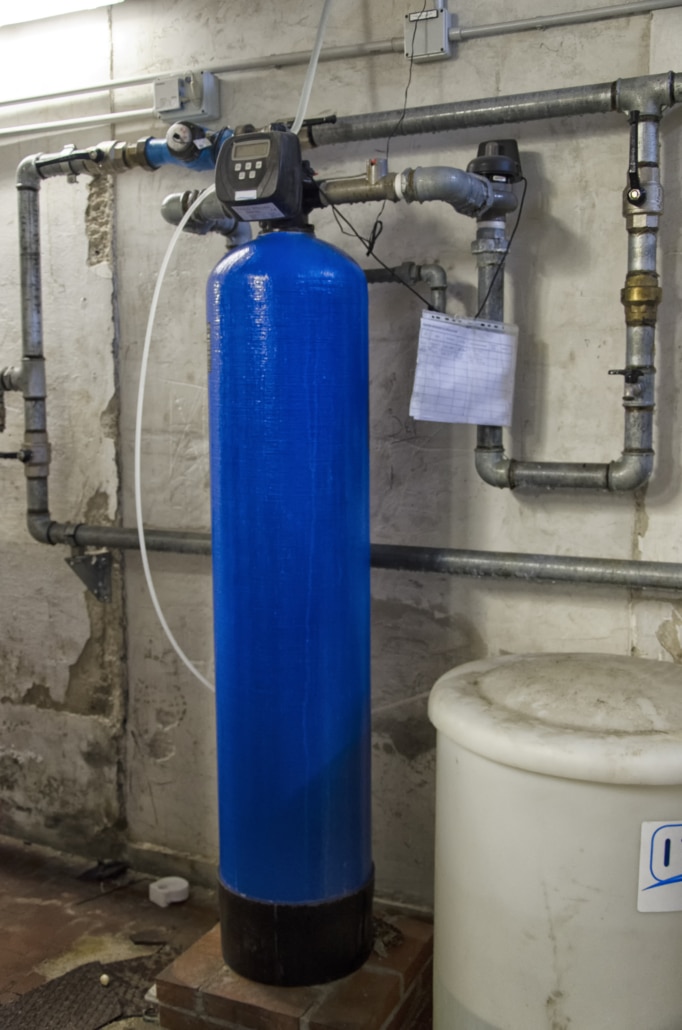
Water softeners typically use a process called ion exchange. Hard water passes through a tank filled with resin beads that are charged with sodium or potassium ions. As the hard water flows over the beads, the calcium and magnesium ions swap places with the sodium or potassium ions, effectively removing the hardness-causing minerals from the water. The system then periodically regenerates, flushing the accumulated minerals and recharging the resin beads with new sodium or potassium ions.
3. What are the benefits of installing a water softener?
There are a number of benefits for homeowners. First, soft water reduces scale buildup, which extends the life of appliances like dishwashers, washing machines, and hot water heaters. It also prevents mineral deposits in pipes. This reduces the risk of clogs and corrosion.
Additionally, soft water improves the ability of soap to lather, and more soap bubbles mean cleaner dishes, laundry, and skin. Hard water is notorious for causing dry skin and irritation; if you soften your water, your skin and hair will be softer too.
4. How do I know if I have hard water?
Hardness is measured in parts per million (ppm), with 120 ppm officially qualifying as hard water. According to the City of Alpena’s 2023 Water Quality Report, the average result for CaCO3 in Alpena is 112. In Oscoda county, it is 108. Water hardness can also be measured in grains per gallon (gpg), where one grain equals 0.002 ounces of calcium carbonate dissolved in one gallon of water. Anything over 7.5 gpg is considered hard water.
Common signs of hard water include scale buildup on faucets and shower heads, soap scum in sinks and bathtubs, spotty or cloudy dishes, dry skin and hair, and reduced water flow from clogged pipes.
For a definitive assessment, consider scheduling a professional water test. Weinkauf Plumbing & Heating will test your water for free to determine your water’s hardness and recommend appropriate solutions.
5. How often does a water softener need maintenance?
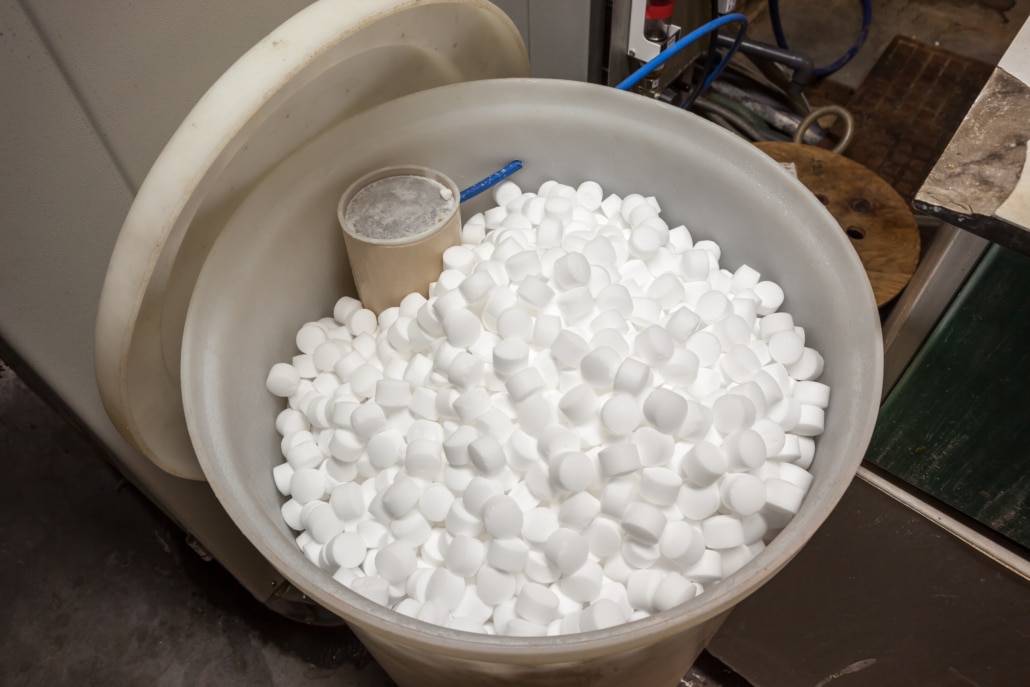
Regular maintenance ensures optimal performance of your water softener. This includes replenishing the salt or potassium in the brine tank as needed, usually every few weeks, depending on your water usage and hardness level. It’s also helpful to have a trained professional inspect and service the system annually to check for issues and clean the resin tank. Weinkauf also offers this service to our customers.
6. Can I install a water softener myself?
While it’s technically possible for a handy homeowner to install a water softener, we recommend that you have a professional handle it. Our professionals will make sure your unit is correctly sized for your home, installed without leaks, and complies with local plumbing codes. This will make a real difference in how efficiently it will operate and how long it will last.
7. Are there different types of water softeners?
Yes, the main types include:
- Salt-Based Ion Exchange Softeners: This is the most common type and uses sodium to replace hardness minerals.
- Salt-Free Water Conditioners: These systems use alternative methods, such as template-assisted crystallization, to prevent scale buildup without removing minerals.
- Dual-Tank Softeners: These utilize two resin tanks, allowing for continuous soft water supply during regeneration cycles.
The best choice for you will depend on your specific water quality and household needs.
8. Will a water softener remove other contaminants from my water?
Water softeners are specifically designed to remove hardness minerals like calcium and magnesium. They do not eliminate other contaminants such as iron, sulfur, bacteria, viruses, or chemicals. For comprehensive water purification, consider additional filtration systems. Weinkauf also installs:
-
Whole-House Filtration Systems
-
Iron and Sulfur Removal
-
UV Purification Systems
-
Reverse Osmosis Drinking Water Systems
-
Well Water Treatment Solutions
If you want your water to be crisp, clean, soft, and odor-free, our team can make it happen for you. We can design and install custom solutions to address hard water, iron, bacteria, and other common well issues.
9. Is softened water safe to drink?
Softened water is generally safe for consumption. However, the ion exchange process adds a small amount of sodium to the water. For most people, this isn’t a concern, but individuals on low-sodium diets should consult with a doctor or choose a reverse osmosis system which will remove sodium from your drinking water.
10. How long does a water softener last?
With proper maintenance, a quality water softener can last between 10 to 15 years. Regular servicing and replacement of components, such as resin beads, will extend the system’s lifespan.
If you have hard water issues or more questions about water softeners, call us! We’re here to help in both the Alpena and Oscoda areas. Weinkauf Plumbing & Heating offers comprehensive water treatment services, including installation, maintenance, and repair of water softeners and filtration systems. Contact us today at (989) 354-5427 to schedule a free water test and consultation.