Got Dry Air? The Benefits of a Humidifier and Your Options
During the coldest months of the year, your furnace works overtime to keep your home warm and cozy. Pushing out heat has an unwelcome side effect, however: dry air. Around-the-clock heating drastically reduces indoor humidity levels which are not ideal for your health or comfort. Fortunately, you have options. Adding or installing a humidifier can help restore the balance of humidity in your home and improve your indoor air quality during winter.
Benefits of Using Humidifiers
There are a number of good reasons to be aware of your home’s humidity level and adjust it accordingly. According to the EPA, indoor humidity levels should ideally range between 30% to 50%. Why?
First, your body needs this amount of humidity to function well. Dry air pulls moisture from your skin, leaving it itchy, flaky, and prone to irritation. It can also dry out your nasal passages and throat, making you more susceptible to colds, congestion, and sinus infections. Adding humidity to the air keeps your skin hydrated and your respiratory system functioning optimally.
Dry air also impairs your sleep. It can cause snoring or worsen existing sleep issues, because it irritates your nasal passages and throat, making it harder to breathe properly.
Low humidity can cause wooden furniture, floors, and even musical instruments to crack or warp over time. It causes static electricity as well, leading to those annoying shocks you get when you walk across carpet. Static electricity also can cause damage to your electronic devices and even spark fires in very flammable environments.
Finally, dry air feels cooler than humid air, which means your furnace has to run harder for you to feel warm, worsening the problem and costing your money.
Your Options for Increasing Humidity in Your Home
If you want to increase the humidity in your home during the winter, you have a number of options available to you. These include:
Portable Humidifiers
Portable humidifiers are standalone units designed to add moisture to the air in specific rooms. They come in various sizes, and they work well if you want to add humidity to a small area like a bedroom or a home office. Portable humidifiers are affordable, mobile, and simple to use, but they do require you to refill them regularly as well as clean them to prevent the growth of mold and bacteria. They also have a limited range. If you have a larger home or many bedrooms, you will have to buy and run a number of humidifiers to create a comfortable environment to live, work, and sleep in.
Central or Furnace Humidifiers
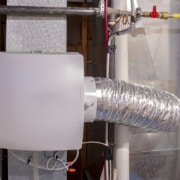
Central or whole-home furnace humidifiers are installed directly into your HVAC system and add moisture to the air as it circulates throughout your home. This results in consistent humidity levels throughout the house, and there is minimal maintenance required.
There are several types of whole-home humidifiers. Bypass humidifiers use your HVAC system’s airflow to add moisture to the air. They connect to your furnace and utilize a water panel (or evaporative pad) to introduce humidity. Fan-powered humidifiers work similarly to bypass humidifiers but have a built-in fan to pull air through the humidifier’s water panel. This eliminates the need for bypass ductwork. Steam humidifiers heat water to create steam that is injected into the furnace airflow via the home’s ductwork.
Central humidifiers are more expensive, and they also require professional installation, but once they have been installed, they are hands-off for the homeowner, with a minimal amount of maintenance.
Evaporative Humidifiers
Evaporative humidifier units use a fan to blow air over a wet wick or filter, releasing moisture into the air. These are the most common type of humidifying devices and are available as both portable and whole-home systems. The pros of this type of humidifier are that they are efficient and effective at maintaining humidity levels without over-humidifying. The drawback is that evaporative humidifiers have filters that need to be changed.
Steam Humidifiers (Vaporizers)
Most people are familiar with vaporizers because they are a go-to for treating anyone who is sick or having trouble breathing, especially children. They work by boiling water to produce steam, which is then released into the air. Vaporizers are effective for adding large amounts of moisture to the air quickly, but they use more electricity than other types of humidifiers and can pose a burn risk if they are not handled properly.
Ultrasonic Humidifiers
Finally, there are ultrasonic humidifiers that use ultrasonic vibrations to emit a fine mist of water droplets into the air. Many common aromatherapy devices use ultrasonic humidification. They are quiet to operate and energy efficient, but they also require distilled water to avoid releasing mineral particles into the air. These, like vaporizers, are typically smaller, portable units.
How to Choose the Right Humidifier
When deciding on a humidifier, consider the following factors:
- Size of Your Space: Portable humidifiers are suitable for individual rooms, while whole-home systems are ideal for larger spaces or entire houses.
- Budget: Portable units are more budget-friendly upfront, but whole-home systems can save money on energy bills and maintenance in the long run.
- Ease of Maintenance: The humidifier you choose should be easy to clean and maintain to avoid issues with mold and bacteria.
- Additional Features: Some models come with features like built-in hygrometers (to measure humidity), adjustable settings, or even smart technology for remote control.
Stay Comfortable All Winter Long
If you would like a more permanent, whole-house solution to your dry-air problem, call us at Weinkauf Plumbing & Heating. We specialize in HVAC installation and maintenance in the greater Alpena and Oscoda and Tawas areas of Upper Michigan. Contact us today to learn more about how we can help you create a healthier, more comfortable home this winter!


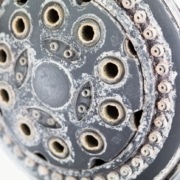
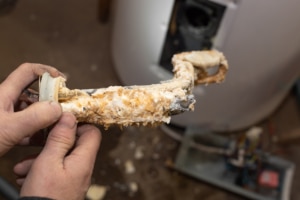 Your appliances will also suffer from exposure to hard water. Limescale buildup inside water heaters can reduce their efficiency by creating an insulating layer that forces the heater to work harder to deliver hot water. This not only increases your energy bills, it also