Low Water Pressure? Here Are Some Causes and Solutions

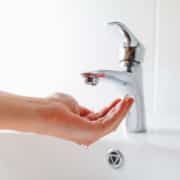
When you turn the faucet on, how fast does your water flow? Is it steady, or do you have to wait minutes just to fill up a pot of water? Does the water trickle out from your showerhead? This can be very frustrating. If you have low water pressure in your home, it can range from being a minor inconvenience to a major interruption of your life, affecting your whole day, from your morning shower to your after-dinner cleanup. What causes low water pressure? In this blog piece we will explain its root causes and give you practical solutions to restore the functionality of your home’s plumbing system and improve your daily life. 

Causes of Low Water Pressure

What are the causes of low water pressure? Here are the most common:

Clogged Pipes – Over time, the minerals in your water supply will often deposit in your pipes, leading to reduced water flow. This is especially true if your home has galvanized iron pipes. Other types of clogging can also occur. The solution for this problem would be to identify the clogged pipe section or sections and either clear or replace them. This would be a job for a professional plumber. 

Corroded Pipes – Unfortunately, pipes do not last forever and can corrode over time, restricting water flow and leading to low water pressure. Corroded piping must be replaced eventually, which is a larger job. Weinkauf Plumbing & Heating would be happy to assess the extent of the problem and discuss options for pipe replacement with you. 

LeaksWater leaks can cause many problems in your home, from water damage and mold growth to higher water bills, so regularly inspect your pipes for leaks, especially if you’re seeing higher water bills and are not using more water. Repairing a leak may require patching a pipe or replacing it entirely with a new one. 

Fixture Problems – the same sediment that can build up in your pipes and cause a loss of water pressure can also accumulate in your faucet or showerhead. If you’ve noticed low water pressure in just one sink or bathtub, it’s more likely to be the fixture than a general piping problem. The solution to this issue would be to clean the aerators within the fixtures or replace the fixtures themselves. 

High Water Demand – Here’s an issue that is not a fault of your plumbing system. If you have high demand in your home or your neighborhood due to times of peak water use, you should schedule activities that involve higher water demand, like doing laundry or watering the lawn, for times when fewer people are using water. Of course, if this issue is very common in your neighborhood and happens regularly, it may be a larger problem that your municipality or water supplier will have to fix. 

Pressure Regulator Failure – If your home has a pressure regulator, low water pressure could be a failure of the regulator. Test the pressure with a gauge and adjust the regulator accordingly. If the regulator is faulty, replacing it may solve your problem.

Water Meter Valve Problem – Finally, sometimes low water pressure can be a simple matter of a partially closed water meter valve. The solution may be as simple as adjusting the main shutoff valve to ensure it’s fully open.

Improving the Water Pressure in Your Home

If none of the above are the cause of your lower water pressure, you could still improve it by installing water pressure booster pumps. Talk to us at Weinkauf about this option if you are not satisfied with the water pressure in any part of your home. We can make it better!

Low water pressure can result from a number of issues. Some of them can be fixed easily by cleaning a clogged aerator or checking your water meter valve. Others, like corroded piping, are more complex and expensive to address. If you’re not sure what the cause is, a licensed, experienced plumber can examine your pipes and ensure that any problems are solved so that your plumbing system will again operate smoothly and efficiently. If you’d like to see a fast solution to any plumbing problem in your home, call Weinkauf Plumbing & Heating today!  
 

The Hidden Costs of Your Leaky Faucet

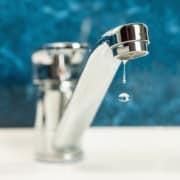
A leaky faucet is a common plumbing problem that, while it seems like only a minor annoyance, can have many hidden costs for homeowners, ranging from increased water bills to home damage. In this blog piece we will list many of the ways your leaky faucet is costing you and talk about what you can do to fix water leaks in your home. 

A Leaky Faucet Costs You Money 

Increased Water Bills

The most obvious impact of having a leaky faucet is on your water bill. One drip per second doesn’t seem like a plumbing emergency, but the loss works out to over 3,000 gallons of wasted water a year. Depending on your water costs, this could translate into a pricey hike in your yearly water bill.

Potential for Further Damage

That drip may also be a sign of more significant plumbing problems. Also, the constant water loss can lead to corrosion and wear on your pipes and fixtures, resulting in more costly repairs or replacements of your pipes and faucets.

Health and Property Damage Caused by Leaks 

Mold and Mildew Growth

Any place that is continuously wet or moist creates a breeding ground for mold and mildew to thrive in. This can cause health issues over time, especially for people with allergies or respiratory problems. By fixing a leaky faucet promptly, you can prevent the potential health risks associated with mold exposure.

Water Damage

Even a small leak can lead to significant water damage to countertops, cabinets, and floors over time. The cost of repairing water damage can be substantial, far more than what it would cost a plumber to fix a simple leak.

Decreased Home Value

Both water damage and mold growth can have a catastrophic impact on the value of your home, especially when left unchecked. Water is necessary for life, but it’s also one of the most destructive forces on the planet. If you hope to sell your home one day, any potential buyer is likely to be put off by signs of water damage and the lack of maintenance of your house. 

Environmental Concerns

It may not feel like it in our water wonderland state of Michigan, but freshwater is a limited resource. The production and delivery of water require energy. When you waste water by allowing a faucet to leak, you’re also wasting the energy that went into treating and pumping that water to your home. It hurts the environment as well as your pocketbook. 

How to Fix Your Leaky Faucet

Fixing a leaky faucet is often a straightforward DIY project, involving the replacement of washers, O-rings, or a faucet cartridge. But if you’re uncomfortable with doing plumbing repairs yourself or if the problem persists after you’ve switched out an O-ring, it’s wise to call a professional plumber. At Weinkauf Plumbing and Heating, we are always here for the people of Alpena, Michigan and the surrounding area. Give us a call, and we’ll have your faucet repaired right away. 

The hidden costs of your leaky faucet are more than what you think when you see a drip fall into your sink or tub. By taking action to repair leaky faucets promptly, you can save money, avoid potential health risks, prevent property damage, and contribute to the conservation of our state’s precious water resources.


Should You Repair or Replace Your Furnace?

As Michiganders, we know something about living in a cold climate. At least half of the year we depend on our furnaces to keep us warm and comfortable. When your furnace starts showing signs of trouble, one of the biggest decisions you face as a homeowner is whether to repair the existing unit or replace it entirely. There are many factors to take into account, including the cost of the repair vs. the cost of replacement, the age of the furnace, the unit’s energy efficiency, and how often it is breaking down. This blog will help you understand these factors and more, so you will be able to make a better, more informed decision.

Repair vs. Replace Your Furnace: Factors to Consider

A major repair is always unwelcome news. No one really wants to spend money getting something that was functioning fine in working condition again. However, having reliable heat is very important in the winter, and, in certain very cold temperatures, it can mean the difference between life or death. That’s why being able to assess your situation based on objective information is helpful. Below are the things that we think you should consider when you’re deciding whether to repair or replace your furnace.

The Age of Your Furnace

The first factor to consider is the age of your furnace. Most furnaces have a lifespan of 15 to 20 years. If your furnace is approaching or has surpassed this age range, it will likely be more cost-effective to replace it than to repair it because individual parts are expensive and newer models are more efficient. A new unit will save you money on your energy bills in the long run, so you need to ask yourself if you want to throw good money after bad. 

Frequency and Cost of Repairs

Ask yourself how often your furnace has required repairs in the recent past. If you’re calling in a technician more often than before, these repair costs can add up quickly, making replacement a more financially sound option, especially if the unit is old. A good rule of thumb is that if the cost of repairs approaches 50% of the value of your furnace, replacement is generally the more economical choice.

Energy Efficiency 

Older furnaces tend to be less energy-efficient. If your energy bills have been rising over time, this could be due to the decreased efficiency of your aging furnace. Compare the efficiency ratings (AFUE or Annual Fuel Utilization Efficiency) of your current furnace with newer models. This is the ratio of the furnace’s annual heat output compared to its total annual fossil fuel energy consumed. A higher AFUE rating indicates a more efficient unit.

Heating Performance

Have you noticed cold spots in your home? If your furnace struggles to maintain your home at a comfortable temperature or heats your home unevenly, this could be a sign of a malfunctioning system. A new furnace will provide consistent and efficient heating.

Safety Concerns

“Safety first” should always be your motto with your heating system. If its overall safety ever seems in any way compromised, it’s time for a new furnace. Older furnaces can develop cracks in the heat exchanger, leading to carbon monoxide leaks. This would also necessitate an immediate furnace replacement.

Technological Advancements

New furnaces often feature improvements like smart thermostats, variable speed motors, and better air filtration systems. If cleaner air and round-the-clock comfort are your goals, opting for a new furnace is a solid choice. 

Financial Incentives and Rebates

Research any available rebates or tax incentives for installing an energy-efficient furnace. Local utilities often offer them, and sometimes there are government programs that reward homeowners who invest in energy-efficient appliances. These incentives can significantly offset the cost of a new furnace, making replacement a more attractive option.

Personal Comfort and Peace of Mind

Having a furnace die in the middle of a blizzard or a polar vortex is a very unpleasant and potentially very costly experience for any homeowner, so consider your personal comfort and peace of mind. If your current furnace causes you frequent worry or discomfort, the investment in a new furnace could well be worth the cost. 

Deciding to repair or replace your furnace depends on a combination of factors including age, repair history, efficiency, safety, and personal comfort. While the initial cost of a new furnace might be higher, the long-term savings, efficiency, and peace of mind can make it a worthwhile investment. 

If you have concerns about your furnace, contact the certified technicians at Weinkauf Plumbing & Heating to assess the condition of your furnace and provide you with a recommendation based on your specific situation. The right decision not only impacts your immediate comfort but also your home’s value, so trust the professionals with your HVAC system.