What Is an Air Conditioning Compressor and How Does It Work?

Is your AC ready for summer? When the summer heat finally hits Northern Michigan, you will absolutely want your home or business to be a cool, comfortable retreat. Your air conditioning system works hard to keep things chill, and at the heart of that system is a crucial component: the air conditioning compressor. But what is an air conditioning compressor exactly, and how does it keep your home cool? Let’s talk about it. 

What Is an Air Conditioning Compressor?

An air conditioning compressor functions like the engine of your AC system. It pumps refrigerant through the system, changing it from a cool, low-pressure gas into a hot, high-pressure gas. This process is what allows your air conditioner to remove heat from your home and send it outside, so you can enjoy cool air indoors.

What Does an Air Conditioning Compressor Do?

The Compressor’s Main Job

The compressor’s main job is to pressurize the refrigerant vapor. It takes the refrigerant in its low-pressure gas form and compresses it into a high-pressure gas. This process raises the temperature of the refrigerant so when it reaches the condenser coil outside your home, it can easily release the heat it has collected from inside.

The Cooling Cycle

Here’s a simple breakdown:

  1. The refrigerant absorbs heat inside your home and becomes a low-pressure gas.
  2. The compressor compresses it into a high-pressure, high-temperature gas.
  3. The refrigerant moves to the condenser, releases the heat outside, and turns back into a liquid.
  4. The refrigerant flows through an expansion valve, cooling down before heading back inside to start the cycle again.

Without the compressor, this cycle doesn’t work, and your AC will not cool your home.

Where Is the Air Conditioning Compressor?

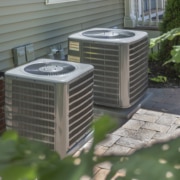
Your air conditioning compressor is located in the outdoor unit, also known as the condenser unit. That’s the metal box sitting outside your home, usually on a concrete pad. Inside that box, the compressor works alongside the condenser coil to release the heat from your home’s air.

How Much Does a Compressor Cost?

Replacing an air conditioning compressor isn’t cheap. Depending on your system, the cost can range from $1,500 to $4,000, including labor. Because of this, HVAC professionals sometimes recommend replacing the entire air conditioning system if it’s old or inefficient. Newer systems are usually more energy-efficient, which can help lower your energy bills in the long run.

FAQ: Air Conditioning Repair in Alpena and Oscoda County, Michigan

How do I know if my air conditioning compressor is working?

If you hear a buzzing or humming sound from your outdoor unit, that’s usually the compressor running. If your home isn’t cooling properly, the compressor might not be working as it should.

What does it mean if my AC compressor is making a ticking sound?

A ticking sound could mean there’s a problem with the electrical components or mechanical parts. If you hear a ticking noise coming from your air conditioning unit, call us at Weinkauf Plumbing & Heating, and we will send one of our experienced HVAC technicians to check it out.

My AC is running, but it’s not cooling. What could be wrong?

This could be a sign of low refrigerant, a refrigerant leak, or a compressor issue. Our HVAC technician can examine your AC unit, diagnose, and fix your issue quickly.

Should I repair or replace my AC compressor?

If your system is older and the compressor fails, replacing the entire AC unit might be more cost-effective. If you have questions, ask! We can give you the information you need to help you make the best choice for your home or business.

FAQ: About Weinkauf Plumbing & Heating

What services does Weinkauf Plumbing & Heating offer?

Weinkauf Plumbing & Heating offers a range of HVAC services, including air conditioning repair, installation, and maintenance. We also provide plumbing, water heater service, and even sheet metal fabrication.

Does Weinkauf Plumbing & Heating serve both Alpena and Oscoda County?

Yes! We proudly serve homeowners throughout the Alpena, Michigan area as well as Oscoda County.

How do I schedule air conditioning service with Weinkauf Plumbing & Heating?

Just give us a call to schedule an appointment. Our friendly team will be happy to help you with your air conditioning issue – or any other HVAC or plumbing issue you have.

Keep Your Cool This Summer

Understanding how your air conditioning compressor works can help you appreciate the challenge it has to keep your home comfortable during the heat of summer. If you’re having trouble with your AC or want to schedule a maintenance check, Weinkauf Plumbing & Heating is here for you. We’ve been keeping homes in Northern Michigan cool for decades. Contact us today to learn more or book a service appointment.

Stay cool this summer, Michiganders!
 

What to Do If Your Water Heater Is Leaking

A leaky water heater is not something that any homeowner wants to deal with. All appliance failures are inconvenient and stressful, but this one has the added possibility of causing water damage to your home if left unaddressed. That’s why if you see your water heater leaking, you want to know how to deal with it right away. The first rule is: Don’t panic. Here are the steps to take to avoid or minimize any water damage and figure out what to do to fix your water heater problem. 

Your Water Heater Is Leaking – What Now?

Step 1: Turn Off Power or Gas

The first thing you’ll want to do, for safety, is to turn your water heater off. If you have an electric water heater, you’ll need to find your home’s electrical panel and turn off the circuit breaker that powers it. Water and electricity can cause electrocution because water conducts electricity, so always cut your power before inspecting the heater further.

If you have a gas water heater, turn the gas valve (usually located near the bottom of the heater) to the “OFF” position.

Step 2: Shut Off the Water Supply

Next, you’ll want to stop more water from flowing into the tank. Look for the cold water shut-off valve, usually located near the top of the water heater, and turn the valve clockwise to close it. If the valve is stuck or you can’t find it, shut off the main water supply to your house instead.

With the water shut off, you will only have to deal with the water that has already leaked from the tank and what remains inside. You’ll have less to mop up and this will help prevent flooding and damage to the floors or walls nearby.

Step 3: Find the Source of the Leak

Now that the power and the water are cut off, you can determine where the source of the leak is. Common leak points include:

  • Cold or hot water inlet/outlet connections (top of the tank)
  • Temperature and Pressure Relief Valve (side of the tank)
  • Drain valve (bottom of the tank)
  • The tank itself

Wipe the water off the tank and watch closely to see where new moisture appears. This can help you pinpoint where the leak is.

Why Is My Water Heater Leaking?

Understanding why your water heater is leaking can help you figure out whether it’s a minor issue or something more serious. Here are some of the most common reasons:

  1. Loose Connections or Fittings
    Over time, the pipes and fittings that bring water into and out of your water heater can loosen or corrode. A small drip at the top of the tank could simply mean that a fitting needs to be tightened or replaced.
  2. Faulty Temperature and Pressure Relief (T&P) Valve
    The T&P valve is a safety feature designed to release water if the pressure or temperature inside the tank gets too high. If this valve is leaking, it might be worn out, installed incorrectly, or dealing with excessive pressure inside the tank.
  3. Drain Valve Leak
    At the bottom of your water heater, there’s a drain valve used for maintenance and flushing the tank. Sometimes this valve can become loose or start to leak due to wear and tear.
  4. Excessive Pressure Inside the Tank
    If your home’s water pressure is too high or your water heater is overheating, it can cause leaks at various points. High pressure puts extra stress on the tank and fittings, leading to drips or even bursts over time.
  5. Tank Corrosion
    The inside of your water heater tank is exposed to water constantly. Over time, even with protective coatings, the tank can corrode. Once corrosion sets in, small leaks can develop, and unfortunately, when the tank itself is leaking, replacement is usually the only option.
  6. Sediment Buildup
    If you don’t flush your water heater regularly, minerals from your water can settle at the bottom of the tank. This sediment can cause the bottom of the tank to overheat, crack, and eventually leak.

Step 4: Call a Professional

Knowing the cause of the leak is the first step toward getting it fixed and keeping bigger problems from happening in the future. If you’re unsure why your water heater is leaking, call us at Weinkauf Plumbing & Heating right away. We can diagnose the problem and recommend an effective solution.

Even if it seems minor, it’s a good idea to call a licensed plumber to inspect the situation. Our plumbers can to:

  • Confirm the source of the leak
  • Recommend the best repair or replacement option
  • Install new parts or a new water heater safely and up to code

Step 5: Clean Up the Water

If water has spilled onto the floor, use towels, a wet/dry shop vacuum, or a mop to clean it up.
If it’s more than a minor spill, set up fans or a dehumidifier to dry the area and prevent mold growth. Check nearby walls, flooring, and belongings for water damage just in case. 

How to Prevent Future Water Heater Leaks

While you can’t predict when a water heater will leak or fail, scheduling regular maintenance of your water heater can extend its life. During our routine maintenance inspections, Weinkauf’s technicians will flush your tank to remove sediment buildup that can corrode the inside. They will also check valves, pipes, and connections for signs of wear or corrosion.

You should also consider purchasing a water alarm. These inexpensive devices sit on the floor and beep when they detect a leak. 

A leaking water heater isn’t something you want to ignore, but acting quickly can limit damage and save you money. Whether it’s a simple fix or time for a replacement, Weinkauf Plumbing & Heating is here to help homeowners in Alpena, Oscoda, and the surrounding Northern Michigan areas with their plumbing and HVAC problems. If you need service or a new water heater, contact us today. We’ll get the hot water back working in your home or business in no time.


How Your HVAC System Can Improve Indoor Air Quality

When you think about your HVAC system, you probably think about heating and cooling – but did you know it also plays a huge role in the air you breathe inside your home? The outdoor air quality in Alpena, Michigan and the surrounding areas varies with weather and seasonal changes, so making sure your indoor air is clean and healthy is more important than ever. Let’s break down how your HVAC system can improve indoor air quality and what you can do to keep your indoor air fresh and safe year-round.

Why Indoor Air Quality Matters

Most of us spend the majority of our time indoors, but if your indoor air is full of allergens, pollens, dust, or other pollutants, it can lead to:

  • Coughing, sneezing, and allergy flare-ups
  • Dry skin or irritated eyes
  • Worsened asthma or breathing issues
  • Headaches and fatigue 

And here’s the thing: if your HVAC system isn’t clean or properly maintained, it could actually be spreading all that stuff around your house.

What’s the Outdoor Air Quality Like in Alpena, MI?

Outdoor air quality directly affects indoor air quality because people do not live in sealed cleanroom environments. We live in houses with windows and doors that are opened and shut all of the time. You might think of the Alpena air quality as fresh and clean, and for the most part, you’re right. But like any area, outdoor air quality can change depending on the season, weather patterns, and nearby activity.

According to Plume Labs, Alpena generally has good air quality, especially compared to big cities. But there are still certain times when air pollution levels can rise, such as:

  • In the summer, when higher temperatures can trigger smog and ozone issues.
  • During wildfire season, even distant fires can send smoke and fine particles into the air.
  • Wood-burning stoves and poor ventilation can lead to localized pollution, especially on still, cold days. 

While outdoor air in Alpena is usually safe, these fluctuations can affect people with asthma, allergies, or other respiratory conditions. And when outdoor air isn’t ideal, your indoor air quality becomes even more important.

4 Ways Your HVAC System Can Help You Breathe Easier

Let’s talk about how your HVAC system can improve your indoor air when it’s set up and maintained the right way.

1. It Filters Out Dust and Allergens

Your system’s air filter catches pollen, pet dander, dust, and other things floating around your home. But if that filter’s clogged or low-quality, it’s not doing much good. Check your filter once a month, and replace it every 1-3 months (or more often if you have pets or allergies) if you want better air quality.

2. It Helps Control Humidity

Furnace overactivity can make your air super dry, and that’s not just uncomfortable, it can lead to dry skin, sore throats, and even make viruses spread more easily. On the flip side, too much moisture in the summer can cause mold and mildew. Look into installing whole-home humidifiers (for dry air) and dehumidifiers (for muggy months) that hook right into your HVAC system if you want healthier, more comfortable indoor air. 

3. It Brings in Fresh Air

Older homes tend to be sealed up tight, and that traps indoor air pollutants inside. Newer HVAC systems can bring in fresh outdoor air and push out the stale air, without losing heat. If your system isn’t set up for fresh air intake, ask your Weinkauf HVAC tech if it’s an option during your next service visit.

4. It Can Even Kill Germs

Some systems now include UV light air purifiers that kill bacteria, viruses, and mold spores as the air flows through your system. These are especially helpful for families with allergies, asthma, or anyone with a sensitive immune system.

Easy Ways to Keep Your Air Cleaner

Want to get the most out of your HVAC system and keep your indoor air healthy? Here’s what you can do:

  • Replace your air filter regularly
  • Schedule a yearly HVAC tune-up (especially before winter or summer hits)
  • Ask about duct cleaning if your home is older or you’ve done recent renovations
  • Consider adding a whole-home humidifier or air purifier if you’re noticing dryness or allergy symptoms 

Let Us Help You Breathe Better

At Weinkauf Plumbing & Heating, we help homeowners in Alpena, Oscoda, and surrounding Northern Michigan stay comfortable and healthy year round. Whether you need a new filter, an indoor air quality check, or a whole-home humidifier installed, contact us! We want to partner with you so your HVAC system can improve your indoor air quality. 

Give us a call today to schedule a service or talk about your options. We’ll help you breathe a little easier this spring – and every season after.


Water Softener FAQs: Everything You Need to Know

Hard water can lead to many unpleasant issues in your home, ranging from damaged plumbing to dry skin. Installing a water softener can be an effective solution to these problems, but you may have questions about how these systems work and what benefits they offer to home and business owners. Here are some water softener FAQs we get at Weinkauf Plumbing & Heating (with our answers) to help you decide if installing a water softener would be a good solution to your hard water. ​

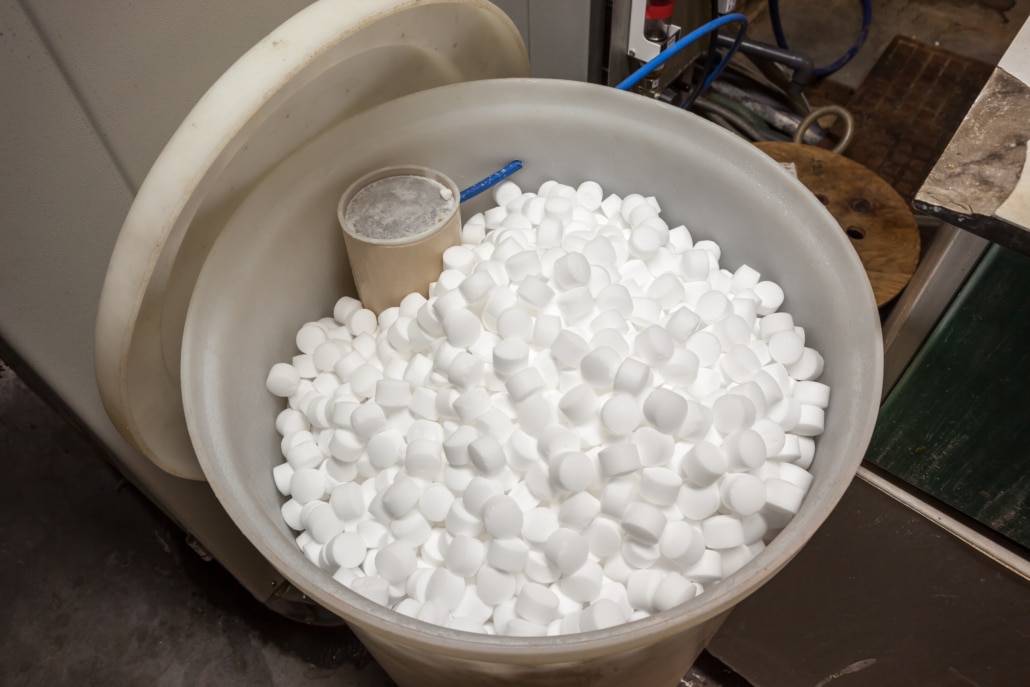
water softener salt

Top 10 Water Softener FAQs 

1. What is a water softener?

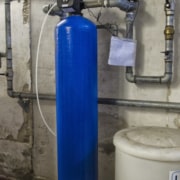
A water softener is a system that is designed to remove minerals like calcium and magnesium from your water supply. These minerals cause water hardness, leading to scale buildup in appliances and pipes, and they reduce the effectiveness of soaps and detergents. A water softener eliminates these minerals and provides “soft” water, which is gentler on your plumbing and skin.

2. How does a water softener work?

Water softeners typically use a process called ion exchange. Hard water passes through a tank filled with resin beads that are charged with sodium or potassium ions. As the hard water flows over the beads, the calcium and magnesium ions swap places with the sodium or potassium ions, effectively removing the hardness-causing minerals from the water. The system then periodically regenerates, flushing the accumulated minerals and recharging the resin beads with new sodium or potassium ions.​

3. What are the benefits of installing a water softener?

There are a number of benefits for homeowners. First, soft water reduces scale buildup, which extends the life of appliances like dishwashers, washing machines, and hot water heaters.​ It also prevents mineral deposits in pipes. This reduces the risk of clogs and corrosion.​

Additionally, soft water improves the ability of soap to lather, and more soap bubbles mean  cleaner dishes, laundry, and skin.​ Hard water is notorious for causing dry skin and irritation; if you soften your water, your skin and hair will be softer too. 

4. How do I know if I have hard water?

Hardness is measured in parts per million (ppm), with 120 ppm officially qualifying as hard water. According to the City of Alpena’s 2023 Water Quality Report, the average result for CaCO3 in Alpena is 112. In Oscoda county, it is 108. Water hardness can also be measured in grains per gallon (gpg), where one grain equals 0.002 ounces of calcium carbonate dissolved in one gallon of water. Anything over 7.5 gpg is considered hard water. 

Common signs of hard water include scale buildup on faucets and shower heads, soap scum in sinks and bathtubs, spotty or cloudy dishes, dry skin and hair, and reduced water flow from clogged pipes. 

For a definitive assessment, consider scheduling a professional water test. Weinkauf Plumbing & Heating will test your water for free to determine your water’s hardness and recommend appropriate solutions.

5. How often does a water softener need maintenance?

Regular maintenance ensures optimal performance of your water softener. This includes replenishing the salt or potassium in the brine tank as needed, usually every few weeks, depending on your water usage and hardness level. It’s also helpful to have a trained professional inspect and service the system annually to check for issues and clean the resin tank.​ Weinkauf also offers this service to our customers. 

6. Can I install a water softener myself?

While it’s technically possible for a handy homeowner to install a water softener, we recommend that you have a professional handle it. Our professionals will make sure your unit is correctly sized for your home, installed without leaks, and complies with local plumbing codes. This will make a real difference in how efficiently it will operate and how long it will last.  

7. Are there different types of water softeners?

Yes, the main types include:​

  • Salt-Based Ion Exchange Softeners: This is the most common type and uses sodium to replace hardness minerals.​
  • Salt-Free Water Conditioners: These systems use alternative methods, such as template-assisted crystallization, to prevent scale buildup without removing minerals.​
  • Dual-Tank Softeners: These utilize two resin tanks, allowing for continuous soft water supply during regeneration cycles.​

The best choice for you will depend on your specific water quality and household needs.​ 

8. Will a water softener remove other contaminants from my water?

Water softeners are specifically designed to remove hardness minerals like calcium and magnesium. They do not eliminate other contaminants such as iron, sulfur, bacteria, viruses, or chemicals. For comprehensive water purification, consider additional filtration systems. Weinkauf also installs: 

  • Whole-House Filtration Systems

  • Iron and Sulfur Removal

  • UV Purification Systems

  • Reverse Osmosis Drinking Water Systems

  • Well Water Treatment Solutions

If you want your water to be crisp, clean, soft, and odor-free, our team can make it happen for you. We can design and install custom solutions to address hard water, iron, bacteria, and other common well issues.

9. Is softened water safe to drink?

Softened water is generally safe for consumption. However, the ion exchange process adds a small amount of sodium to the water. For most people, this isn’t a concern, but individuals on low-sodium diets should consult with a doctor or choose a reverse osmosis system which will remove sodium from your drinking water.

10. How long does a water softener last?

With proper maintenance, a quality water softener can last between 10 to 15 years. Regular servicing and replacement of components, such as resin beads, will extend the system’s lifespan.​

If you have hard water issues or more questions about water softeners, call us! We’re here to help in both the Alpena and Oscoda areas. Weinkauf Plumbing & Heating offers comprehensive water treatment services, including installation, maintenance, and repair of water softeners and filtration systems. Contact us today at (989) 354-5427 to schedule a free water test and consultation.


Why Are Wood Stoves So Popular?

Wood stoves have been a very popular heating option in Northern Michigan for generations, and their popularity continues to grow with Michiganders. Freestanding wood stoves and fireplace inserts provide an efficient, cost-effective, and reliable heat source, making them an especially appealing heating choice during the cold winter months. But what makes them such a popular choice compared to other heating options? Let’s break it down.

6 Practical Reasons for Wood Stoves

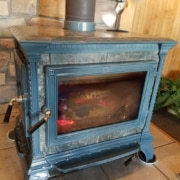
Wood stoves are in demand primarily because of their heating efficiency. Freestanding wood stoves generate intense radiant heat, which makes them ideal for warming large spaces. Many wood-stove models are designed to retain and slowly release heat. This means they will keep your home or business warm even after the fire inside has burned out.

If you would like to keep certain areas or zones of your home warmer, instead of running your furnace harder, you might consider installing a wood stove. This way you can add warmth where you need it most, reducing energy waste and lowering your heating costs. Modern EPA-certified wood stoves are more efficient than older models, meaning they burn cleaner and produce more heat with less wood. 

Unlike gas or electric heating systems, wood stoves don’t rely on electricity or fuel supply lines, making them an excellent choice for rural areas or for homes prone to power outages. With a freestanding wood stove, you can count on a dependable heat source even if there’s a blizzard or if an ice storm takes out power lines across the county. They offer you plenty of heat and peace of mind as well. 

Wood stoves are also cost effective. Firewood is often more affordable than electricity, propane, or natural gas, especially if you have access to free or inexpensive wood. And, unlike oil or gas, the cost of wood tends to remain stable, helping homeowners avoid unpredictable energy costs. Also, a well-maintained wood stove can last not years, but decades, making it a solid long-term investment for a homeowner.

From an environmental standpoint, firewood is a sustainable, locally available fuel source that, when sourced responsibly, is considered carbon-neutral, as trees absorb as much carbon dioxide during their lifetime as they release when burned. Modern wood stoves burn cleaner, producing less smoke and creosote buildup while maximizing heat output. 

Unlike traditional fireplaces, freestanding wood stoves can be installed in a variety of locations within the home. They don’t require an existing chimney and can be vented through the roof or a wall, providing more options for placement. 

The Wood-Stove Aesthetic

A freestanding wood stove isn’t just a heat source—it creates a warm, inviting atmosphere in a cabin or home because nothing beats the natural, comforting, mesmerizing flames of a wood stove. Wood stoves can be added to workspaces, garages, tiny homes, or off-grid cabins. Just add wood, and you’ve got a warm, welcoming space to live, work, or play. 

Is a Freestanding Wood Stove Right for You?

If you’re looking for a reliable, efficient, and cost-effective heating solution that also adds beauty and ambiance to your home, a freestanding wood stove is a great option. While some homeowners choose to install wood stoves themselves, using a professional installation company like Weinkauf Plumbing & Heating ensures that your wood stove will be compliant with all safety codes and guarantees that it will function properly. If you’re unsure about any step of the installation process, it’s best to call someone with experience. We’re here to help. 

If you would like help selecting the right wood stove, Weinkauf offers expert guidance, professional installation, and maintenance to ensure you get the most out of your wood heating system. Contact us today at either our Alpena location or our new office in Oscoda, Michigan to get started!