Winterizing Your Home: Essential HVAC and Plumbing Tips

Fall is a gorgeous season in northern Michigan, but, as we all know, after fall comes winter – which can be much more challenging. If you want to be comfortable this winter, and protect your home from damage and your pocketbook from high utility bills, now is the time to prepare. Properly winterizing your home can also help prevent unexpected breakdowns or costly repairs. Here’s how to effectively winterize your property and keep your furnace and plumbing running smoothly throughout the colder months in Michigan.

Steps to Take to Winterize Your Home 

HVAC

Let’s start with your HVAC system, since that is what will keep you and your family warm when it’s frigid outdoors. To keep it operating at peak efficiency, you should: 

Schedule a Furnace Tune-Up: Before the cold sets in, have Weinkauf Plumbing & Heating inspect and clean your furnace. We will check for leaks, lubricate parts, and ensure that your  system is in tip-top shape.

Replace Your Furnace Filters: Dirty filters make your furnace work harder and lower your home’s air quality. Regularly change your furnace filters at least 4 times a year for optimal airflow and efficiency. If you have pets or a respiratory condition, consider replacing your filters more frequently – otherwise the pet hair and dander can have a negative effect on your HVAC system and lungs. 

Check Your Thermostat’s Settings: Consider upgrading to a programmable thermostat to save on energy costs. You can easily set your thermostat to a lower temperature when you’re away or asleep and warm up the house when you wake up or return home.

Insulation

Heating and insulating are complementary steps in winterizing your home. Proper insulation is key to keeping it comfortable and reducing strain on your HVAC system. To do this you should check for drafts around your windows and doors and use weatherstripping or caulk to seal any gaps. 

Also check your attic insulation. A well-insulated attic can prevent heat loss and reduce your heating bill. If your current insulation is not at the recommended level, consider adding more. Northern Michigan has a Cold Humid (6A) climate. See the attic insulation recommendations below (from Energy Star) for guidance. 

insulation requirements

Image courtesy of Energy Star

Plumbing 

Frozen pipes are a common problem during winter, and they can lead to major damage if they break. Here are ways to prevent freezing pipes:

  • Keep the Heat On: If you’re away from home, keep your home heated to at least 55°F to prevent pipes from freezing.
  • Let Faucets Drip: On particularly cold nights, let cold water drip from faucets connected to exposed pipes. The water flow helps prevent freezing.
  • Disconnect Outdoor Hoses: Drain and store outdoor hoses in the fall, and shut off water to outdoor faucets to prevent freezing in the pipes.
  • Insulate Pipes: Protect your plumbing by insulating exposed pipes in attics, basements, or crawl spaces. This will reduce the risk of freezing and bursting during cold snaps.

Your water heater works harder in the winter to deliver hot water, so it’s important that it’s ready for the job. The ideal temperature for your water heater is around 120°F to balance both comfort and energy efficiency. If your water heater is located in a colder area of your home, like your garage or basement, consider insulating the tank to reduce heat loss.

Sediment buildup can reduce efficiency, so flush the tank to remove any debris. If you’re unsure how to do this or want to avoid the hassle, call us at Weinkauf, and one of our professional technicians will promptly take care of it for you. 

Ventilation and Airflow

Maintaining proper airflow is crucial for a safe and efficient HVAC system during winter. For safer and more even heating, clear your air vents from blockages like furniture or curtains. Outside, snow, ice, or debris can block your HVAC system’s exhaust vents. Make sure these vents remain clear to prevent carbon monoxide buildup.

Along with ensuring proper ventilation, test your carbon monoxide detectors and replace the batteries before the winter season begins. While you’re at it, change the batteries in your smoke detectors as well. An ounce of prevention is worth a pound of cure. 

Humidity

Michigan is humid, but running your furnace for months on end will suck the moisture out of your air, making your home dry and uncomfortable. Adding a whole-home humidifier will maintain proper humidity levels and improve your comfort and your health during winter.

Protect Your Home and Your Health

Winterizing your home is about more than just comfort – it’s about protecting your investment in your home by preventing costly HVAC and plumbing repairs. By following the above tips, you can prepare your home for the cold weather ahead. If you’d like to schedule a furnace tune-up or consult with a professional about adding a humidifier to your furnace, contact Weinkauf today. We would be happy to inspect your systems, address any concerns, and ensure everything is functioning optimally before winter hits.
 

How Hard Water Affects Your Plumbing

Michigan has water that is considered moderately hard to hard, depending on location. Unfortunately, hard water has impacts on your home’s plumbing, fixtures, and appliances over time, causing problems like pipe corrosion and low water pressure. In this blog piece we will talk about those impacts and offer solutions that homeowners can implement to help mitigate potential damage and save on their home maintenance costs.

What Is Hard Water? 

Hard water is water that contains high levels of minerals, primarily calcium and magnesium. While it’s not harmful to health, those minerals can build up over time in pipes, hot water heaters, and other fixtures in your home and cause problems over time. 

How Hard is the Water in Alpena, Michigan? 

Water hardness is measured in grains per gallon (gpg), where one grain equals 0.002 ounces of calcium carbonate dissolved in one gallon of water. Anything over 7.5 gpg is considered hard water. Hardness can also be measured in parts per million (ppm), with 120 ppm officially qualifying as hard water. According to the City of Alpena’s 2023 Water Quality Report, the average result for CaCO3 in Alpena is 112. This moderately hard water will have a number of impacts in your home. 

Clogged and Corroded Pipes

The first impact is mineral buildup and pipe blockages. Hard water causes mineral deposits, known as limescale, to accumulate inside pipes. Over time, this buildup narrows the diameter of the pipes. This reduction impedes water flow and increases pressure on your plumbing system. You may experience low water pressure or even a complete blockage as a result. 

Mineral buildup can also lead to corrosion of metal pipes, especially if the water is also acidic. This has two potential effects, both of them negative. Corroded pipes can weaken and break, requiring costly repairs or replacement. Additionally, if these pipes have lead content, that lead can leach into the water supply. Lead is very bad for human and animal health. Lead pipes are more likely to be found in older cities and homes built before 1986.

Stained Fixtures and Leaky Faucets

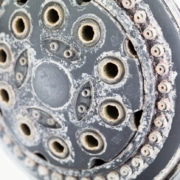
One way that hard water makes itself known is that it often leaves white, chalky stains on faucets, showerheads, and sinks. These stains are caused by calcium deposits. They look messy and can be difficult to remove. 

Minerals from hard water can also deposit themselves in faucets and showerheads, reducing water flow and efficiency. Hard water can also deteriorate rubber seals and valves in fixtures, leading to leaks that waste water and increase your utility bills.

Damaged Appliances

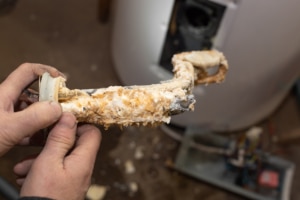
hard water deposits on a heating element coilYour appliances will also suffer from exposure to hard water. Limescale buildup inside water heaters can reduce their efficiency by creating an insulating layer that forces the heater to work harder to deliver hot water. This not only increases your energy bills, it also shortens the lifespan of your water heater.
Hard water also will leave mineral deposits on heating elements, in hoses, and on internal components of dishwashers and washing machines. This can lead to reduced performance, longer cycle times, and more frequent breakdowns. Any appliance that supplies or uses hard water can become clogged. This includes refrigerators and coffee makers too. 

How To Solve Hard Water Issues in Your Home

Fortunately, there are a number of solutions to the problems hard water creates. These include: 

Installing a water softener – A water softening system uses ion exchange to remove calcium and magnesium from the water, replacing them with sodium or potassium ions. This process prevents limescale buildup and protects plumbing and appliances.

Using descaling agents in appliances – Regular use of descaling agents in appliances like dishwashers, washing machines, and coffee makers can help remove mineral buildup and keep them running well.

Regular plumbing maintenance – Weinkauf Plumbing & Heating can help identify and remove limescale buildup inside your pipes before it becomes a major issue for your plumbing. Flushing the plumbing system periodically can also reduce mineral accumulation.

Soaking fixtures in vinegar – Vinegar can help dissolve and remove hard water stains and buildup, keeping faucets and showerheads clean and functioning properly.

Upgrading your fixtures – There are fixtures specifically designed to resist limescale buildup, and some faucets and showerheads come with features that make them easier to clean or with anti-limescale materials.

Hard water can be a problem for homeowners, but with the right maintenance and the addition of a water softener, you can protect your plumbing system and appliances and enhance your water quality. If you would like to talk to a professional about your hard water issues, contact us at Weinkauf Plumbing & Heating. We would be happy to inspect your plumbing and appliances and make recommendations on how best to solve any problems you are experiencing. 


Planning a Remodel? Visit Our Showroom!

Planning a remodel of your kitchen or bathroom space is a very exciting project! There are so many possibilities for these spaces that you use every day. However, without the right guidance and expertise, it can also be an overwhelming task, and you might make mistakes. One of the key aspects of a successful remodel is choosing the right fixtures and systems for your plumbing needs. Here’s why visiting our showroom at Weinkauf Plumbing & Heating should be a part of your planning process. 

Take Advantage of Our Experience and Expertise

By involving Weinkauf Plumbing & Heating, you’ll benefit from the more than six decades of experience we have in the plumbing industry. Our team of experts can guide you through the selection process, ensuring you choose the best products for your home. We’ve installed it all, and we can advise you on which products may work best for your lifestyle. 

A Wide Range of Products

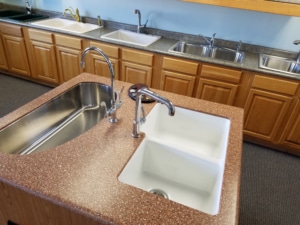
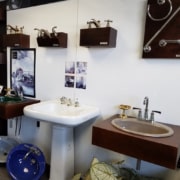
Our showroom offers a comprehensive range of plumbing products, including fixtures, faucets, toilets, sinks, and showers, as well as vanity tops with molded sinks. You can examine and feel the quality of these products before making your decisions. Take pictures and then do more research before you decide. You’ll be using these products on a daily basis for years, so making the right choices now will really pay off over time.

Personalized Guidance

In our showroom, our knowledgeable staff can give you personalized advice tailored to your specific needs and preferences. Whether you’re looking for energy-efficient options or stylish fixtures to complement your interior design, our staff can help you find the perfect solutions for your budget.

Visualizing Your Remodel

showroom sinks

Seeing cabinets, vanities, and shower products in person will help you better visualize how they will look and function in your home. This can help prevent costly mistakes and ensure that everything fits seamlessly into your remodel plan.

Trusted Brands

Weinkauf Plumbing & Heating only carries products from trusted brands known for their reliability and durability. This means you can have peace of mind knowing that your new plumbing fixtures will continue to work well for you and your family for years to come. 

Incorporate a Showroom Visit into Your Remodel Plan

Here are 6 steps you need to take when planning your remodel to ensure that it goes as smoothly as possible: 

  1. Define Your Needs: Before visiting the showroom, list out the plumbing fixtures and systems you need for your remodel. Take into consideration factors like style, functionality, and your budget.
  2. Schedule Your Visit: Contact us to schedule a visit to our showroom. This will ensure that a dedicated expert will be available to assist you when you come.
  3. Bring Your Plans: Bring any blueprints or design plans you have. This helps our staff provide more accurate recommendations tailored to your space.
  4. Ask Questions: Ask about the pros and cons of different products, maintenance requirements, and installation details. We will be happy to answer all of your questions.
  5. Take Notes and Pictures: Document your favorite products and any important details discussed during your visit. This will help you make informed decisions when finalizing your remodel plan.
  6. Follow Up: After your visit, follow up with any additional questions or to confirm your selections. The team at Weinkauf Plumbing & Heating is here to support you during every step of your remodel.

By incorporating a visit to our showroom when you are planning a remodel, you will be able to make more informed decisions about plumbing fixtures and products, avoid common mistakes, and ultimately create a beautiful and functional kitchen or bathroom space that meets your needs.

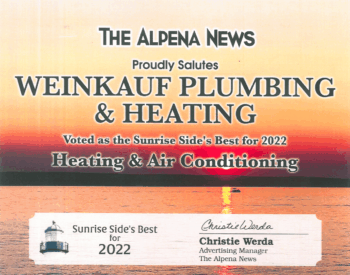
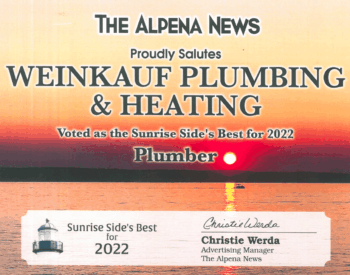
Weinkauf Plumbing & Heating has been voted Sunrise Side’s Best Plumbing, Heating, and Air Conditioning Service Provider for multiple years by our loyal customers, so we’re confident in our ability to serve you too. For more information and to schedule your showroom visit, call us today! 


Low Water Pressure? Here Are Some Causes and Solutions

When you turn the faucet on, how fast does your water flow? Is it steady, or do you have to wait minutes just to fill up a pot of water? Does the water trickle out from your showerhead? This can be very frustrating. If you have low water pressure in your home, it can range from being a minor inconvenience to a major interruption of your life, affecting your whole day, from your morning shower to your after-dinner cleanup. What causes low water pressure? In this blog piece we will explain its root causes and give you practical solutions to restore the functionality of your home’s plumbing system and improve your daily life. 

Causes of Low Water Pressure

What are the causes of low water pressure? Here are the most common:

Clogged Pipes

Over time, the minerals in your water supply will often deposit in your pipes, leading to reduced water flow. This is especially true if your home has galvanized iron pipes. Other types of clogging can also occur. The solution for this problem would be to identify the clogged pipe section or sections and either clear or replace them. This would be a job for a professional plumber. 

Corroded Pipes

Unfortunately, pipes do not last forever and can corrode over time, restricting water flow and leading to low water pressure. Corroded piping must be replaced eventually, which is a larger job. Weinkauf Plumbing & Heating would be happy to assess the extent of the problem and discuss options for pipe replacement with you. 

Leaks

Water leaks can cause many problems in your home, from water damage and mold growth to higher water bills, so regularly inspect your pipes for leaks, especially if you’re seeing higher water bills and are not using more water. Repairing a leak may require patching a pipe or replacing it entirely with a new one. 

Fixture Problems

The same sediment that can build up in your pipes and cause a loss of water pressure can also accumulate in your faucet or showerhead. If you’ve noticed low water pressure in just one sink or bathtub, it’s more likely to be the fixture than a general piping problem. The solution to this issue would be to clean the aerators within the fixtures or replace the fixtures themselves. 

High Water Demand

Here’s an issue that is not a fault of your plumbing system. If you have high demand in your home or your neighborhood due to times of peak water use, you should schedule activities that involve higher water demand, like doing laundry or watering the lawn, for times when fewer people are using water. Of course, if this issue is very common in your neighborhood and happens regularly, it may be a larger problem that your municipality or water supplier will have to fix. 

Pressure Regulator Failure

If your home has a pressure regulator, low water pressure could be a failure of the regulator. Test the pressure with a gauge and adjust the regulator accordingly. If the regulator is faulty, replacing it may solve your problem.

Water Meter Valve Problem

Finally, sometimes low water pressure can be a simple matter of a partially closed water meter valve. The solution may be as simple as adjusting the main shutoff valve to ensure it’s fully open.

Improving the Water Pressure in Your Home

If none of the above are the cause of your lower water pressure, you could still improve it by installing water pressure booster pumps. Talk to us at Weinkauf about this option if you are not satisfied with the water pressure in your home. We can make it better!

Low water pressure can result from a number of issues. Some of them are easily fixable by cleaning a clogged aerator or checking your water meter valve. Others, like corroded piping, are more complex and expensive to address. If you’re not sure what the cause is, a licensed, experienced plumber can examine your pipes and ensure that any problems are solved so that your plumbing system will again operate smoothly and efficiently. If you’d like to see a fast solution to any plumbing problem in your home, call Weinkauf Plumbing & Heating today!  


The Hidden Costs of Your Leaky Faucet

A leaky faucet is a common plumbing problem that, while it seems like only a minor annoyance, can have many hidden costs for homeowners, ranging from increased water bills to home damage. In this blog piece we will list many of the ways your leaky faucet is costing you and talk about what you can do to fix water leaks in your home. 

A Leaky Faucet Costs You Money 

Increased Water Bills

The most obvious impact of having a leaky faucet is on your water bill. One drip per second doesn’t seem like a plumbing emergency, but the loss works out to over 3,000 gallons of wasted water a year. Depending on your water costs, this could translate into a pricey hike in your yearly water bill.

Potential for Further Damage

That drip may also be a sign of more significant plumbing problems. Also, the constant water loss can lead to corrosion and wear on your pipes and fixtures, resulting in more costly repairs or replacements of your pipes and faucets.

Health and Property Damage Caused by Leaks 

Mold and Mildew Growth

Any place that is continuously wet or moist creates a breeding ground for mold and mildew to thrive in. This can cause health issues over time, especially for people with allergies or respiratory problems. By fixing a leaky faucet promptly, you can prevent the potential health risks associated with mold exposure.

Water Damage

Even a small leak can lead to significant water damage to countertops, cabinets, and floors over time. The cost of repairing water damage can be substantial, far more than what it would cost a plumber to fix a simple leak.

Decreased Home Value

Both water damage and mold growth can have a catastrophic impact on the value of your home, especially when left unchecked. Water is necessary for life, but it’s also one of the most destructive forces on the planet. If you hope to sell your home one day, any potential buyer is likely to be put off by signs of water damage and the lack of maintenance of your house. 

Environmental Concerns

It may not feel like it in our water wonderland state of Michigan, but freshwater is a limited resource. The production and delivery of water require energy. When you waste water by allowing a faucet to leak, you’re also wasting the energy that went into treating and pumping that water to your home. It hurts the environment as well as your pocketbook. 

How to Fix Your Leaky Faucet

Fixing a leaky faucet is often a straightforward DIY project, involving the replacement of washers, O-rings, or a faucet cartridge. But if you’re uncomfortable with doing plumbing repairs yourself or if the problem persists after you’ve switched out an O-ring, it’s wise to call a professional plumber. At Weinkauf Plumbing and Heating, we are always here for the people of Alpena, Michigan and the surrounding area. Give us a call, and we’ll have your faucet repaired right away. 

The hidden costs of your leaky faucet are more than what you think when you see a drip fall into your sink or tub. By taking action to repair leaky faucets promptly, you can save money, avoid potential health risks, prevent property damage, and contribute to the conservation of our state’s precious water resources.


The Most Common Kitchen Plumbing Problems

The kitchen is one of the most used and most necessary rooms in your house, and in this busy hub, the plumbing system does a crucial job. Fully functional plumbing keeps your clean water running and the gray water draining so you can accomplish everything from your morning coffee to late-night dishwashing. Everyday activities in the kitchen can lead to various plumbing problems, however. Let’s talk about some of the most common kitchen plumbing problems. 

Your Most Common Kitchen Plumbing Problems

Here are some of the plumbing problems people complain most about in their kitchens:

  • Drippy Faucets: An annoyance in many kitchens, leaky faucets usually happen because of worn-out washers or O-rings. Sometimes, a simple washer swap can fix it, but this depends on the type of faucet you have.
  • Clogged Sinks: Clogs are a common headache, and they can often be fixed with a plunger or plumber’s snake. However, if the clog persists or gets severe, you may have a deeper plumbing problem.
  • Garbage Disposal Hassles: If you misuse or don’t maintain your garbage disposal, it can easily get clogged or jammed. Regular cleaning and avoiding putting tough or fibrous foods down your garbage disposal can help prevent these issues.
  • Dishwasher Plumbing Problems: Dishwashers occasionally act up, like not getting water or not draining properly. These problems are most often caused by faulty valves or clogged drain lines.
  • Low Water Pressure: Low water pressure is irritating and might be caused by a clogged aerator, a leaky pipe, or problems with the main water supply.

Signs You Need a Professional Plumber

While a handy person may be able to deal with smaller kitchen plumbing problems, some issues do need a professional’s touch. Knowing when to call a plumber can save you time, money, and prevent more damage. Here are some signs that it’s time to seek expert help:

  • Persistent Clogs or Backups: If you’re always reaching for the plunger, it might be time for a plumber. Frequent clogs or water backing up in other places like your bathtub or toilet could mean you have a deeper blockage in your main line. These types of blockages require special equipment and training to diagnose and repair.
  • Major Leaks: Big leaks, especially in hard-to-reach areas like behind walls, can cause serious damage to your home. Plumbers can fix the leak, assess any damage that may already have occurred, and recommend solutions to remediate the damage and prevent it from happening again. .
  • Low Water Pressure Everywhere: A clogged faucet aerator is a simple repair, but low water pressure throughout your house signals a bigger problem. This might be an issue with your main water line, like a leak, blockage, or corrosion of your pipes. A trained plumber can diagnose the cause, repair it, and restore your water pressure to normal.
  • New Appliance Installation: Installing appliances like dishwashers and garbage disposals incorrectly can lead to leaks, poor performance, or damage to these items. A professional plumber knows how to perform proper installation and can make sure that it complies with local building codes. 
  • Signs of Water Damage: Unexplained water stains, peeling paint, or warped flooring can indicate hidden leaks. Any water leak can cause significant damage to your home over time. A professional plumber can find the source of the leak and make repairs to prevent further water damage.

When kitchen plumbing headaches become more than just minor annoyances, it’s time to bring in the experts. At Weinkauf Plumbing & Heating, our team of skilled professionals is ready to tackle any plumbing challenge, from stubborn clogs to elusive leaks. In Alpena, Michigan, we’re just a call away. Reach out to Weinkauf Plumbing & Heating today and let us handle the plumbing, so you can get back to enjoying your kitchen and appliances without a worry. You deserve the best—call us for plumbing peace of mind!


Residential Valued Customer Plans – Your Gateway to Comfort and Savings!

Why Not Maintaining Your Home Systems Can Cost You More: Introducing Residential Valued Customer Plans (RVCP)

Are you aware that neglecting regular maintenance of your home’s heating, cooling, and plumbing systems could be costing you significantly? At Weinkauf Plumbing & Heating, we understand these challenges and are thrilled to introduce our Residential Valued Customer Plans (RVCP) – maintenance plans and service packages that not only enhance efficiency but also save you from potential financial pitfalls.

The High Cost of Neglect

  1. Furnace Maintenance: A well-maintained furnace can save up to 30% in energy efficiency, reducing your utility bills. However, ignoring this can lead to decreased efficiency and increased energy costs. Consider the RVCP Furnace Plan at just $18/month to avoid these unnecessary expenses.
  2. Water Heater Upkeep: Failing to maintain your water heater can lead to leaks, heating element failure, or complete unit breakdown. With repairs costing an average of $591, the RVCP Water Heater Plan at $5/month is a small price to pay for peace of mind.
  3. Air Conditioning Care: Air conditioning units require regular tune-ups. Neglect can lead to costly repairs ranging from $150 to over $2,500, including $600 to $2,500 for compressor replacement. Our A/C Plan at $10/month is a smart investment to mitigate these hefty repair bills.

Comprehensive Coverage with RVCP

  1. Deluxe Package: Our Deluxe Package for $30/month covers all three systems and offers a 5% discount on additional HVAC or plumbing work. This comprehensive approach not only saves you money on maintenance but also on potential repairs and energy costs.
  2. Enhanced Efficiency and Savings: Proper maintenance can improve system efficiency by 10%, translating to significant utility savings. Avoiding maintenance can lead to problems like clogged AC drain lines, which can cost $75 to $250 to fix.
  3. Increased Home Value: Homes with documented regular maintenance are more attractive to buyers, potentially increasing your property’s value.

Joining a Weinkauf Residential Valued Customer Plan is not just about maintaining your home systems; it’s about protecting your investment from unnecessary and often substantial repair costs. Our team at Weinkauf Plumbing & Heating is committed to providing you with the best possible service and peace of mind.

Contact us today to inquire and learn more!

It’s Time for Fall Plumbing and HVAC Maintenance!

The summer light is fading, and cooler temperatures are now in the forecast. For many people this is great news – fall is their favorite season. It’s also the perfect time to give your HVAC and plumbing systems a tune-up. As winter approaches, these systems will be working harder than ever to keep your home comfortable. By taking some time now to perform fall plumbing and HVAC maintenance, you can prevent costly repairs and inconvenient outages when you least need them. 

A Helpful Fall Checklist

Here are some essential plumbing and HVAC maintenance tasks to perform in the autumn:

HVAC Maintenance:

  • Change Your Air Filters – Clogged furnace filters can reduce airflow, worsen indoor air quality, and decrease the overall efficiency of your HVAC system. Changing your air filter will help improve the air quality in your home and help your furnace run more efficiently. This is the simplest and yet most effective thing you can do for your HVAC system.
  • Test Your Furnace – Turn on your furnace before it gets cold to ensure it’s working correctly before you need it. Listen for any unusual noises, and if you notice any issues, contact us to schedule an appointment for repair.
  • Inspect the Chimney and Flue – If you have a fireplace or wood-burning stove, have your chimney and flue inspected and cleaned, if necessary. Creosote buildup is a potential fire hazard.
  • Seal Any Leaks and Insulate – Check your doors and windows for drafts and seal any gaps with weatherstripping or caulking. To prevent heat loss, insulate attic spaces, and your basement or crawl space.
  • Clean Heating Vents and Registers – Your heating vents and registers need to be clear to ensure even heating throughout your home. Vacuum them and remove any accumulated dirt, pet hair, and debris. This will also help mitigate any fall allergies. 
  • Check Your Thermostat Settings – Adjust your thermostat settings for fall. To save on energy costs in this tough economy, consider programming a lower temperature setting during the nighttime or when you’re away.
  • Schedule Professional Maintenance – Consider scheduling professional HVAC maintenance service. Our HVAC service technician will perform a thorough inspection, clean your system, and make any necessary repairs to keep your furnace running efficiently all winter.

Plumbing Maintenance:

  • Clean Your Gutters and Downspouts – This will prevent water from backing up and causing flooding in your home. 
  • Drain and Insulate Outdoor Faucets – Disconnect and drain any outdoor hoses, and shut off the water supply to outdoor faucets. Insulate these faucets with foam covers to prevent them from freezing and creating potential damage to your pipes.
  • Check for Leaks – Inspect all of your visible plumbing for leaks, including plumbing located under sinks and around toilets. If you have any leaks, immediately address them as they waste water and can cause significant water damage. 
  • Flush Your Water Heater – Drain and flush your water heater to remove any sediment buildup. The sediment that accumulates over time will reduce its efficiency.
  • Insulate Pipes – While you’re addressing heat loss in your attic or basement, remember to insulate any exposed water pipes as well. This will prevent them from freezing and potentially bursting.
  • Test Your Sump Pump – If you have a sump pump, test it to ensure it’s in good working order. Fall is a rainy season in Michigan, which can lead to increased water in basements, so a functional sump pump is essential. Raise the float and make sure it runs correctly, and check the battery and the backup one if you have one.
  • Check the Septic System – If you have a septic system, consider having it inspected and pumped as needed to prevent backups.
  • Schedule Professional Maintenance – Contact a licensed plumber for a more comprehensive plumbing checkup. He will be able to identify any hidden issues and provide recommendations. If you already have plumbing problems, call now. A small problem can quickly turn into a big headache and expense if it is not addressed promptly.

Winter Is Coming

September is National Preparedness Month. By performing the above plumbing and HVAC maintenance tasks in the fall, you can help ensure that you and your family will have a warm, cozy, hassle-free winter. You’ll also save on energy costs and prevent costly repairs down the road. For maintenance or service, call us anytime at Weinkauf Plumbing & Heating. We will be there fast to solve your problem!


What Are Some Common Toilet Problems?

Common toilet problems can range from minor annoyances to more serious issues that require professional attention. Weinkauf Plumbing & Heating provides plumber service in Alpena, Michigan. In this blog we talk about the toilet problems we encounter, with our recommendations for how to fix them. 

What’s Wrong with Your Toilet?

All plumbing emergencies are bad, but a toilet problem often seems especially dire. Some repairs are merely annoying, while others must be addressed right away, obviously. We’ll rank these problems from minor to major. 

Condensation: In an environment like a poorly ventilated bathroom, toilets can sometimes develop condensation on the outside of the tank when there is high humidity. Some people may mistake any resulting water on the floor for a leak, but it’s not. While this isn’t a serious issue, it can be annoying. Adding an exhaust fan can help. 

Noisy Toilet: If your toilet makes loud noises after flushing, such as whistling or humming, this can be due to issues with the fill valve – that or the water pressure or other components. 

Running Toilet – If your toilet keeps running and will not shut off, that’s a larger issue. The noise is the least of it; any leak will result in significant water waste and run up your water bill, so it’s best to deal with it right away. A running toilet can be caused by a faulty flapper valve, a malfunctioning fill valve, or an improperly adjusted float. If you’re handy or on a tight budget, this problem is probably one you can fix yourself with some replacement parts. 

Phantom Flushing – This is a related problem. If you hear your toilet refilling on its own even though nobody has flushed it, it’s because there is a slow leak from the tank to the bowl. Like a running toilet, if you replace the leaking part, you’ll have fixed it. 

No Flush: A toilet that will not flush could be broken in a number of ways. It could have a broken handle, a disconnected chain, or a malfunctioning flush valve. 

Weak Flushing – If your toilet flushes half-heartedly, this could be one of two problems: not enough water in the tank or drainage failure. Again, it could be because of an issue with the flush valve or the flapper. Adjusting the water level or replacing these components might solve the problem.

If the toilet flushes but the water doesn’t swirl strongly enough to remove waste effectively, there might be a partial clog or an issue with the toilet’s trap or drainage system. If you’ve determined it’s not a tank problem, it’s probably time to consult a plumber. 

Clogging: This is one of the most common toilet problems. A clog can be caused by excessive toilet paper, foreign objects, or a buildup of waste over time. A minor clog can be dislodged by using a plunger, but more severe clogs often require a plumber’s snake or professional assistance.

Leaking Toilet: A leaking toilet can lead to higher water bills and, worse, significant water damage. Leaks can occur around the base of the toilet or from the tank to the bowl. Replacing seals or components can often fix the issue.

Cracked Toilet Bowl or Tank: Cracks in the toilet bowl or tank can lead to leaks and potential water damage too. If you notice cracks, it’s important to address them promptly. You will need to replace your toilet.

Expert Plumber Service in Alpena, Michigan

If you encounter any of these common toilet problems and you’re not comfortable fixing them yourself, call us at Weinkauf Plumbing & Heating. We are the plumber service you can trust in the Alpena area. We will diagnose your toilet issue and repair it right away. Customer service is our number one priority!


The Advantages of Tankless Water Heaters

Is it time to replace your water heater? Have you considered getting a tankless water heater for your home instead of the traditional tank-style water heater? There are a number of advantages to choosing tankless, or on-demand, water heaters which make them the right choice for many homes. 

Benefits of Tankless Water Heaters

Energy Efficiency – Tankless water heaters are more expensive to purchase, but they are less expensive to run. This is because they only heat water when you need it, instead of heating it and storing it like a traditional water heater does. Since the water is not heated and reheated, less energy is required. This can result in considerable energy savings over time, especially for families that use a moderate amount of hot water. In the long run, you will save money on your utility bills. 

All the Hot Water You Need – If your family takes a lot of showers or does a lot of laundry, and you’re always running out of hot water, a tankless water heater is the solution. It supplies water continuously, on demand. As long as the unit is the right size for household needs, you will not run out of hot water. Ever. 

Longevity – How long a water heater will last varies, depending on the type of water heater, the quality of the unit, and how well you maintain it. However, traditional tank-style water heaters last 8-12 years on average. Tankless units have a longer lifespan, typically around 20 years or more if they are properly maintained. 

Better Water Quality – Because there is no tank to store water in, the hot water generated by tankless water heaters will not contain the rust, scale, or sediment build up. Tankless heaters are not suitable for homes with really hard water, though – unless you install a water softener. 

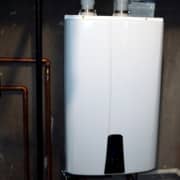
Space-saving Design – A typical tank-style heater takes up a fair amount of space, can’t be installed anywhere that would be destroyed by a water leak, and is unsightly. Tankless heaters can be mounted on a wall and take up considerably less space. This allows for greater flexibility of use in smaller homes, apartments, condos, or anywhere without a basement or storage area. They’re also much less likely to ever leak and create a big water mess in your home. 

Advanced Features – Many tankless models come with features like wifi connectivity and smartphone apps that allow them to be monitored and controlled remotely. Homeowners can adjust their settings, set schedules, and receive maintenance alerts very conveniently. 

Should You Go Tankless?

While tankless water heaters are a great option for many families, you should consider how much water your family uses and discuss your options with your plumber before you decide.  Tankless heaters do require 40 pounds of pressure to work properly, so they are better suited for homes with city water than for ones with well water. They are available in a variety of different sizes to meet different needs, and they have a lower carbon footprint which is attractive to consumers who are environmentally conscious. 

If you are thinking a tankless water heater would work for you, please contact us at Weinkauf Plumbing & Heating. We would be more than happy to find one that would meet your needs and install it for you right away.