Is Your Sump Pump Ready for Spring?

It’s almost spring. After months of winter cold and snow, Michiganders are so ready to see the snow melt and the grass grow again. One side effect of warmer temperatures that many homeowners don’t look forward to is a wet basement, however. If you’re worried that your basement may flood with snowmelt, or you’ve experienced a flooded basement before and don’t want to again, installing a sump pump before spring arrives is a great solution. 

Sometimes spring waltzes in with starts and stops – which allows the snow to melt and be absorbed by the ground gradually – and sometimes it happens all at once. Often in Michigan we see snow melting and significant accumulations of snow at the same time. As a result, large puddles form, roads can experience flooding, and rivers rise. 

If you have a wet basement, especially in spring, you’re not alone. This is a wet state. The ground gets waterlogged, and sometimes there’s no place for water to run off except your basement. This is how you get seeping, puddling, or flooding there. Installing a sump pump will prevent this. It’s your best line of defense against basement flooding. 

How Does a Sump Pump Work?

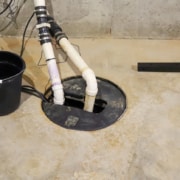
When water saturates the soil around your house, it will often accumulate under your foundation. The sump basin sits under your house. It collects this water, and when there is enough of it in the sump pit, the float switch triggers, and the pump will activate. It pushes the water up through a pipe which discharges it away from your home. When flooding is less of a problem and the water level drops, the float switch disengages. This turns off the pump until the next water event. 

No one wants a flooded basement. It’s dirty, destructive, and expensive to correct. If you have a sump pump and you are concerned about whether it will work right, here are some steps you can take as a homeowner:

Clean Your Sump Pit

Check the condition of your sump pit. If there is dirt, debris, or other material inside the pit, remove it. You can clean dirt or accumulated water out with a wet/dry vacuum in a few minutes. 

Test Your Sump Pump 

Now is the time to test your pump to see if it’s in good working condition. Fill a 5-gallon bucket with water and pour it into the sump pit. If your pump is working, this should activate the float trigger and turn on the pump. Your sump pump should remove this water in a few minutes and turn itself off. If it doesn’t work correctly or turn off when it’s done, call Weinkauf Plumbing & Heating. We will come out and inspect your pump. 

Install a Backup

If your basement gets very wet, you may need a backup. This device can be installed in your sump pit and works off a battery. This means that it will work to pump your basement even if the power goes out. A backup is designed to pump when it’s needed and especially when the water level exceeds the capacity of your regular sump pump. 

The end of winter is the ideal time to test and see if your sump pump is in good working order. If you discover problems or you want to avoid flooding in your basement, a sump pump is your answer. It’s more expensive to install a sump pump when the basement is already flooded because the plumber will have to pump the water out first. Sump pumps will be in great demand soon as well, so act now before the thaw. 

Weinkauf Plumbing & Heating wants to be your choice for plumbing service in Alpena, Michigan. If you need sump pump repair, replacement, or a backup installed, call us. We are here to help. 
 

Case Study: Custom Furnace Installation in Working Garage

Not all heating and cooling needs are the same. Every space is different and can have its own challenges maintaining a comfortable temperature, especially in Northern Michigan. At Weinkauf Plumbing and Heating, we work with our customers to find them the best solutions for their unique heating and cooling problems. Here is a case study of a custom furnace installation that was designed to function with high efficiency and complement its surroundings in an attractive way. 

The Problem:

This garage space had an older, 80%-efficient heater that was no longer working to the satisfaction of the owner. Because this space is used in the wintertime, it needed to be heated and at a high efficiency to lower heating costs. 

Our Solution: 

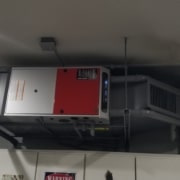
One option we presented was to install a 90%-efficient unit heater. The cost of this unit would have been higher than the owner was hoping to pay, however. Instead, we proposed and were able to install a 96%-efficient, two-stage, variable-speed Napoleon furnace which had a lower price point and will be less expensive for the owner to use. We angled the register 45 degrees to enable the exiting heat to bounce off of the garage door. This directs heat to areas of the garage it would otherwise not be able to reach. Then, once cooled, the air returns to the unit to be heated again. 

custom furnace installation

The garage is a space the owner is proud of, and he wanted the new furnace to look attractive and blend in with the ceiling, so in this case we performed custom sheet metal work to fit the register. 

Our installer hung the furnace from the ceiling, out of the way of anyone walking or working in the space, and painted the PVC pipe and the screws and bolts as well to make it look attractive and complement the space. This is not a typical installation, but Weinkauf works with our customers to meet and exceed their expectations for both comfort and aesthetics. 

The owner is very satisfied with the Napoleon furnace and says it operates very quietly and well. 

If you have a heating or cooling need that is specialized, Weinkauf can provide a custom furnace installation or other solution. Call us today. We will be happy to discuss all of your heating and cooling options with you and find a solution that works for you. 


What Is a Plumbing Emergency?

Working plumbing is such a necessary part of modern life that any plumbing problem can seem like a plumbing emergency. Some problems are less urgent than others, however. In this blog we’ll list issues that are truly emergencies. This way you will be able to tell the difference between what is an unhappy inconvenience and what will cause you more problems if it doesn’t get fixed immediately. 

What Is a Plumbing Emergency?

A Burst Pipe

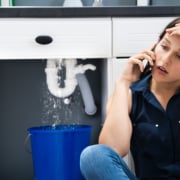
Water can cause a great deal of damage in a short period of time. The more water, the more damage it can cause. A burst pipe can release many gallons of water in a few minutes. If you have a pipe break, it’s an emergency, and you should call your plumber immediately. Find the stop valve for the water at the break and use it if possible. If you cannot isolate the leak, turn the water off at the main water supply. Then mop up any water you can and dry out any carpeting. Mold and mildew will result if you do not properly remove all water, and that’s a health hazard. 

An Overflowing Toilet 

Any clogged pipe or drain paired with running water can result in the same kind of damage that a burst pipe does – except the water will not be clean. You should shut off the water at the valve (located near the back or base of the toilet) to stop the water flow and attempt to plunge the toilet. If you cannot get the blockage cleared and this is a necessary toilet or the only toilet in the house, that’s a plumbing emergency. 

A Broken Water Heater

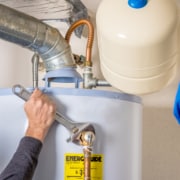
Hot water is necessary for cleaning and washing, so if your hot water heater breaks, it causes real inconvenience, especially in the colder winter months. A noisy hot water heater can also signal that there’s something seriously wrong. If you have a leak in the main tank, it can cause water damage to your home. Depending on the urgency of any of the above situations, it may be time to call out the emergency plumber to drain, repair, or replace your water heater. 

Frozen Pipes

In February of 2021, many southern states and much of the state of Texas experienced a sharp freeze that ultimately resulted in a cost of 18 billion dollars in home damages. The average insurance claim for frozen pipes is more than $25,000, in fact. This is because it involves burst pipes in multiple locations and often the water runs for some time before it’s noticed and addressed. In that time it can cause damage to ceilings, floors, walls, and wiring, all of which are expensive to repair or replace. If you think your pipes have frozen, you will need to turn off the water at the main water supply and call your plumber. 

A Sewer Backup 

The water you use that you flush or drain exits your house via your sewer/wastewater line and from there goes into the municipal sewer system. A sewer backup means that that water or waste cannot leave or comes back up from the clogged line into your home. When this happens, it’s not good. The most common sewer backup situation involves pipes that are clogged with toilet paper, wet wipes, sanitary napkins, hair, or grease. 

If you notice that you have noises or bad smells coming from multiple sources, you may have a sewage issue. You will need to call your plumber immediately before it gets worse and causes damage or creates a biohazard.  

Should You Call an Emergency Plumber?

If you are not sure if you have a plumbing emergency, you can always call and discuss your situation with your plumbing company. In some cases, if it’s only a matter of inconvenience, you may be able to wait and avoid calling in a plumber after normal business hours, reducing your costs. As a rule of thumb, if you have to shut off the water at the main supply, it’s an emergency. Also, if you feel there is something wrong with your water supply, if it looks or smells funny, you should immediately contact a plumber as well. 

At Weinkauf Plumbing & Heating, we have a 24-hour emergency line for service. If you are in the Alpena area and have an urgent plumbing problem, call us. We will diagnose the problem and get your plumbing back in working order for you right away. 


No Hot Water? It Could Be Time for a New Water Heater

It’s never a good time for your hot water supply to fail. If you’ve tried to turn on the hot water in your shower or at your kitchen faucet and gotten only cold, that’s frustrating. You need that water for cleaning, bathing, and doing laundry. In the wintertime, a hot bath or shower can be especially relaxing and comforting. What is the underlying cause of your hot water failure? It could be one of a number of things. We will go through the possibilities in this blog. 

Why Is There No Hot Water? 

A water heater has a number of inputs, electricity, gas, and water, and also mechanical aspects. If something goes wrong with any one of these, your hot water output will be impacted. 

If you have a smaller water heater, you may find that it cannot keep up with your household use, so you’ll run out of hot water frequently. It may also cost more to run because of lower energy efficiency. This is the simplest hot water problem to have because you can either decide you’d like to install a larger hot water heater to better meet your needs, or you can wait for it to heat up more water. Ask your plumber if you’re not sure which size or model of hot water heater would best suit your use pattern. 

Another potentially simple-to-fix malfunction is an electrical issue like a tripped breaker or a high-temperature cut-off switch on your water heater. To determine if it’s a breaker problem, turn off your water heater and then check your circuit breaker to see if a breaker has tripped. You can then turn it off and then on again. If that does not solve the problem or your breaker trips again, you will need to call an electrician for assistance. 

Gas Problems

If your water heater is gas powered, there are several potential problems that involve gas. One of them is a gas leak. If you smell gas in your home for any reason, you need to contact your gas company immediately. Gas leaks are dangerous, especially during the winter when your house is closed up and there is no way for gas to escape outside. 

You may have a leaky supply line or a failing gas valve. If your water heater runs on gas, it will have a pilot light and a burner located at the bottom of the heater behind an access panel. Check that your pilot light is on. If it’s not on, relight it. If it goes out again, you have a problem with your gas line, and you will need to involve a trained technician to examine your heater and determine what is wrong. 

A Malfunctioning Water Heater

There are a number of ways the water heater itself could fail. You may notice that the water temperature swings or is inconsistent. It heats but unpredictably. It could have a bad thermostat, a failing or broken heating element, or sediment buildup. 

The tank could also have a leak. If the water leaks out of the unit, it won’t heat, of course, but it will also make a mess. You may not be able to determine the source of the leak yourself. If your water heater is leaking, turn off the water to your tank, and call your plumber. An experienced technician will be able to inspect the tank, the pipes, connections, and valves, diagnose the problem, and let you know your options for repair or replacement. 

If you are in the Alpena or Oscoda, Michigan areas and experience the problem of no hot water when you turn on your faucet, call us at Weinkauf Plumbing and Heating. Our trained technicians will be able to diagnose your problem quickly and find a solution to get your hot water running again. Contact us at (989) 354-5427 for help. We’re here to make sure you can be safe, warm, and comfortable in your home this winter.