Why Are Wood Stoves So Popular?
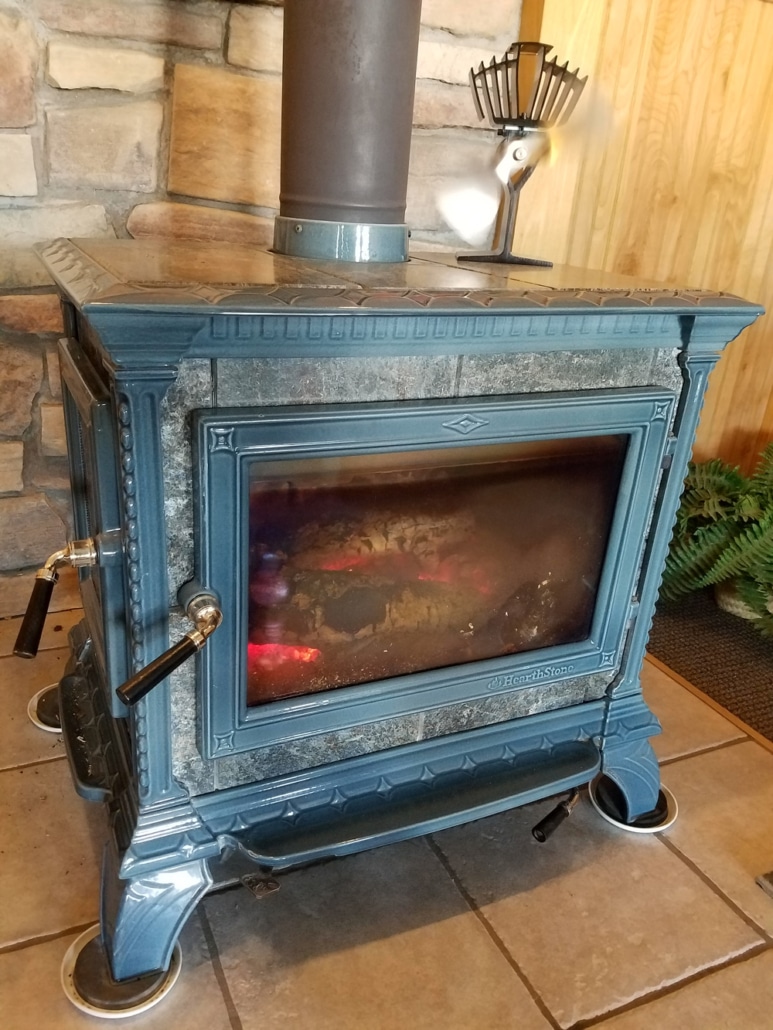
Wood stoves have been a very popular heating option in Northern Michigan for generations, and their popularity continues to grow with Michiganders. Freestanding wood stoves and fireplace inserts provide an efficient, cost-effective, and reliable heat source, making them an especially appealing heating choice during the cold winter months. But what makes them such a popular choice compared to other heating options? Let’s break it down.
6 Practical Reasons for Wood Stoves
Wood stoves are in demand primarily because of their heating efficiency. Freestanding wood stoves generate intense radiant heat, which makes them ideal for warming large spaces. Many wood-stove models are designed to retain and slowly release heat. This means they will keep your home or business warm even after the fire inside has burned out.
If you would like to keep certain areas or zones of your home warmer, instead of running your furnace harder, you might consider installing a wood stove. This way you can add warmth where you need it most, reducing energy waste and lowering your heating costs. Modern EPA-certified wood stoves are more efficient than older models, meaning they burn cleaner and produce more heat with less wood.
Unlike gas or electric heating systems, wood stoves don’t rely on electricity or fuel supply lines, making them an excellent choice for rural areas or for homes prone to power outages. With a freestanding wood stove, you can count on a dependable heat source even if there’s a blizzard or if an ice storm takes out power lines across the county. They offer you plenty of heat and peace of mind as well.
Wood stoves are also cost effective. Firewood is often more affordable than electricity, propane, or natural gas, especially if you have access to free or inexpensive wood. And, unlike oil or gas, the cost of wood tends to remain stable, helping homeowners avoid unpredictable energy costs. Also, a well-maintained wood stove can last not years, but decades, making it a solid long-term investment for a homeowner.
From an environmental standpoint, firewood is a sustainable, locally available fuel source that, when sourced responsibly, is considered carbon-neutral, as trees absorb as much carbon dioxide during their lifetime as they release when burned. Modern wood stoves burn cleaner, producing less smoke and creosote buildup while maximizing heat output.
Unlike traditional fireplaces, freestanding wood stoves can be installed in a variety of locations within the home. They don’t require an existing chimney and can be vented through the roof or a wall, providing more options for placement.
The Wood-Stove Aesthetic
A freestanding wood stove isn’t just a heat source—it creates a warm, inviting atmosphere in a cabin or home because nothing beats the natural, comforting, mesmerizing flames of a wood stove. Wood stoves can be added to workspaces, garages, tiny homes, or off-grid cabins. Just add wood, and you’ve got a warm, welcoming space to live, work, or play.
Is a Freestanding Wood Stove Right for You?
If you’re looking for a reliable, efficient, and cost-effective heating solution that also adds beauty and ambiance to your home, a freestanding wood stove is a great option. While some homeowners choose to install wood stoves themselves, using a professional installation company like Weinkauf Plumbing & Heating ensures that your wood stove will be compliant with all safety codes and guarantees that it will function properly. If you’re unsure about any step of the installation process, it’s best to call someone with experience. We’re here to help.
If you would like help selecting the right wood stove, Weinkauf offers expert guidance, professional installation, and maintenance to ensure you get the most out of your wood heating system. Contact us today at either our Alpena location or our new office in Oscoda, Michigan to get started!