The Most Expensive Appliances in Your Home
Inflation is hitting everyone in the wallet these days. Utility bills can be anxiety provoking especially when you don’t know what to expect. The costs fluctuate from month to month and season to season. If you dread opening your electric bill, this blog is for you. Here we will discuss which appliances and systems in your home use the most energy so you can decide how you want to use your most expensive appliances–or whether you want to replace them with more energy efficient models.
Which Appliances Are Most Expensive to Operate?
#1 Your HVAC System
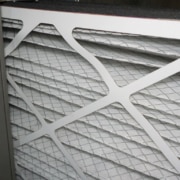
Heating and cooling account for nearly half the energy used in most homes. An electric furnace will use more electricity than a gas one, but a gas furnace that runs inefficiently will still run up your electric bill. Your air conditioner should also be in top condition if you want lower bills during the summer months. At Weinkauf, we recommend changing your air filter regularly. A dirty filter will force your HVAC system to work harder and use more energy.
We also recommend that you have a professional check and maintain your HVAC system at least once a year so that it runs smoothly and efficiently at all times. If your furnace is older than 10 years, you could realize significant energy savings by replacing it with a more energy efficient model.
We can also upgrade your thermostat to a smart thermostat. A smart thermostat will learn your temperature preferences and allow you to reduce HVAC use when you are sleeping or not at home. This will save you significant money over time.
#2 Your Water Heater
An electric water heater can account for up to 15 percent of your home’s total electricity use. Whether gas or electric, a traditional water heater uses energy continuously in order to provide you with hot water when you need it for washing or bathing. Insulating your water heater tank and pipes can reduce heat loss. Or upgrade to a tankless water heater which will supply limitless amounts of hot water when you need it without the energy waste lost during storage.
#3 Your Washer and Dryer
Laundry and dishwashing are daily tasks that require time and energy. They also account for up to 12 percent of your energy use. To conserve resources, save running your washing machine or dishwasher until you have a full load. Also wash more of your clothing on the cold cycle.
#4 Your Home’s Lighting
In Michigan we can’t rely on only solar energy for light or heating, but using natural light whenever possible will help lower your lighting costs. Turn off lights when you are no longer using them, and nag your kids to do the same. It’s also good to replace your traditional incandescent light bulbs with LED bulbs. These are more energy efficient and last longer.
#5 Your Stove and Refrigerator
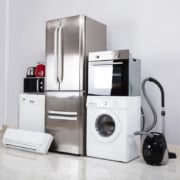
Newer appliances are more energy efficient than older models, particularly ENERGY STAR products, but if you’re not ready or able to replace your stove or refrigerator, keep them cleaned and maintained so they can operate as well and effectively as possible.
Most of the other personal appliances or devices in your home are not as energy intensive. While it’s always good to turn off televisions or computers when you are not using them, they simply do not take as much energy to run as air conditioners or water heaters. If you see your utility bills rising, you should focus on which of your larger appliances are no longer in top condition and maintenance or upgrade them. By identifying the most expensive appliances in your home, you can reduce your energy consumption and your bills.
There are ways to reduce that number and save money every month. If you have questions about your HVAC system and its efficiency, please contact us at Weinkauf Plumbing & Heating. We would be happy to discuss your options with you and make recommendations for repairing or replacing your furnace, your A/C, or your water heater.