
How to Protect Your Home from Poor Summer Air Quality

This summer has been a reminder that air pollution doesn’t always come from nearby sources. Smoke from Canadian wildfires has drifted hundreds of miles into Northern Michigan, creating hazy skies and leading to repeated air quality alerts throughout Alpena, Oscoda, and surrounding communities. The outside air quality has been measured as poor, dangerous, or hazardous to breathe for many days. How does that affect the air inside your home? Is that unsafe to breathe too? 

Even when the smoke isn’t obvious, tiny airborne particles can make their way into your home. For people with asthma, allergies, heart conditions, or other respiratory issues, poor air quality can make spending time indoors uncomfortable if your HVAC system isn’t helping protect you.

Fortunately, there are several ways your home’s heating and cooling system can improve indoor air quality during periods of wildfire smoke and poor outdoor air quality.

Why Wildfire Smoke Is a Concern

Wildfire smoke contains microscopic particles known as PM2.5, along with gases, VOCs, and other organic compounds. These tiny particles are small enough to travel deep into your lungs and can contribute to:

Even perfectly healthy people may notice symptoms after spending time outdoors when air quality levels are poor.

Your HVAC System Can Help Protect You from Poor Summer Air

Many homeowners assume their air conditioner simply cools the house. In reality, your HVAC system also circulates and filters the air throughout your home. During periods of poor outdoor air quality, that becomes one of its most important jobs. A properly maintained HVAC system can help reduce the amount of airborne particles circulating indoors. Here’s how to optimize its effectiveness. 

Start With a Clean Air Filter

Your furnace or air conditioner filter is your home’s first line of defense against airborne dust and debris. During periods of wildfire smoke, filters may become dirty much faster than normal.

If you haven’t checked your filter recently, now is a good time to do so. You will probably need to change it. A clean, properly sized filter helps your HVAC system capture more airborne particles, maintain better airflow, operate more efficiently, and improve overall indoor comfort. If your filter is clogged, your HVAC system has to work harder while filtering less effectively.

Consider Upgrading Your Air Filtration

Not all HVAC filters remove the same amount of airborne particles. If your family has respiratory concerns or you’re dealing with prolonged periods of poor air quality, upgrading to a higher-efficiency filter may provide better protection. 

Depending on your system, whole-home air cleaners or enhanced filtration systems may also be an option. Weinkauf’s professional HVAC technicians can recommend filtration that improves indoor air quality without restricting airflow or reducing HVAC performance.

Keep Smoke Outside

When air quality alerts are issued, it’s best to keep windows and exterior doors closed as much as possible. Running your air conditioner can actually help maintain indoor comfort while limiting the amount of smoky outdoor air entering the home.

It’s also helpful to avoid activities that generate additional indoor pollutants, such as:

  • Burning candles
  • Using wood-burning fireplaces
  • Smoking indoors
  • Vacuuming without a HEPA filter

Don’t Forget About Ventilation

Ventilation is still important for maintaining healthy indoor air, but during periods of heavy smoke, it should be managed carefully. Homes equipped with whole-home ventilation systems, such as Heat Recovery Ventilators (HRVs), may benefit from adjusting settings based on current outdoor air quality conditions. Weinkauf HVAC professionals can make sure your ventilation system is operating properly and discuss filtration options that fit your home’s needs.

HVAC Maintenance Makes a Difference

A neglected HVAC system cannot do its best job filtering the air in your home. With regular maintenance you can count on your system to operate efficiently, keep air moving properly, and filter more effectively. If it has been a while since your last HVAC inspection, summer is an excellent time to have your system checked before another heating season arrives.

Breathe Easier This Summer

Poor summer air quality has negative effects for all of us in Northern Michigan. The wildfires and elevated ozone levels are outside of our control, but optimizing the quality of the air inside your home doesn’t have to be. Whether you need a seasonal HVAC tune-up, better filtration, or advice on improving indoor air quality, Weinkauf Plumbing & Heating can help you breathe a little easier during wildfire season and beyond.

Contact us today to learn more about indoor air quality solutions for your home.

FAQs about Wildfire Smoke and Poor Air Quality

Can my HVAC system filter wildfire smoke?

A properly maintained HVAC system with the appropriate filter can help reduce airborne smoke particles indoors. The effectiveness depends on the type of filter installed and the condition of the system.

Should I change my air filter more often during wildfire season?

Yes. Smoke and fine particles can cause HVAC filters to become dirty more quickly than usual. Check your filter regularly during extended periods of poor air quality.

Is it okay to run my air conditioner during days with poor air quality?

Yes. Running your air conditioner while keeping windows and doors closed can help maintain indoor comfort and reduce the amount of smoky outdoor air entering your home.
Summer Plumbing Problems? Helpful Repair and Prevention Tips

For Michiganders summer means backyard barbecues, beach days, and trips up to the cottage, but it can also bring unique plumbing problems for home and business owners. Knowing how to prevent or fix summer plumbing problems can save you time, money, and headaches, so let’s talk about what those challenges are and how to address them. 

But Summer’s the Best Time of the Year?

Yes, summer is wonderful, it really is, but longer days and rising temperatures may put your plumbing through a real workout. The season puts unique demands on pipes and fixtures. Your kids take more showers to cool off, your lawn needs to be watered all the time, and you may have a pool to fill. On top of that, having extra guests or family over means your toilets, sinks, and washing machines are used more than ever. And let’s not forget sudden summer storms, which can strain outdoor drainage systems and even lead to messy backups.

Here’s your guide to common summer plumbing problems and how to prevent them.

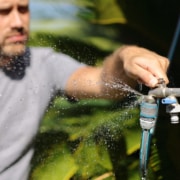
1. Leaky Outdoor Faucets and Sprinklers

Summer is prime time for watering lawns, filling pools, and washing cars. But if your outdoor faucets or sprinklers leak, you’re wasting water and potentially damaging your home’s foundation. What should you do to prevent that? 

  • Check all hose bibs and spigots for drips at the start of the season.
  • Replace worn washers or upgrade to frost-free hose bibs if you have older fixtures.
  • Inspect garden hoses for cracks or bulges before heavy summer use.

2. Clogged Garbage Disposals

Summer also means cookouts, corn on the cob, and fresh produce, and all that extra food can wreak havoc on your garbage disposal. Fibrous vegetables, fruit pits, and grease can lead to blockages or damage. Grease and coffee grounds are also notorious for building up and causing clogs. Your garbage disposal is handy, but it’s not a trash can. Treating it with basic TLC can save you a lot of hassle in the long run.

To prevent clogs and backups: 

  • Avoid putting tough items like corn husks, melon rinds, and bones in the disposal.
  • Run cold water for 20 to 30 seconds after every use.
  • Toss ice cubes and lemon peels into the disposal once a week to help clean and deodorize it.

3. Washing Machine Overload

With kids home from school, beach towels piling up, and extra laundry from outdoor activities, your washing machine works overtime in summer. Hoses and drains can leak or clog if they’re not in good shape. Most people don’t think about washing machines as plumbing, but they process a large amount of water that can wind up on your floors if something goes wrong, so: 

  • Inspect washer hoses for cracks or bulges and replace them every 3 to 5 years.
  • Make sure the machine is level to prevent strain on hoses and the drum.
  • Don’t overload the washer. Multiple smaller loads are easier on your plumbing.

4. Sump Pump Failures

Your sump pump is the first line of defense against basement or crawl space flooding, so you want to make sure yours is ready for the next challenge. Flooding is no joke – water can do a remarkable amount of damage in just minutes. 

Test out your sump pump by pouring a bucket of water into the sump pit. The pump should turn on, clear the water, and then shut off. If it doesn’t kick on, or if it sounds strange, clean the pit, checking for debris that might be blocking the float switch. If that doesn’t work, call us at Weinkauf, and we will come and check it out for you. You can also add a battery backup to keep the pump running if your power goes out, especially if you live in a place that’s prone to water. 

5. Sewer Backups After Heavy Rain

Summer often brings dramatic weather changes, including thunderstorms and heavy downpours, and Alpena and Oscoda get their fair share of them. Heavy rain combined with clogged gutters can result in sump pump overwhelm and basement flooding. Municipal sewer lines and saturated drain fields can cause messy sewer backups in your home.

To protect yourself: 

  • Have your main sewer line inspected or snaked if you’ve had issues in the past.
  • Install a backwater valve to help prevent sewage from backing into your basement.
  • Avoid pouring fats, oils, or grease down the drain. They can make clogs worse during heavy rain.

Avoid Summer Plumbing Problems with Inspections and Maintenance

Some of the worst plumbing problems are the ones hiding out of sight. Tree roots can sneak into sewer lines, and corrosion can quietly eat away at pipes, all without you knowing. A professional inspection, especially of your sewer line, can uncover these hidden dangers. Plumbers use camera technology to look inside your pipes and spot potential trouble before it becomes a full-blown backup or blockage. Think of it like giving your plumbing an X-ray. While a sewer camera inspection might feel like an extra cost, it’s far less expensive than cleaning up a sewage backup or repairing a burst pipe later. 

Scheduling preventive services, like drain cleaning when you notice slow drains, can also save you major headaches. Combine that with simple habits like using mesh strainers and keeping grease or coffee grounds out of your sink, and you’ll avoid the flooding and emergency repairs that often hit in the summer.

When to Call Weinkauf Plumbing & Heating

Even with the best prevention, plumbing issues can happen. If you run into:

It’s time to call us.

We have been helping Northern Michigan homeowners and business owners keep their plumbing running smoothly for decades—now with even more reach! With the opening of our new Oscoda, MI location, we’re bringing expert inspections, repairs, and maintenance even closer to you, helping prevent costly emergencies before they happen. Whether you’re in Alpena or Oscoda, we’re here to help. Save our numbers: (989) 354-5427 for Alpena, and (989) 569-1900 for Oscoda. That way, the next time your pipes or HVAC system act up, all you’ll need to remember is the name that’s been trusted for generations: Weinkauf Plumbing & Heating.